(3-Bromophenyl)(phenyl)methanone is a chemical compound widely used as a foundational building block in the synthesis of complex organic molecules. This compound serves as a key intermediate in various chemical reactions, particularly in the development of heterocyclic compounds, pharmaceuticals, and industrial chemicals. Its molecular structure consists of a bromophenyl group and a phenyl group connected via a carbon chain, making it highly versatile for chemical modifications. In laboratory settings, it plays a crucial role in enabling the creation of more complex structures through functional group transformations and bond formations.
The compound is valued for its reactivity and compatibility with a wide range of chemical reagents. Its ability to participate in nucleophilic and substitution reactions makes it an ideal candidate for synthetic pathways requiring high reactivity. However, it is also sensitive to moisture and air exposure, which necessitates careful handling and storage. These properties make it suitable for applications where controlled reaction conditions are essential. Its chemical stability under specific conditions further enhances its utility in laboratory environments.
In Indonesian laboratories, (3-Bromophenyl)(phenyl)methanone is commonly used in organic chemistry research, particularly in pharmaceutical and synthetic chemistry applications. Its role in the development of new drug compounds and complex chemical structures makes it a valuable resource for academic and industrial research institutions. The compound's structural versatility supports its use in a variety of experimental setups, contributing to the advancement of chemical science in the region.
Related TCI products
- TCI D5621 25032-74-0 Bis(3-bromophenyl)methanone
- TCI B6224 136039-69-5 1,3-Phenylenebis[(4-bromophenyl)methanone]
- TCI T4297 954-16-5 Mesityl(phenyl)methanone
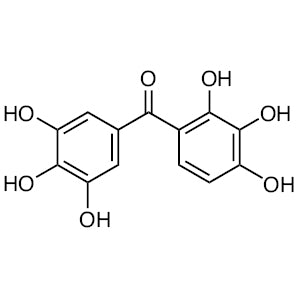
- TCI H1783 52479-85-3 (2,3,4-Trihydroxyphenyl)(3,4,5-trihydroxyphenyl)methanone
- TCI E1619 2549-90-8 [4-[(2-Ethylhexyl)oxy]-2-hydroxyphenyl](phenyl)methanone
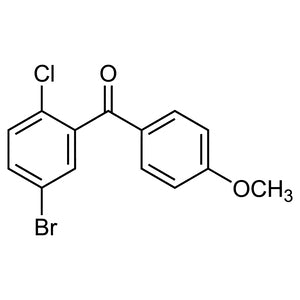
- TCI B6858 333361-49-2 (5-Bromo-2-chlorophenyl)(4-methoxyphenyl)methanone
- Organic synthesis is a primary application where this compound is used to build complex molecular frameworks through various reaction mechanisms.
- Pharmaceutical research benefits from its role in the development of new drug compounds, as it can be modified to create bioactive molecules.
- Industrial chemical production utilizes this compound as a precursor for the synthesis of specialty chemicals and polymers.
- Academic research in chemistry often incorporates this material for teaching and experimental purposes due to its reactivity and structural complexity.
- Heterocyclic compound synthesis relies on this compound as a key intermediate in the formation of ring structures essential for pharmaceutical and material science applications.
| Brand | TCI |
|---|---|
| CAS number | 1016-77-9 |
| Molecular formula | — |
| Purity | — |
| Category | Chemistry > Building Blocks > Non-Heterocyclic Building Blocks |
| Pack sizes | Available in various quantities as per supplier specifications |
| Physical form | Solid, typically in crystalline or powder form |
| Storage | Requires storage in a dry, cool, and well-ventilated area away from moisture and air exposure |
This compound should be stored in a dry, cool, and well-ventilated area to prevent moisture absorption and degradation. It is recommended to use airtight containers made of materials such as glass or high-density polyethylene to minimize exposure to air and humidity. Due to its sensitivity to moisture and air, it should be handled in a controlled environment with proper ventilation. Laboratory personnel should wear appropriate personal protective equipment, including gloves and safety goggles, when working with this compound. Storage conditions should be monitored regularly to ensure stability and maintain the compound's reactivity for experimental use.
—
Produk Terkait
-
Bis(3-bromophenyl)methanone TCI D5621
Regular price Rp 6.095.250,00Regular priceRp 4.277.700,00Sale price Rp 6.095.250,00 -
1,3-Phenylenebis[(4-bromophenyl)methanone] TCI B6224
Regular price Rp 5.034.750,00Regular priceRp 3.536.400,00Sale price Rp 5.034.750,00 -
Mesityl(phenyl)methanone TCI T4297
Regular price From Rp 955.500,00Regular priceRp 667.800,00Sale price From Rp 955.500,00 -
(2,3,4-Trihydroxyphenyl)(3,4,5-trihydroxyphenyl)methanone TCI H1783
Regular price From Rp 3.285.450,00Regular priceRp 2.313.150,00Sale price From Rp 3.285.450,00 -
[4-[(2-Ethylhexyl)oxy]-2-hydroxyphenyl](phenyl)methanone TCI E1619
Regular price From Rp 1.961.400,00Regular priceRp 1.387.050,00Sale price From Rp 1.961.400,00 -
(5-Bromo-2-chlorophenyl)(4-methoxyphenyl)methanone TCI B6858
Regular price Rp 5.485.200,00Regular priceRp 3.851.400,00Sale price Rp 5.485.200,00 -
3-(4-Bromophenyl)propiolicAcid TCI B5243
Regular price Rp 3.207.750,00Regular priceRp 2.258.550,00Sale price Rp 3.207.750,00 -
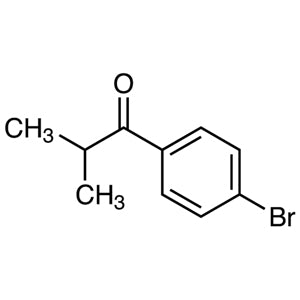
1-(4-Bromophenyl)-2-methyl-1-propanone TCI B5232
Regular price Rp 2.147.250,00Regular priceRp 1.517.250,00Sale price Rp 2.147.250,00


![TCI E1619 2549-90-8 [4-[(2-Ethylhexyl)oxy]-2-hydroxyphenyl](phenyl)methanone](http://amiscientific.com/cdn/shop/files/TCI2510E1619_1f5b77d2-cbe0-48e2-a57f-1f00b93c9a42.jpg?v=1792641994&width=533)
![[4-[(2-Ethylhexyl)oxy]-2-hydroxyphenyl](phenyl)methanone (CAS 2549-90-8) - TCI E1619 - AMI Scientific](http://amiscientific.com/cdn/shop/files/TCI2510E1619.jpg?v=1767113127&width=533)