(S)-2-(Pyrrolidin-2-yl)acetic Acid Hydrochloride is a chiral compound widely used in asymmetric synthesis to construct molecules with specific biological activities. This material plays a crucial role in laboratories where researchers aim to develop pharmaceuticals and other chemical compounds with precise stereochemical properties. Its chiral nature allows for the formation of enantiomers, which is essential in the synthesis of drugs that require strict stereochemical control. In the field of organic chemistry, this compound is a key building block for creating complex molecular structures with desired pharmacological effects.
The compound is preferred due to its chemical stability and ability to react with various functional groups, making it versatile in a range of synthetic reactions. It exhibits good solubility in organic solvents, which simplifies purification and isolation processes in the laboratory. These properties make it a reliable and efficient reagent for chemists working on chiral molecule synthesis. Its compatibility with multiple reaction conditions further enhances its utility in both academic and industrial research settings.
In Indonesian laboratories, this compound is commonly used in pharmaceutical and organic chemistry research. Researchers rely on it to develop new compounds with therapeutic potential, especially in drug discovery and development. Its application in applied research underscores its importance in advancing scientific knowledge and innovation in the region.
TCI brochures (PDF)
- Chiral Building Blocks 2025-04-14 · p. 3
Related TCI products
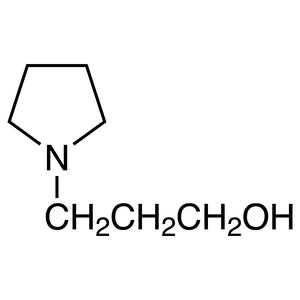
- TCI P3054 19748-66-4 3-(Pyrrolidin-1-yl)propan-1-ol
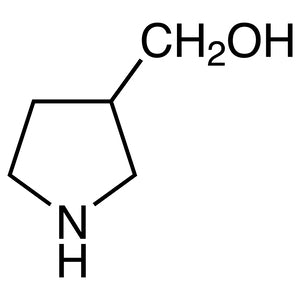
- TCI P2000 5082-74-6 Pyrrolidin-3-ylmethanol
- TCI D4318 55921-65-8 2,6-Diamino-4-(pyrrolidin-1-yl)pyrimidine 1-Oxide
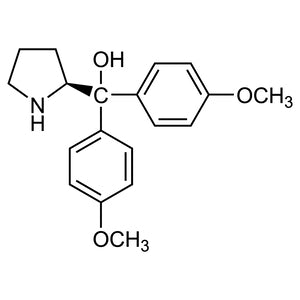
- TCI B6927 131180-57-9 (S)-Bis(4-methoxyphenyl)(pyrrolidin-2-yl)methanol
- TCI T2941 652-37-9 Theophylline-7-acetic Acid
- TCI T2737 21743-75-9 1H-Tetrazole-5-acetic Acid
- Asymmetric Synthesis: This compound is ideal for creating chiral molecules with specific stereochemistry, essential in drug development.
- Pharmaceutical Research: It is used to synthesize compounds with targeted biological activities, supporting the development of new therapeutics.
- Organic Chemistry Studies: Its reactivity and solubility make it a valuable tool for constructing complex molecular structures in synthetic pathways.
- Biochemical Applications: It supports the synthesis of compounds that interact with biological targets, aiding in understanding molecular mechanisms.
- Applied Research: Widely used in Indonesian labs for developing novel compounds with potential therapeutic applications in medicine.
| Brand | TCI |
|---|---|
| CAS number | 53912-85-9 |
| Molecular formula | — |
| Purity | — |
| Category | Chemistry > Asymmetric Synthesis > Chiral Building Blocks |
| Pack sizes | Available in various quantities as per supplier specifications |
| Physical form | Solid (as per standard chemical properties) |
| Storage | Store in a cool, dry place away from moisture and light |
This compound should be stored in a cool, dry environment, away from moisture and direct light to maintain its chemical integrity. It is recommended to use airtight containers to prevent exposure to humidity, which could affect its stability. In laboratory settings, it should be handled with appropriate personal protective equipment to ensure safety. Due to its chemical nature, it should be stored separately from incompatible substances to avoid any potential reactions. Proper labeling and storage conditions are essential to ensure its effectiveness and safety during use.
—
Product Categories
- Asymmetric SynthesisChiral Building BlocksChiral Heterocyclic Building Blocks
- Building BlocksChiral Building BlocksChiral Heterocyclic Building Blocks
- Building BlocksHeterocyclic Building BlocksNon-Halogenated Heterocyclic Building Blocks
- Chemical BiologyPeptide ChemistryUnnatural Amino Acid Derivatives
- Pharmaceutical Development and Drug Discovery Research ReagentsPeptide ChemistryUnnatural Amino Acid Derivatives
Produk Terkait
-
3-(Pyrrolidin-1-yl)propan-1-ol TCI P3054
Regular price From Rp 1.060.500,00Regular price -
Pyrrolidin-3-ylmethanol TCI P2000
Regular price From Rp 1.326.150,00Regular price -
2,6-Diamino-4-(pyrrolidin-1-yl)pyrimidine1-Oxide TCI D4318
Regular price From Rp 1.246.350,00Regular price -
(S)-Bis(4-methoxyphenyl)(pyrrolidin-2-yl)methanol TCI B6927
Regular price Rp 9.406.950,00Regular price -
Theophylline-7-aceticAcid TCI T2941
Regular price Rp 1.035.300,00Regular price -
1H-Tetrazole-5-aceticAcid TCI T2737
Regular price From Rp 5.619.600,00Regular price -
1,2-Benzisoxazole-3-aceticAcid TCI B2912
Regular price Rp 2.782.500,00Regular price -
(2-Benzothiazolylthio)aceticAcid TCI B1941
Regular price From Rp 1.008.000,00Regular price