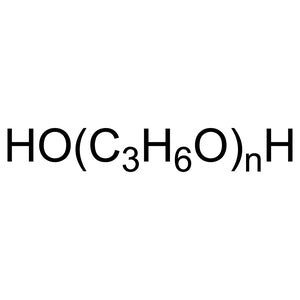
TCI P3179 1333317-99-9 PTAA is a chemical compound widely used in the development of perovskite solar cells (PSCs). It serves as a key component in the active layer of these solar cells, where it plays a crucial role in light absorption and the generation of electrical current. In laboratory settings, PTAA is essential for enhancing the optical and electronic properties of perovskite materials, contributing to improved efficiency and stability of the resulting solar cells. Its presence allows researchers to achieve more consistent and reliable results in their experiments.
The chemical properties of PTAA make it a preferred choice for use in advanced material research. It exhibits chemical stability and controlled reactivity, which are vital for maintaining the integrity of the perovskite structure during synthesis and characterization processes. These characteristics ensure that PTAA can be reliably used in a variety of experimental conditions without compromising the quality of the final product. Its ability to interact effectively with different active layers also makes it a versatile material in the development of next-generation photovoltaic technologies.
In Indonesian laboratories, PTAA is extensively used in renewable energy and electronic materials research. It is a critical component in the pursuit of green technology and material innovation. Researchers rely on PTAA to develop more efficient and environmentally friendly solar cells, aligning with global efforts to promote sustainable energy solutions. Its application is central to the advancement of perovskite-based photovoltaic systems in the region.
Advantages (TCI brochure)
- Usable as a hole transport material for perovskite solar cells, perovskite LED, organic transistors, etc.
- Suitable for various solution processes
TCI brochures (PDF)
- Polymer Hole Transport Material PTAA 2024-04-05 · p. 1
- Zinc Compound to Enhance the Efficiency of Perovskite Solar Cells (C6F5)2Zn 2025-08-25 · p. 1
- Solar Cell Materials 2026-04-21 · p. 9
Related TCI products
- TCI P2513 110134-47-9 Poly(3-hexylthiophene-2,5-diyl) (regioregular) [for organic electronics]
- TCI A0140 9003-05-8 Acrylamide Polymer (containing small amounts of formalin as fungicide) (10% in Water)
- TCI U0135 ULTROXA(regR) Poly(2-methyl-2-oxazoline) Amine Terminated (n=approx. 50)
- TCI U0134 1262975-46-1 ULTROXA(regR) Poly(2-methyl-2-oxazoline) Azide Terminated (n=approx 50)
- TCI U0132 1431850-88-2 ULTROXA(regR) Poly(2-ethyl-2-oxazoline) Azide Terminated (n=approx 50)
- TCI T4350 39423-51-3 Trimethylolpropane Poly(oxypropylene)triamine (Mw = ca 440)
- Perovskite Solar Cell Fabrication: PTAA is used to enhance the performance of perovskite layers by improving charge transport and light absorption properties.
- Material Characterization Studies: Its stable chemical properties allow for accurate analysis and testing of perovskite materials under various experimental conditions.
- Thin Film Deposition Processes: PTAA contributes to the formation of uniform and high-quality thin films, which are essential for efficient solar cell operation.
- Optical Property Testing: The material’s optical characteristics make it suitable for experiments involving light absorption and emission analysis.
- Stability and Durability Research: PTAA helps in evaluating the long-term stability and environmental resistance of perovskite-based devices.
From the TCI brochure
- Hole transport material for perovskite solar cells
- Hole transport material for perovskite LED
- Hole transport material for organic transistors
| Brand | TCI |
|---|---|
| CAS number | 1333317-99-9 |
| Molecular formula | — |
| Purity | — |
| Category | Materials Science > Electronic Materials > Perovskite Solar Cell (PSC) Materials |
| Pack sizes | Available in standard laboratory quantities |
| Physical form | Solid (exact form may vary based on supplier) |
| Storage | Store in a cool, dry place away from direct sunlight |
Data from the TCI brochure
| HOMO | -5.0 eV (by Ultraviolet photoemission spectroscopy) |
|---|---|
| LUMO | -2.1 eV (by Ultraviolet photoemission spectroscopy) |
Source: TCI brochure FF171 (2024-04-05)
PTAA should be stored in a cool, dry environment to maintain its chemical stability and prevent degradation. It is recommended to use airtight containers to minimize exposure to moisture and air, which can affect its performance. In laboratory settings, proper ventilation should be ensured when handling the material to avoid inhalation of any vapors. Personal protective equipment, such as gloves and safety goggles, should be worn during handling to ensure safety. PTAA is generally non-hazardous under normal conditions, but it is important to follow standard laboratory safety protocols to prevent any potential risks. Proper storage and handling practices help ensure the material remains effective and safe for use in research applications.
—
Product Categories
- Electronic MaterialsPerovskite Solar Cell (PSC) MaterialsCarrier Transport Materials [Perovskite Solar Cell (PSC) Materials]
- Polymer/Macromolecule ReagentsPolymersSynthetic Polymers
- Biomaterials/Biocompatible Materials Research ReagentsPolymers [Biomaterials/Biocompatible Materials Research Reagents]Synthetic Polymers
Produk Terkait
-
Poly(3-hexylthiophene-2,5-diyl)(regioregular)[fororganicelectronics] TCI P2513
Regular price From Rp 4.056.150,00Regular priceRp 2.836.050,00Sale price From Rp 4.056.150,00 -
AcrylamidePolymer(containingsmallamountsofformalinasfungicide)(10%inWater) TCI A0140
Regular price Rp 3.075.450,00Regular priceRp 2.150.400,00Sale price Rp 3.075.450,00 -
ULTROXA(regR)Poly(2-methyl-2-oxazoline)AmineTerminated(n=approx.50) TCI U0135
Regular price Rp 4.797.450,00Regular priceRp 3.354.750,00Sale price Rp 4.797.450,00 -
ULTROXA(regR)Poly(2-methyl-2-oxazoline)AzideTerminated(n=approx50) TCI U0134
Regular price From Rp 2.625.000,00Regular priceRp 1.835.400,00Sale price From Rp 2.625.000,00 -
ULTROXA(regR)Poly(2-ethyl-2-oxazoline)AzideTerminated(n=approx50) TCI U0132
Regular price Rp 7.924.350,00Regular priceRp 1.717.800,00Sale price Rp 7.924.350,00 -
TrimethylolpropanePoly(oxypropylene)triamine(Mw=ca440) TCI T4350
Regular price From Rp 1.510.950,00Regular priceRp 1.072.050,00Sale price From Rp 1.510.950,00 -
4-AminobenzaldehydePolymer TCI A0260
Regular price Rp 1.618.050,00Regular priceRp 1.146.600,00Sale price Rp 1.618.050,00 -
Poly(propyleneglycol)4000 TCI P3279
Regular price From Rp 557.550,00Regular priceRp 405.300,00Sale price From Rp 557.550,00