![[2-(3,6-Diphenyl-9H-carbazol-9-yl)ethyl]phosphonic Acid - AMI Scientific](http://amiscientific.com/cdn/shop/files/TCI2510P3241.jpg?v=1769057606&width=1946)
![[2-(3,6-Diphenyl-9H-carbazol-9-yl)ethyl]phosphonic Acid - AMI Scientific](http://amiscientific.com/cdn/shop/files/TCI2510P3241.jpg?v=1769057606&width=1445)
[2-(3,6-Diphenyl-9H-carbazol-9-yl)ethyl]phosphonic Acid is a specialized chemical compound widely used in electronic materials research, particularly in the development of perovskite solar cells. This compound plays a crucial role in the fabrication of active layers within perovskite solar cell structures, contributing to enhanced device performance and long-term stability. Its molecular structure enables strong interactions with other materials, making it an essential component in the design of high-efficiency photovoltaic systems. In laboratory settings, it is a key reagent for synthesizing and characterizing materials with unique optical and conductive properties.
The compound’s chemical stability and compatibility with various substrates make it a preferred choice for researchers working on advanced electronic materials. Its ability to regulate electron distribution within the active layer significantly improves the energy conversion efficiency of perovskite solar cells. Additionally, its molecular architecture allows for fine-tuning of electronic properties, which is vital for optimizing device performance. These characteristics make it a versatile and reliable material for both fundamental research and applied development in the field of renewable energy technologies.
In Indonesian laboratories, this compound is commonly used by researchers at academic institutions and research centers focused on renewable energy solutions. Its application in perovskite solar cell research aligns with national efforts to develop sustainable energy technologies. As the demand for clean energy grows, this compound remains a critical tool in advancing photovoltaic technology and reducing reliance on fossil fuels.
TCI brochures (PDF)
- SAM Forming Agent Enabling a Superwetting Layer for Uniform Perovskite Formation: MPA-CPA 2026-07-07 · p. 2
- Carbazoles 2025-06-27 · p. 4
- Solar Cell Materials 2026-04-21 · p. 8
Related TCI products
- TCI D5757 1373934-14-5 N,2-Diphenyl[60]fulleropyrrolidine (contains 5% Hexane at maximum)
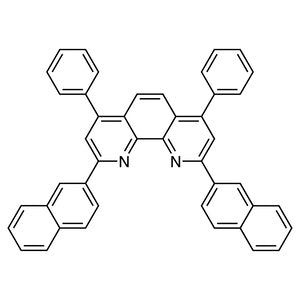
- TCI D5581 1174006-43-9 2,9-Di(naphthalen-2-yl)-4,7-diphenyl-1,10-phenanthroline
- TCI D3236 65181-78-4 N,N'-Diphenyl-N,N'-di(m-tolyl)benzidine (purified by sublimation)
- TCI D2448 65181-78-4 N,N'-Diphenyl-N,N'-di(m-tolyl)benzidine
- TCI D5567 894791-43-6 N,9-Diphenyl-9H-carbazol-3-amine
- TCI T4152 3456-99-3 2,3,4,9-Tetrahydro-1H-carbazol-1-one
- Perovskite Solar Cell Fabrication: This compound is essential for creating the active layer in perovskite solar cells, enhancing light absorption and charge transport properties.
- Material Synthesis and Characterization: It is widely used in the synthesis of novel electronic materials, enabling detailed analysis of their optical and electrical behavior.
- Electronic Device Optimization: Its role in regulating electron distribution makes it ideal for improving the efficiency of photovoltaic devices.
- Renewable Energy Research: It supports the development of sustainable energy technologies, aligning with global efforts to reduce carbon emissions.
- Thin-Film Deposition Studies: It is frequently employed in studies involving thin-film deposition techniques for photovoltaic applications.
| Brand | TCI |
|---|---|
| CAS number | 1388141-58-7 |
| Molecular formula | — |
| Purity | — |
| Category | Materials Science > Electronic Materials > Perovskite Solar Cell (PSC) Materials |
| Pack sizes | Available in various quantities suitable for both small-scale and large-scale laboratory use |
| Physical form | Solid powder |
| Storage | Store in a cool, dry place away from moisture and direct sunlight |
This compound should be stored in a cool, dry environment to maintain its chemical stability and prevent degradation. It is recommended to use airtight containers to protect it from moisture and air exposure. Due to its chemical nature, it should be handled with appropriate personal protective equipment, such as gloves and safety goggles, to ensure laboratory safety. Avoid direct contact with skin and inhalation of vapors. Keep it away from incompatible materials and ensure proper ventilation in the workspace. Regular monitoring of storage conditions is advised to maintain the integrity of the compound for research applications.
—
Produk Terkait
-
N,2-Diphenyl[60]fulleropyrrolidine(contains5%Hexaneatmaximum) TCI D5757
Regular price Rp 10.149.300,00Regular price -
2,9-Di(naphthalen-2-yl)-4,7-diphenyl-1,10-phenanthroline TCI D5581
Regular price From Rp 3.155.250,00Regular price -
N,N'-Diphenyl-N,N'-di(m-tolyl)benzidine(purifiedbysublimation) TCI D3236
Regular price From Rp 2.254.350,00Regular price -
N,N'-Diphenyl-N,N'-di(m-tolyl)benzidine TCI D2448
Regular price From Rp 1.115.100,00Regular price -
N,9-Diphenyl-9H-carbazol-3-amine TCI D5567
Regular price From Rp 2.359.350,00Regular price -
2,3,4,9-Tetrahydro-1H-carbazol-1-one TCI T4152
Regular price Rp 8.560.650,00Regular price -
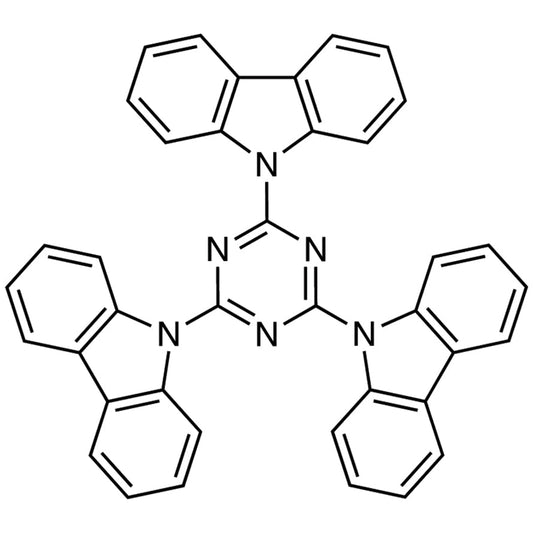
2,4,6-Tri(9H-carbazol-9-yl)-1,3,5-triazine(purifiedbysublimation) TCI T2700
Regular price Rp 4.188.450,00Regular price -
1,3,5-Tri(9H-carbazol-9-yl)benzene(purifiedbysublimation) TCI T1934
Regular price Rp 5.009.550,00Regular price
![N,2-Diphenyl[60]fulleropyrrolidine (contains 5% Hexane at maximum) (CAS 1373934-14-5) - TCI D5757 - AMI Scientific](http://amiscientific.com/cdn/shop/files/TCI2510D5757.jpg?v=1769180711&width=533)