Triallyl Phosphite (TCI P3270), with CAS number 102-84-1, is a chemical compound widely used in scientific and industrial applications, particularly in the field of materials science. This compound is a key component in battery research, where it serves as an additive to enhance the performance and stability of electrode materials. Its unique chemical structure, consisting of three allyl groups attached to a phosphorus atom, makes it highly effective in improving the efficiency of charge and discharge processes in batteries. Due to its chemical stability and compatibility with various materials, it is a reliable choice for laboratory use.
The chemical properties of Triallyl Phosphite make it a preferred choice in laboratory settings. It exhibits high thermal stability and is resistant to degradation under normal conditions, which ensures consistent performance during experiments. Additionally, its non-toxic nature and low reactivity contribute to a safer working environment. These characteristics allow it to be used in a variety of applications without compromising the integrity of the research or the safety of the laboratory personnel. Its high boiling and melting points further enhance its usability in controlled environments.
In Indonesian laboratories, Triallyl Phosphite is commonly used in battery development and material science research. It is a critical component in the formulation of advanced battery materials, especially in the production of lithium-ion and other types of rechargeable batteries. Its role in improving the efficiency and longevity of battery systems makes it a valuable resource for researchers and manufacturers in the region. Its availability through trusted suppliers like AMI Scientific ensures that it meets the high standards required for scientific experimentation.
Related TCI products
- TCI P0264 1623-19-4 Triallyl Phosphate
- TCI T3991 370-69-4 Tris(2,2,2-trifluoroethyl) Phosphite
- TCI T3987 1779-34-6 Tripropargyl Phosphate
- TCI T3447 115-96-8 Tris(2-chloroethyl) Phosphate
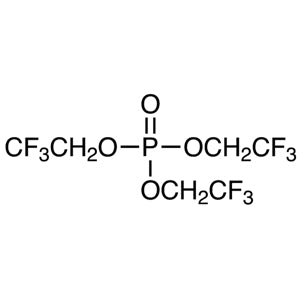
- TCI T3203 358-63-4 Tris(2,2,2-trifluoroethyl) Phosphate
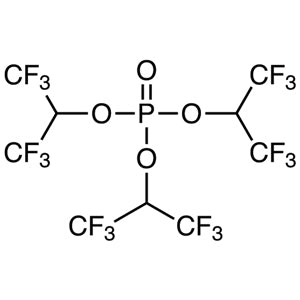
- TCI T3041 66489-68-7 Tris(1,1,1,3,3,3-hexafluoro-2-propyl) Phosphate
- Battery Additive: Triallyl Phosphite is used in battery development to enhance the electrochemical performance of electrode materials, contributing to improved energy density and cycle life.
- Material Science Research: This compound supports the synthesis and modification of advanced materials, aiding in the creation of more efficient and durable battery components.
- Electrode Formulation: It plays a crucial role in the preparation of electrode materials by improving their structural stability and conductivity, which is essential for high-performance batteries.
- Chemical Stability Testing: Due to its non-reactive nature, it is ideal for use in experiments that require stable chemical environments and minimal interference with other compounds.
- Industrial Prototyping: It is commonly used in the prototyping of new battery technologies, allowing researchers to test and refine formulations under controlled laboratory conditions.
| Brand | TCI |
|---|---|
| CAS number | 102-84-1 |
| Molecular formula | — |
| Purity | — |
| Category | Materials Science > Battery Materials > Battery Additives |
| Pack sizes | Available in various quantities as per supplier specifications |
| Physical form | Liquid |
| Storage | Store in a cool, dry, and well-ventilated area away from direct sunlight |
Triallyl Phosphite should be stored in a cool, dry, and well-ventilated area, away from direct sunlight and sources of heat. It is recommended to use sealed containers made of materials compatible with its chemical properties, such as glass or high-density polyethylene. Due to its chemical stability, it does not require special handling under normal conditions, but it is important to ensure that it is kept away from incompatible substances. In a laboratory setting, it should be handled with standard safety precautions, including the use of appropriate personal protective equipment. Its non-toxic nature and low reactivity make it relatively safe to work with, provided that standard laboratory practices are followed.
—
Produk Terkait
-
TriallylPhosphate TCI P0264
Regular price From Rp 4.929.750,00Regular priceRp 3.462.900,00Sale price From Rp 4.929.750,00 -
Tris(2,2,2-trifluoroethyl)Phosphite TCI T3991
Regular price From Rp 1.538.250,00Regular priceRp 1.075.200,00Sale price From Rp 1.538.250,00 -
TripropargylPhosphate TCI T3987
Regular price From Rp 2.782.500,00Regular priceRp 1.961.400,00Sale price From Rp 2.782.500,00 -
Tris(2-chloroethyl)Phosphate TCI T3447
Regular price From Rp 582.750,00Regular priceRp 423.150,00Sale price From Rp 582.750,00 -
Tris(2,2,2-trifluoroethyl)Phosphate TCI T3203
Regular price From Rp 2.332.050,00Regular priceRp 1.646.400,00Sale price From Rp 2.332.050,00 -
Tris(1,1,1,3,3,3-hexafluoro-2-propyl)Phosphate TCI T3041
Regular price From Rp 3.551.100,00Regular priceRp 2.499.000,00Sale price From Rp 3.551.100,00 -
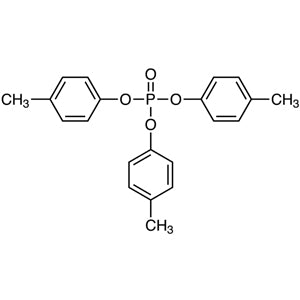
Tri-p-cresylPhosphate TCI T2209
Regular price From Rp 1.643.250,00Regular priceRp 1.164.450,00Sale price From Rp 1.643.250,00 -
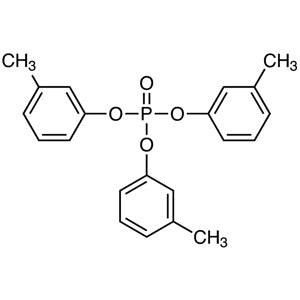
Tri-m-cresylPhosphate TCI P1472
Regular price Rp 1.881.600,00Regular priceRp 1.331.400,00Sale price Rp 1.881.600,00