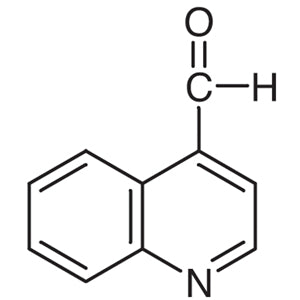
4-Quinolinecarboxaldehyde is a versatile organic chemical compound widely used in laboratory settings for synthetic reactions. It belongs to the class of heterocyclic building blocks, which are essential in the creation of complex organic molecules. This compound features a quinoline ring system connected to an aldehyde group, making it a valuable intermediate in the synthesis of various pharmaceutical and industrial compounds. Its structural complexity and reactivity make it a key player in organic chemistry research.
The compound is known for its chemical stability under controlled conditions, yet it exhibits high reactivity when exposed to elevated temperatures, moisture, or oxidizing agents. These properties make it suitable for applications where controlled reactivity is required. Its ability to participate in a wide range of chemical transformations, such as condensation and oxidation reactions, further enhances its utility in synthetic chemistry. Additionally, its solubility in organic solvents simplifies its handling and application in laboratory processes.
In Indonesian laboratories, 4-Quinolinecarboxaldehyde is commonly used in pharmaceutical and organic chemistry research. It plays a crucial role in the development of new drugs and chemical compounds. Its availability and reactivity make it a preferred choice for researchers aiming to synthesize complex molecules. Its use is widespread in both academic and industrial research settings, contributing to advancements in chemical science.
- Organic synthesis applications benefit from its reactivity and structural versatility, enabling the creation of complex molecules.
- Pharmaceutical research utilizes it as a building block for drug development, contributing to the synthesis of bioactive compounds.
- Industrial chemical production relies on its stability and solubility, facilitating efficient chemical transformations in large-scale processes.
- Analytical chemistry uses it as a standard for qualitative and quantitative analysis in chromatographic and spectroscopic methods.
- Research in heterocyclic chemistry leverages its unique structure for studying reaction mechanisms and synthetic pathways.
| Brand | TCI |
|---|---|
| CAS number | 4363-93-3 |
| Molecular formula | — |
| Purity | — |
| Category | Chemistry > Building Blocks > Heterocyclic Building Blocks |
| Pack sizes | Available in various quantities as per supplier specifications |
| Physical form | Solid or liquid, depending on the batch |
| Storage | Store in a cool, dry place away from light and moisture |
4-Quinolinecarboxaldehyde should be stored in a cool, dry environment, away from direct sunlight and moisture. It is recommended to keep it in a sealed container to prevent exposure to air and humidity. Due to its reactivity, it should be handled with care, using appropriate personal protective equipment such as gloves and safety goggles. Avoid storage near oxidizing agents or heat sources to maintain its stability. In laboratory settings, ensure proper ventilation and follow standard chemical safety protocols to minimize risks during handling and use.
—
Produk Terkait
-
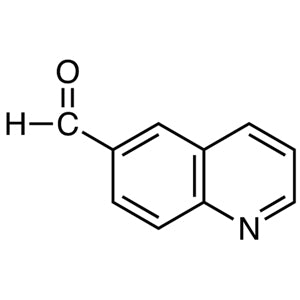
6-Quinolinecarboxaldehyde TCI Q0097
Regular price From Rp 1.724.100,00Regular price -
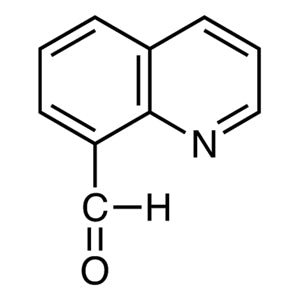
8-Quinolinecarboxaldehyde TCI Q0096
Regular price From Rp 1.670.550,00Regular price -
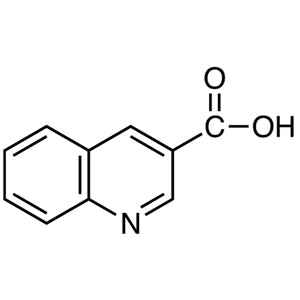
3-QuinolinecarboxylicAcid TCI Q0090
Regular price From Rp 928.200,00Regular price -
5-QuinolinecarboxylicAcid TCI Q0089
Regular price Rp 3.763.200,00Regular price -
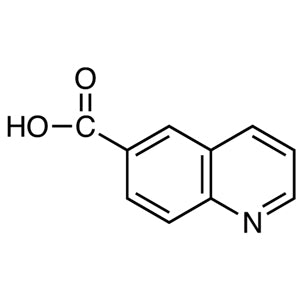
6-QuinolinecarboxylicAcid TCI Q0077
Regular price From Rp 2.571.450,00Regular price -
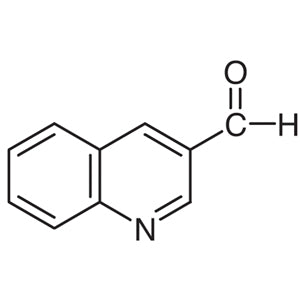
3-Quinolinecarboxaldehyde TCI Q0075
Regular price From Rp 2.625.000,00Regular price -
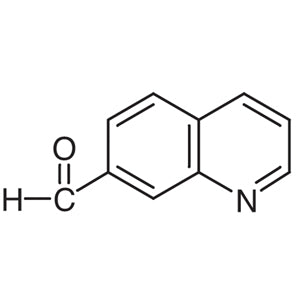
7-Quinolinecarboxaldehyde TCI Q0067
Regular price From Rp 7.023.450,00Regular price -
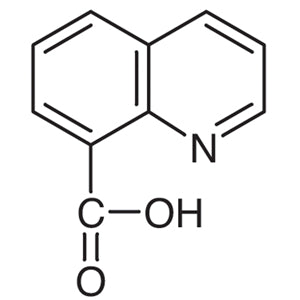
8-QuinolinecarboxylicAcid TCI Q0066
Regular price Rp 2.782.500,00Regular price