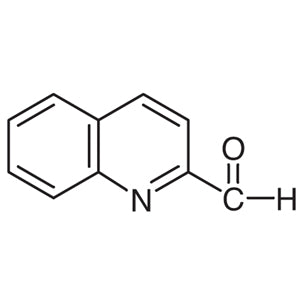
2-Quinolinecarboxaldehyde is a chemical compound widely used as a building block in the synthesis of heterocyclic compounds. It plays a crucial role in organic chemistry laboratories, where it serves as a versatile reagent for creating complex molecular structures. Its unique chemical properties make it an essential tool for researchers aiming to develop new compounds with specific biological activities. This compound is particularly valuable in the exploration of novel chemical structures due to its reactivity and compatibility with various functional groups.
The compound’s molecular structure, featuring a quinoline ring system, contributes to its high reactivity and functional versatility. It is known for its ability to participate in a wide range of chemical reactions, including condensation, substitution, and Diels-Alder reactions. These properties make it a preferred choice for chemists working on drug development, material science, and other advanced research fields. Its stability under controlled conditions further enhances its reliability in laboratory settings.
In Indonesian laboratories, 2-Quinolinecarboxaldehyde is commonly used in research related to pharmaceuticals, biochemistry, and synthetic chemistry. It is a key component in the development of compounds with potential therapeutic applications, including antitumor and antimicrobial agents. Its availability through suppliers like AMI Scientific ensures that researchers have access to this essential reagent for their experimental needs.
- Drug discovery research utilizes 2-Quinolinecarboxaldehyde for synthesizing compounds with potential antitumor properties due to its reactivity and compatibility with functional groups.
- Biochemical studies benefit from this compound as it enables the creation of molecules with specific biological activities, supporting research in medicinal chemistry.
- Organic synthesis projects rely on 2-Quinolinecarboxaldehyde for constructing complex heterocyclic structures, which are fundamental in pharmaceutical and material science applications.
- Analytical chemistry experiments use this compound as a standard for identifying and quantifying related chemical species in various sample matrices.
- Environmental research incorporates this reagent to study the behavior of heterocyclic compounds in different ecological systems, aiding in pollution monitoring and remediation efforts.
| Brand | TCI |
|---|---|
| CAS number | 5470-96-2 |
| Molecular formula | — |
| Purity | — |
| Category | Chemistry > Building Blocks > Heterocyclic Building Blocks |
| Pack sizes | Available in various quantities as per supplier specifications |
| Physical form | Solid or liquid, depending on the specific product variant |
| Storage | Store in a cool, dry place away from light and incompatible materials |
2-Quinolinecarboxaldehyde should be stored in a cool, dry environment to maintain its chemical stability. It is recommended to keep it in a tightly sealed container to prevent exposure to moisture and air. Due to its reactivity, it should be stored away from strong oxidizers and reducing agents to avoid unintended chemical interactions. Suitable containers for storage include glass or high-density polyethylene vessels that are resistant to chemical degradation. In laboratory settings, it is important to handle this compound with appropriate personal protective equipment, such as gloves and safety goggles, to ensure safe handling and minimize exposure risks. Proper labeling and storage conditions help maintain the integrity of the compound and ensure its safe use in research applications.
—
Produk Terkait
-
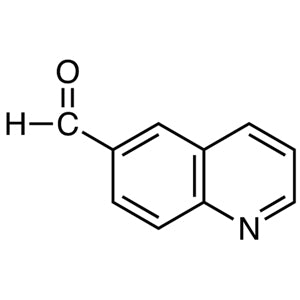
6-Quinolinecarboxaldehyde TCI Q0097
Regular price From Rp 1.724.100,00Regular price -
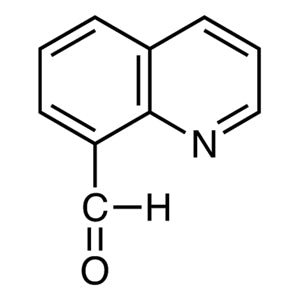
8-Quinolinecarboxaldehyde TCI Q0096
Regular price From Rp 1.670.550,00Regular price -
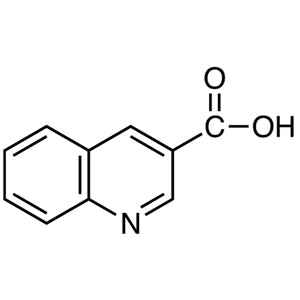
3-QuinolinecarboxylicAcid TCI Q0090
Regular price From Rp 928.200,00Regular price -
5-QuinolinecarboxylicAcid TCI Q0089
Regular price Rp 3.763.200,00Regular price -
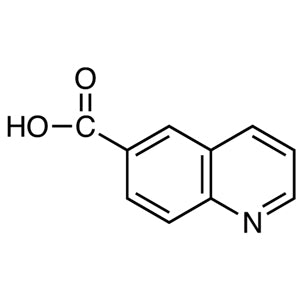
6-QuinolinecarboxylicAcid TCI Q0077
Regular price From Rp 2.571.450,00Regular price -
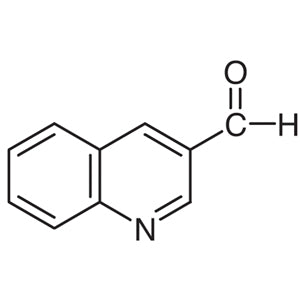
3-Quinolinecarboxaldehyde TCI Q0075
Regular price From Rp 2.625.000,00Regular price -
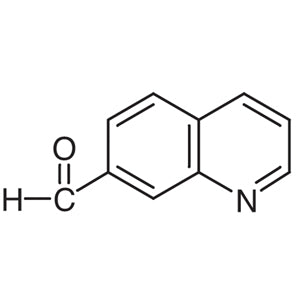
7-Quinolinecarboxaldehyde TCI Q0067
Regular price From Rp 7.023.450,00Regular price -
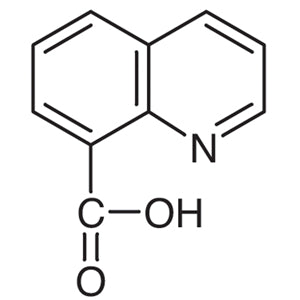
8-QuinolinecarboxylicAcid TCI Q0066
Regular price Rp 2.782.500,00Regular price