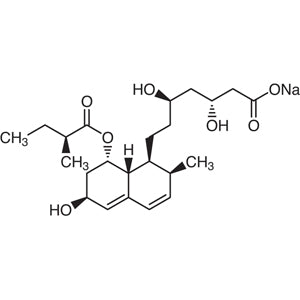
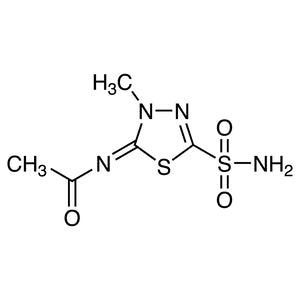
Quinapril Hydrochloride is a chemical compound widely used in biochemical and pharmacological experiments. It functions as an inhibitor of the angiotensin-converting enzyme (ACE), playing a crucial role in regulating blood pressure. In laboratory settings, this compound is essential for studying the pharmacological effects of antihypertensive drugs. Its ability to modulate enzyme activity makes it a valuable tool in understanding the mechanisms of drug action and physiological responses. Researchers rely on Quinapril Hydrochloride to explore the biochemical pathways involved in hypertension and related disorders.
Quinapril Hydrochloride is known for its chemical stability and solubility in organic solvents such as ethyl acetate and ethanol. These properties make it suitable for a variety of chemical reactions and quantitative analyses. Its high purity ensures accurate and reproducible results, which is vital in scientific research. The compound’s consistent performance across different experimental conditions enhances its reliability in laboratory applications. Additionally, its compatibility with standard laboratory techniques supports its use in both basic and advanced research.
In Indonesian laboratories, Quinapril Hydrochloride is extensively used in pharmacology, biochemistry, and health sciences research. It is a preferred choice due to its availability and adherence to international quality standards. Researchers in educational and research institutions depend on this compound for experiments requiring precise and reliable biochemical data. Its role in studying enzyme inhibition and drug mechanisms makes it an indispensable component in the scientific toolkit of Indonesian laboratories.
- Pharmacological research utilizes Quinapril Hydrochloride to study the effects of antihypertensive drugs on enzyme inhibition and blood pressure regulation.
- Biochemical experiments often incorporate this compound to investigate enzyme activity and substrate interactions in controlled environments.
- Health sciences research benefits from Quinapril Hydrochloride in analyzing the molecular mechanisms of hypertension and cardiovascular diseases.
- Enzyme inhibition studies rely on this compound to assess the potency and specificity of ACE inhibitors in various biological systems.
- Quantitative analysis in laboratories uses Quinapril Hydrochloride as a standard for accurate measurement and reproducible results in biochemical assays.
| Brand | TCI |
|---|---|
| CAS number | 82586-55-8 |
| Molecular formula | — |
| Purity | — |
| Category | Life Science > Biochemicals and Reagents > Enzymes, Enzyme Inhibitors, Enzyme Substrates |
| Pack sizes | Available in various quantities as per standard laboratory requirements |
| Physical form | White to off-white crystalline powder |
| Storage | Store in a cool, dry place away from direct sunlight |
Quinapril Hydrochloride should be stored in a cool, dry environment to maintain its chemical stability. It is recommended to keep the compound in airtight containers to prevent moisture absorption and contamination. Suitable storage conditions include a temperature range of 15–25°C and a relative humidity below 60%. When handling, it is important to use appropriate personal protective equipment such as gloves and safety goggles to ensure safety. The compound should be kept away from incompatible substances and stored in a well-ventilated area. Proper labeling and secure storage are essential to prevent accidental exposure and ensure safe laboratory practices.
—
Product Categories
- Biochemicals and ReagentsEnzymes, Enzyme Inhibitors, Enzyme SubstratesEnzyme Inhibitors [Biochemicals and Reagents]
- Biochemicals and ReagentsPharmaceutical Research Reagents (for Experimental Use)Antihypertensive Ingredients (for Research and Experimental Use)
- Biochemicals and Reagents
- Pharmaceutical Development and Drug Discovery ResearchPharmaceutical Research Reagents (for Experimental Use)Antihypertensive Ingredients (for Research and Experimental Use)
Produk Terkait
-
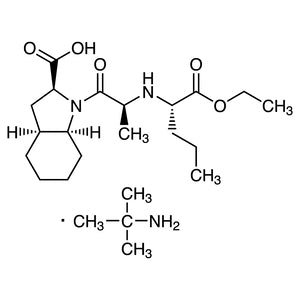
BenazeprilHydrochloride TCI B3611
Regular price Rp 2.491.650,00Regular priceRp 1.757.700,00Sale price Rp 2.491.650,00 -
PerindoprilErbumine TCI P2968
Regular price From Rp 2.173.500,00Regular priceRp 1.535.100,00Sale price From Rp 2.173.500,00 -
FosinoprilSodium TCI F1242
Regular price Rp 4.266.150,00Regular priceRp 2.998.800,00Sale price Rp 4.266.150,00 -
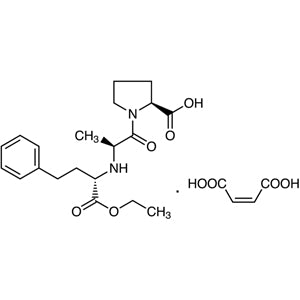
EnalaprilMaleate TCI E1010
Regular price From Rp 1.351.350,00Regular priceRp 960.750,00Sale price From Rp 1.351.350,00 -
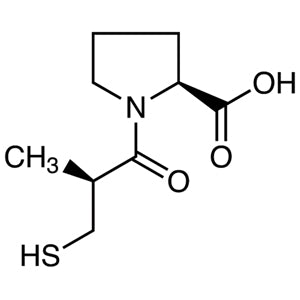
Captopril TCI C1580
Regular price From Rp 1.856.400,00Regular priceRp 1.313.550,00Sale price From Rp 1.856.400,00 -
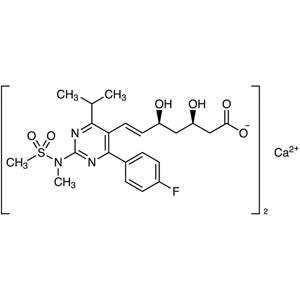
RosuvastatinCalcium TCI R0180
Regular price Rp 4.186.350,00Regular priceRp 2.943.150,00Sale price Rp 4.186.350,00 -
PravastatinSodium TCI P1796
Regular price From Rp 4.823.700,00Regular priceRp 3.388.350,00Sale price From Rp 4.823.700,00 -
Methazolamide TCI M3772
Regular price Rp 3.683.400,00Regular priceRp 2.591.400,00Sale price Rp 3.683.400,00