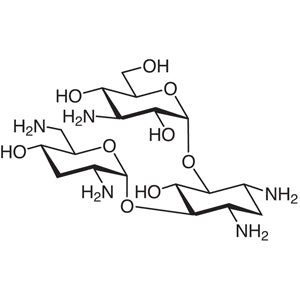
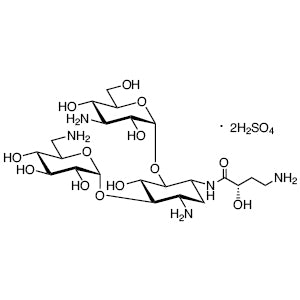
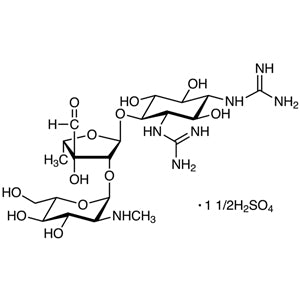
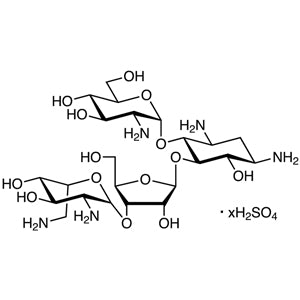
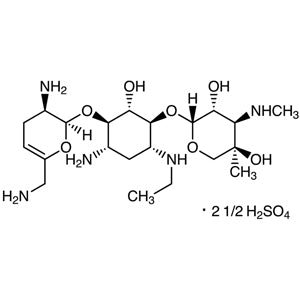
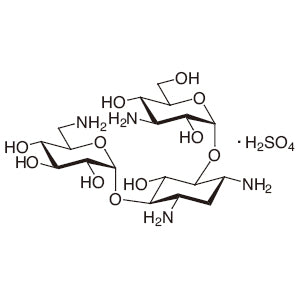
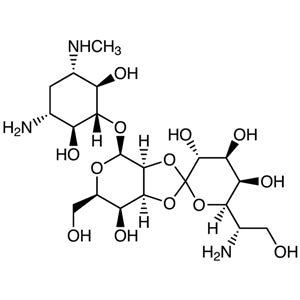
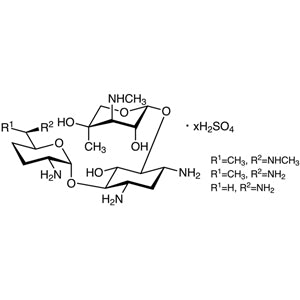
Roxithromycin, with CAS number 80214-83-1, is a macrolide antibiotic widely used in chemical and molecular biology research. This compound plays a crucial role in laboratories studying the interactions between organic compounds and biological systems. Its presence is essential in experiments that require the analysis of antibiotic activity and bacterial response. As a key component in pharmacological and microbiological studies, Roxithromycin supports the development of new therapeutic strategies and the understanding of microbial resistance mechanisms.
The unique properties of Roxithromycin make it a preferred choice for laboratory use. It exhibits strong antibacterial activity against both gram-positive and gram-negative bacteria, which is vital for testing antibiotic efficacy and resistance. Its molecular structure, consisting of a cyclic chain and glycosyl groups, contributes to its stability and solubility in organic solvents. These characteristics ensure reliable performance in various experimental conditions, making it a versatile tool for researchers. Additionally, its low inflammatory properties allow for its use in studies where minimal side effects are required.
In Indonesian laboratories, Roxithromycin is commonly used in academic and industrial research settings. It is an essential reagent for microbiology, pharmacology, and glycoscience studies. Its availability through AMI Scientific ensures that researchers have access to a high-quality and reliable source of this compound. The compound is widely applied in drug development, antibiotic testing, and resistance research, supporting scientific advancements in the region.
TCI brochures (PDF)
- Antimicrobials and Antitumor Agents for Research and Experimental Use 2025-04-24 · p. 4
- Reagents for Glyco Chemistry & Biology 5th Edition · p. 125
- Pharmaceutical Ingredients for Research and Experimental Use 2026-03-09 · p. 4
- Antibiotic Efficacy Testing: Roxithromycin is ideal for evaluating the effectiveness of antibiotics against various bacterial strains, supporting microbiological research.
- Drug Development Research: Its strong antibacterial properties make it a valuable tool in the development of new therapeutic agents and formulations.
- Microbial Resistance Studies: The compound is used to investigate bacterial resistance mechanisms, aiding in the understanding of antibiotic resistance evolution.
- Molecular Biology Experiments: Its role in studying interactions between organic compounds and biological systems supports biochemical and molecular research.
- Glycoscience Investigations: The complex molecular structure of Roxithromycin makes it useful in studies related to glycosylation and carbohydrate-based compounds.
| Brand | TCI |
|---|---|
| CAS number | 80214-83-1 |
| Molecular formula | — |
| Purity | — |
| Category | Chemistry > Chemical Biology > Glycoscience |
| Pack sizes | Available in various quantities as per supplier specifications |
| Physical form | Solid powder |
| Storage | Store in a cool, dry place away from light and moisture |
Roxithromycin should be stored in a cool, dry environment, away from direct sunlight and moisture to maintain its stability. It is recommended to keep the compound in airtight containers to prevent contamination and degradation. Proper labeling of storage containers is essential for safe handling and traceability. Laboratory personnel should wear appropriate personal protective equipment when handling the compound to ensure safety. Regular monitoring of storage conditions is advised to maintain the integrity of the material. The compound should not be exposed to extreme temperatures or high humidity levels to avoid any potential chemical degradation.
—
Product Categories
- GlycoscienceSugars (Other) [Glycoscience]
- Biochemicals and ReagentsAntibioticsAntibiotics (Chemical Structure Class)
- Biochemicals and ReagentsPharmaceutical Research Reagents (for Experimental Use)Antimicrobial Ingredients (for Research and Experimental Use)
- MicrobiologyAntibioticsAntibiotics (Chemical Structure Class)
- Pharmaceutical Development and Drug Discovery ResearchPharmaceutical Research Reagents (for Experimental Use)Antimicrobial Ingredients (for Research and Experimental Use)
- Pharmaceutical Development and Drug Discovery ResearchAntibioticsAntibiotics (Chemical Structure Class)
Produk Terkait
-
Tobramycin TCI T2503
Regular price From Rp 2.942.100,00Regular priceRp 2.072.700,00Sale price From Rp 2.942.100,00 -
AmikacinSulfate TCI A2281
Regular price From Rp 1.483.650,00Regular priceRp 1.053.150,00Sale price From Rp 1.483.650,00 -
StreptomycinSulfate TCI S0585
Regular price From Rp 822.150,00Regular priceRp 590.100,00Sale price From Rp 822.150,00 -
ParomomycinSulfate TCI P2092
Regular price From Rp 1.087.800,00Regular priceRp 775.950,00Sale price From Rp 1.087.800,00 -
NetilmicinSulfate TCI N1108
Regular price From Rp 3.419.850,00Regular priceRp 2.406.600,00Sale price From Rp 3.419.850,00 -
KanamycinMonosulfate TCI K0047
Regular price Rp 1.272.600,00Regular priceRp 905.100,00Sale price Rp 1.272.600,00 -
HygromycinB TCI H1509
Regular price From Rp 1.008.000,00Regular priceRp 720.300,00Sale price From Rp 1.008.000,00 -
GentamicinSulfate TCI G0383
Regular price From Rp 1.988.700,00Regular priceRp 1.405.950,00Sale price From Rp 1.988.700,00