D-Serine is a chemical compound classified as a non-essential amino acid, widely utilized in chemical and biochemical experiments. It plays a crucial role in laboratory research, particularly in the study of neurotransmitters and neurological activities. This compound is essential for understanding the complex interactions within the nervous system and is frequently used in neurobiological and pharmacological studies. Its presence in various scientific investigations underscores its importance in advancing knowledge in life sciences.
D-Serine is valued for its chemical stability and high water solubility, which make it easy to handle and integrate into diverse chemical reactions. These properties ensure consistent performance in laboratory settings, contributing to reliable experimental outcomes. Additionally, its molecular structure allows it to bind specifically to receptors in the brain, making it a key component in studies related to neural signaling. This specificity enhances its utility in precision-based molecular interactions.
In Indonesian laboratories, D-Serine is commonly used by researchers in higher education institutions and research organizations. It supports a wide range of scientific investigations, from basic biochemical studies to advanced neuropharmacological research. Its reliability and ease of use make it a preferred choice for both academic and applied research projects.
TCI brochures (PDF)
- D-Amino Acids 2026-03-19 · p. 1
- Amino Acids and Peptide Synthesis Reagents 2025-08-14 · p. 4
Related TCI products
- Neurotransmitter research: D-Serine is used to study the role of neurotransmitters in brain function and disease, supporting investigations into neurological disorders.
- Neuropharmacological studies: It is essential for testing drug interactions and effects on neural pathways, aiding in the development of new therapeutic agents.
- Peptide synthesis: D-Serine serves as a building block in the synthesis of complex peptides, contributing to the creation of bioactive molecules.
- Biochemical assays: Its solubility and stability make it suitable for use in various biochemical assays, ensuring accurate and reproducible results.
- Educational research: It is widely used in academic settings to teach students about amino acid chemistry and its applications in biological systems.
| Brand | TCI |
|---|---|
| CAS number | 312-84-5 |
| Molecular formula | — |
| Purity | — |
| Category | Chemistry > Chemical Biology > Peptide Chemistry |
| Pack sizes | Available in various quantities as per supplier specifications |
| Physical form | White crystalline powder |
| Storage | Store in a cool, dry place away from light |
D-Serine should be stored in a cool, dry environment, away from direct sunlight and moisture to maintain its chemical stability. It is recommended to use airtight containers to prevent exposure to air and humidity, which could affect its solubility and integrity. Proper labeling of containers is essential for safe handling and to avoid contamination. In laboratory settings, it should be handled with standard personal protective equipment, such as gloves and safety goggles, to ensure safety. Due to its water solubility, it should be stored in sealed containers to prevent accidental spills or evaporation. Regular monitoring of storage conditions is advised to ensure the compound remains in optimal condition for use in experiments.
—
Product Categories
Produk Terkait
-
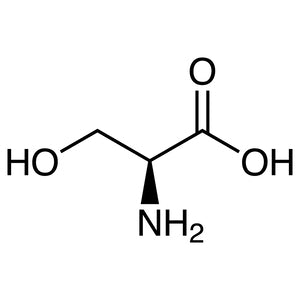
L-Serine TCI S0035
Regular price From Rp 530.250,00Regular priceRp 386.400,00Sale price From Rp 530.250,00 -
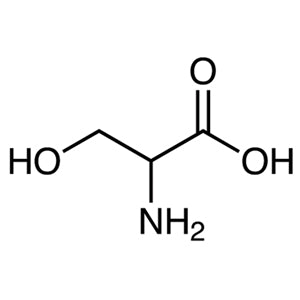
DL-Serine TCI S0034
Regular price From Rp 980.700,00Regular priceRp 701.400,00Sale price From Rp 980.700,00 -
D-Methionine TCI M0102
Regular price From Rp 900.900,00Regular priceRp 645.750,00Sale price From Rp 900.900,00 -
N-(Triphenylmethyl)-L-serineMethylEster TCI T2870
Regular price From Rp 1.431.150,00Regular priceRp 1.016.400,00Sale price From Rp 1.431.150,00 -
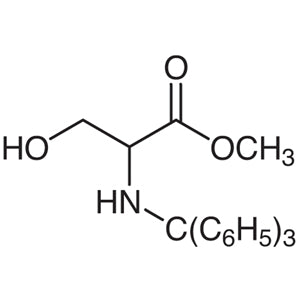
N-(Triphenylmethyl)-DL-serineMethylEster TCI T2500
Regular price From Rp 2.650.200,00Regular priceRp 1.869.000,00Sale price From Rp 2.650.200,00 -
O-tert-Butyl-L-serinetert-ButylEsterHydrochloride TCI B4913
Regular price From Rp 1.192.800,00Regular priceRp 849.450,00Sale price From Rp 1.192.800,00 -
O-tert-Butyl-L-serine TCI B3917
Regular price From Rp 1.060.500,00Regular priceRp 757.050,00Sale price From Rp 1.060.500,00 -
O-tert-Butyl-N-[(9H-fluoren-9-ylmethoxy)carbonyl]-L-serine TCI B3168
Regular price From Rp 1.405.950,00Regular priceRp 998.550,00Sale price From Rp 1.405.950,00