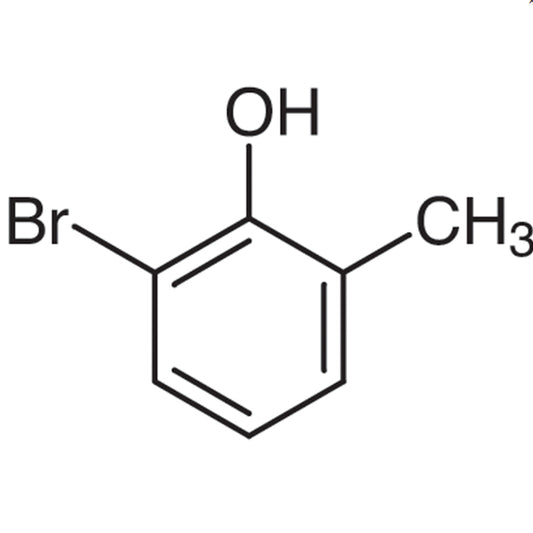
Cresol Red Sodium Salt (TCI S0046) is a chemical compound widely used in analytical chemistry, particularly in titration reactions. It functions as a pH indicator, changing color in response to pH variations, which makes it essential for identifying the endpoint of chemical reactions. This reagent is commonly found in laboratory settings where precise pH monitoring is required. Its ability to provide visual cues during titration helps chemists and students alike to accurately determine when a reaction has reached completion. The compound is especially valuable in qualitative and quantitative analysis, where visual indicators play a crucial role in data interpretation.
The properties of Cresol Red Sodium Salt that make it a preferred choice include its sensitivity to pH changes and its distinct color transition range from red to purple. This wide color change allows for clear and reliable detection of pH shifts, even in complex solutions. The reagent is stable under controlled conditions, ensuring consistent performance across multiple experiments. Its reliability and accuracy make it a trusted tool in both educational and research environments. Additionally, its ease of use and cost-effectiveness contribute to its popularity among laboratory professionals.
In Indonesian laboratories, Cresol Red Sodium Salt is extensively used in educational institutions and research facilities. It is a key component in chemistry courses and practical sessions, where students learn about pH indicators and titration techniques. Its availability in the local market supports the growth of scientific education and research, making it an essential reagent for both academic and industrial applications.
TCI brochures (PDF)
- Titration Reagents and TLC Stains 2026-05-07 · p. 3
- Titrations of acidic and basic solutions benefit from Cresol Red Sodium Salt due to its accurate color change range, which aligns with the pH range of many common titrations.
- Educational laboratories use this reagent to teach students about pH indicators and the principles of titration, providing a hands-on learning experience.
- Quality control processes in chemical manufacturing rely on this compound to ensure the correct pH levels in final products, maintaining product consistency.
- Environmental analysis labs utilize Cresol Red Sodium Salt to monitor pH changes in water samples, helping assess the health of aquatic ecosystems.
- Research laboratories employ this reagent in various analytical procedures where precise pH detection is critical for accurate experimental results.
| Brand | TCI |
|---|---|
| CAS number | 62625-29-0 |
| Molecular formula | — |
| Purity | — |
| Category | Analytical Chemistry > Analytical Reagents > Titration Reagents |
| Pack sizes | Available in various quantities as per standard laboratory reagent packaging |
| Physical form | Solid powder or crystalline powder |
| Storage | Store in a cool, dry place away from direct sunlight and moisture |
Cresol Red Sodium Salt should be stored in a cool, dry environment to maintain its stability and effectiveness. It is recommended to keep the reagent in a sealed container to prevent exposure to moisture and air, which can affect its performance. Laboratory personnel should handle the compound with care, using appropriate personal protective equipment such as gloves and safety goggles. The reagent should be stored away from incompatible substances to avoid any chemical reactions. Proper labeling of storage containers is essential for safe handling and easy identification. Regular inspection of storage conditions ensures that the reagent remains in optimal condition for use in analytical procedures.
—
Produk Terkait
-
CresolRed TCI C0406
Regular price From Rp 637.350,00Regular priceRp 460.950,00Sale price From Rp 637.350,00 -
3,4,5,6-Tetrabromo-o-cresol TCI T1528
Regular price Rp 610.050,00Regular priceRp 426.300,00Sale price Rp 610.050,00 -
2,3,5,6-Tetrabromo-p-cresol TCI T1430
Regular price From Rp 2.147.250,00Regular priceRp 1.501.500,00Sale price From Rp 2.147.250,00 -
4-Bromo-o-cresol TCI B3677
Regular price From Rp 1.590.750,00Regular priceRp 1.111.950,00Sale price From Rp 1.590.750,00 -
6-Bromo-o-cresol TCI B3126
Regular price From Rp 3.683.400,00Regular priceRp 2.575.650,00Sale price From Rp 3.683.400,00 -
2-tert-Butyl-p-cresol TCI B0910
Regular price From Rp 557.550,00Regular priceRp 405.300,00Sale price From Rp 557.550,00 -
2-Bromo-p-cresol TCI B0808
Regular price From Rp 2.782.500,00Regular priceRp 1.945.650,00Sale price From Rp 2.782.500,00 -
6-tert-Butyl-o-cresol TCI B0728
Regular price From Rp 795.900,00Regular priceRp 572.250,00Sale price From Rp 795.900,00