Octa-O-acetyl D-(+)-Sucrose is a chemical compound widely used in laboratory experiments related to glycoscience and biochemical research. As a fully acetylated derivative of sucrose, it features acetyl groups on all hydroxyl groups, making it a highly functional molecule. This compound plays a crucial role in chemical reactions involving glycosylation and carbohydrate modification. Its unique structure allows it to act as a substrate or modifier in various biochemical processes, supporting the study of molecular interactions and biological activities of carbohydrates.
The chemical stability and controlled reactivity of Octa-O-acetyl D-(+)-Sucrose make it a preferred choice for precise laboratory applications. Its resistance to degradation under normal conditions ensures long-term storage and consistent performance. The compound’s well-defined molecular structure also facilitates spectroscopic analysis and molecular characterization, making it a reliable material for analytical and synthetic purposes. These properties contribute to its widespread use in advanced research settings.
In Indonesian laboratories, Octa-O-acetyl D-(+)-Sucrose is commonly utilized in biochemistry, pharmacology, and organic chemistry research. It is a key component in studies involving carbohydrate interactions, enzyme activity, and molecular modeling. Its availability through AMI Scientific ensures that researchers in Indonesia have access to this essential compound for their experimental needs.
TCI brochures (PDF)
Related TCI products
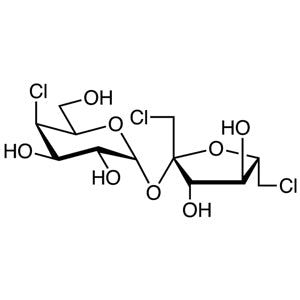
- TCI S0839 56038-13-2 Sucralose
- TCI M1729 610763-72-9 Neu5Troc[1Me,4789Ac]alpha(2-3)Gal[26Bn]-beta-MP
- TCI C0861 5346-90-7 alpha-D-Cellobiose Octaacetate
- TCI T2607 62211-93-2 1,2,3-Tri-O-acetyl-5-deoxy-beta-D-ribofuranose
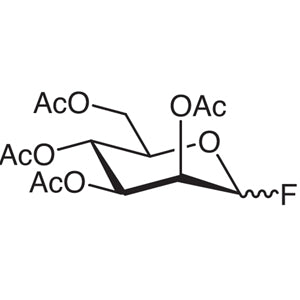
- TCI T2567 174511-17-2 2,3,4,6-Tetra-O-acetyl-D-mannopyranosyl Fluoride
- TCI T2307 92051-23-5 1,3,4,6-Tetra-O-acetyl-2-O-(trifluoromethanesulfonyl)-beta-D-mannopyranose
- Biochemical research utilizes this compound for studying glycosylation reactions due to its acetylated structure.
- Pharmacological studies benefit from its role as a substrate in carbohydrate-based drug development.
- Organic chemistry experiments employ it as a versatile building block for synthetic carbohydrate derivatives.
- Molecular characterization techniques rely on its stable structure for accurate spectroscopic analysis.
- Carbohydrate interaction studies use it to model and analyze molecular behavior in biological systems.
| Brand | TCI |
|---|---|
| CAS number | 126-14-7 |
| Molecular formula | — |
| Purity | — |
| Category | Chemistry > Chemical Biology > Glycoscience |
| Pack sizes | Available in standard laboratory quantities |
| Physical form | White crystalline solid |
| Storage | Store in a cool, dry place away from moisture and light |
Octa-O-acetyl D-(+)-Sucrose should be stored in a cool, dry environment to maintain its chemical stability. It is recommended to keep the compound in a sealed container to prevent exposure to moisture and air. Due to its acetylated structure, it is advisable to use appropriate personal protective equipment when handling the material. The compound should be stored away from incompatible substances to avoid any potential chemical reactions. Regular inspection of storage conditions ensures the integrity of the material over time. Proper handling and storage practices help preserve its reactivity and usability in laboratory applications.
—
Product Categories
Produk Terkait
-
Sucralose TCI S0839
Regular price From Rp 505.050,00Regular priceRp 352.800,00Sale price From Rp 505.050,00 -
Neu5Troc[1Me,4789Ac]alpha(2-3)Gal[26Bn]-beta-MP TCI M1729
Regular price Rp 16.746.450,00Regular priceRp 11.726.400,00Sale price Rp 16.746.450,00 -
alpha-D-CellobioseOctaacetate TCI C0861
Regular price Rp 2.571.450,00Regular priceRp 1.813.350,00Sale price Rp 2.571.450,00 -
1,2,3-Tri-O-acetyl-5-deoxy-beta-D-ribofuranose TCI T2607
Regular price From Rp 530.250,00Regular priceRp 386.400,00Sale price From Rp 530.250,00 -
2,3,4,6-Tetra-O-acetyl-D-mannopyranosylFluoride TCI T2567
Regular price From Rp 5.512.500,00Regular priceRp 3.870.300,00Sale price From Rp 5.512.500,00 -
1,3,4,6-Tetra-O-acetyl-2-O-(trifluoromethanesulfonyl)-beta-D-mannopyranose TCI T2307
Regular price Rp 1.378.650,00Regular priceRp 979.650,00Sale price Rp 1.378.650,00 -
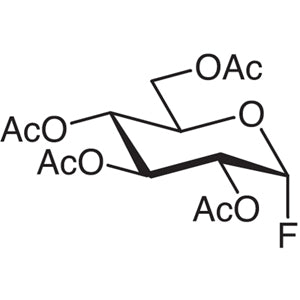
2,3,4,6-Tetra-O-acetyl-alpha-D-glucopyranosylFluoride TCI T1995
Regular price Rp 3.365.250,00Regular priceRp 2.368.800,00Sale price Rp 3.365.250,00 -
3,4,6-Tri-O-acetyl-2-deoxy-D-glucopyranose TCI T1931
Regular price Rp 2.147.250,00Regular priceRp 1.517.250,00Sale price Rp 2.147.250,00