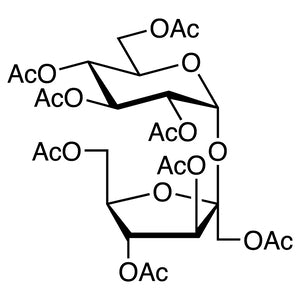
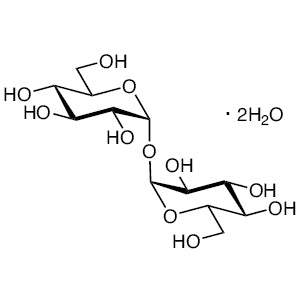
Sucralose, with CAS number 56038-13-2, is an artificial sweetener widely used in various scientific fields, particularly in chemistry and biology. This compound is known for its intense sweetness, approximately 600 times stronger than regular sugar. In laboratory settings, sucralose serves as a valuable tool for researchers studying nutrition, metabolism, and food science. Its unique properties make it an essential component in many experimental protocols. Due to its stability under heat and lack of caloric content, it is also relevant in health-related research.
The stability of sucralose under various conditions makes it a preferred choice for laboratory use. It does not break down in the human body, meaning it does not contribute to energy intake or affect blood sugar levels. Its chemical stability ensures that it remains intact during processing and purification steps, making it suitable for a wide range of experimental conditions. Additionally, sucralose has no interfering taste or odor, which is crucial for maintaining the integrity of analytical results. These characteristics make it an ideal compound for use in controlled environments.
In Indonesian laboratories, sucralose is commonly used in research related to food science, nutritional studies, and health research. Its non-caloric nature and stability make it a popular choice for experiments that require a sweetening agent without affecting the metabolic outcomes. It is also used in biochemical assays where the presence of a sweetener does not interfere with the results. Its versatility and reliability have made it a standard component in many research protocols across various scientific disciplines.
TCI brochures (PDF)
- Obesity_Diabete Research Reagents 2026-07-10 · p. 1
- Reagents for Glyco Chemistry & Biology 5th Edition · p. 88
- Reagents for Biological Research 2025-03-11 · p. 52
Related TCI products
- Nutritional research utilizes sucralose to study the impact of sweeteners on metabolism without affecting caloric intake.
- Food science experiments benefit from sucralose due to its stability under heat and its non-caloric nature.
- Metabolic studies often incorporate sucralose to assess how sweeteners influence blood sugar levels and energy metabolism.
- Biochemical assays use sucralose as a sweetening agent that does not interfere with analytical results.
- Health-related research employs sucralose to investigate its effects on human physiology without introducing additional energy sources.
| Brand | TCI |
|---|---|
| CAS number | 56038-13-2 |
| Molecular formula | — |
| Purity | — |
| Category | Chemistry > Chemical Biology > Glycoscience |
| Pack sizes | — |
| Physical form | — |
| Storage | Store in a cool, dry place away from light |
Sucralose should be stored in a cool, dry place away from direct light to maintain its chemical stability. It is recommended to use airtight containers to prevent moisture absorption and contamination. Due to its non-hygroscopic nature, it does not readily absorb moisture, but proper sealing is still important for long-term storage. In laboratory settings, it should be handled with standard chemical safety practices, including the use of gloves and appropriate ventilation. Since it is non-toxic and non-irritating, it poses minimal risk during routine handling. However, it is important to keep it away from incompatible substances and ensure proper labeling for safe access and use.
—
Product Categories
- GlycoscienceDisaccharides [Glycoscience]
- GlycoscienceGlyco Building BlocksProtected Sugars [Oligosaccharides by Component Sugar]
- Biochemicals and ReagentsCarbohydrates
- Cell BiologyNutrition ResearchSweetener Research Reagents (for Experimental Use)
- Cell BiologyObesity and Diabetes ResearchSweetener Research Reagents (for Experimental Use)
Produk Terkait
-
Octa-O-acetylD-(+)-Sucrose TCI S0052
Regular price From Rp 505.050,00Regular priceRp 368.550,00Sale price From Rp 505.050,00 -
Neu5Troc[1Me,4789Ac]alpha(2-3)Gal[26Bn]-beta-MP TCI M1729
Regular price Rp 16.746.450,00Regular priceRp 11.726.400,00Sale price Rp 16.746.450,00 -
alpha-D-CellobioseOctaacetate TCI C0861
Regular price Rp 2.571.450,00Regular priceRp 1.813.350,00Sale price Rp 2.571.450,00 -
D-(+)-TrehaloseAnhydrous TCI T0832
Regular price From Rp 1.167.600,00Regular priceRp 831.600,00Sale price From Rp 1.167.600,00 -
D-(+)-TrehaloseDihydrate TCI T0331
Regular price From Rp 557.550,00Regular priceRp 405.300,00Sale price From Rp 557.550,00 -
Stevioside TCI S0594
Regular price Rp 2.730.000,00Regular priceRp 1.924.650,00Sale price Rp 2.730.000,00 -
PalatinoseHydrate TCI P1234
Regular price From Rp 717.150,00Regular priceRp 516.600,00Sale price From Rp 717.150,00 -
Maltitol TCI M0601
Regular price From Rp 980.700,00Regular priceRp 701.400,00Sale price From Rp 980.700,00