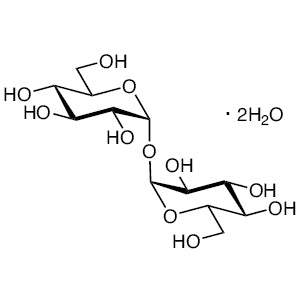
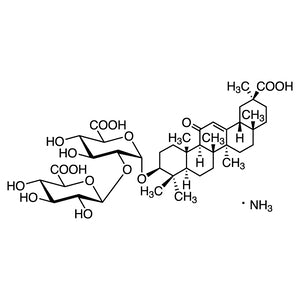
Maltitol is a carbohydrate compound widely used in various fields of chemistry and biology. As a calorie-free natural sweetener, it exhibits stability and does not cause an increase in blood sugar levels, making it a popular alternative in research and product development. In the laboratory, maltitol serves as a key raw material for the synthesis of complex compounds and as a substrate in biochemical reactions involving enzymes. Its unique molecular structure, derived from maltose with distinct hydroxyl groups, contributes to its versatility in experimental applications.
The chemical and physical stability of maltitol makes it an ideal choice for a wide range of laboratory conditions, including chemical reactions, analysis, and testing. Its resistance to degradation simplifies storage and repeated use in research settings. This stability ensures consistent performance across different experimental protocols, enhancing the reliability of results. Additionally, its non-hygroscopic nature reduces the risk of moisture-related contamination, which is crucial for maintaining the integrity of experiments.
In Indonesian laboratories, maltitol is commonly found in research related to nutrition, pharmacology, and food science. It is also used in the development of natural preservatives and in studies on metabolic diseases. Due to its availability and stability, maltitol remains a valuable resource for researchers seeking reliable and consistent experimental materials.
TCI brochures (PDF)
- Obesity_Diabete Research Reagents 2026-07-10 · p. 1
- Reagents for Glyco Chemistry & Biology 5th Edition · p. 83
- Reagents for Biological Research 2025-03-11 · p. 52
- Nutritional research utilizes maltitol to study its impact on metabolic processes and gut microbiota without affecting blood glucose levels.
- Pharmacological studies incorporate maltitol as a non-caloric sweetener in drug formulations to improve patient compliance and taste.
- Food science experiments use maltitol as a low-calorie alternative to traditional sugars in the development of functional foods and confectionery products.
- Biochemical assays employ maltitol as a substrate to investigate enzyme activity and metabolic pathways in vitro.
- Metabolic disease research leverages maltitol to model and study conditions such as diabetes and obesity in controlled laboratory environments.
| Brand | TCI |
|---|---|
| CAS number | 585-88-6 |
| Molecular formula | — |
| Purity | — |
| Category | Chemistry > Chemical Biology > Glycoscience |
| Pack sizes | Available in various quantities as per standard laboratory requirements |
| Physical form | Solid powder |
| Storage | Store in a cool, dry place away from moisture and direct sunlight |
Maltitol should be stored in a cool, dry environment to maintain its chemical stability and prevent degradation. It is recommended to keep it in airtight containers to avoid moisture absorption, which can affect its physical properties. Due to its non-hygroscopic nature, it is less prone to clumping, but proper sealing is still essential for long-term storage. Laboratory personnel should handle maltitol with care to avoid contamination and ensure its purity remains intact. Regular inspection of storage conditions is advised to maintain optimal quality for research applications.
—
Product Categories
- GlycoscienceApplications Using Glyco-materialsGlyco-chemical Analysis [Applications Using Glyco-materials]
- GlycoscienceDisaccharides [Glycoscience]
- Biochemicals and ReagentsCarbohydrates
- Cell BiologyNutrition ResearchSweetener Research Reagents (for Experimental Use)
- Cell BiologyObesity and Diabetes ResearchSweetener Research Reagents (for Experimental Use)
Produk Terkait
-
D-(+)-TrehaloseAnhydrous TCI T0832
Regular price From Rp 1.167.600,00Regular priceRp 831.600,00Sale price From Rp 1.167.600,00 -
D-(+)-TrehaloseDihydrate TCI T0331
Regular price From Rp 557.550,00Regular priceRp 405.300,00Sale price From Rp 557.550,00 -
PalatinoseHydrate TCI P1234
Regular price From Rp 717.150,00Regular priceRp 516.600,00Sale price From Rp 717.150,00 -
MonoammoniumGlycyrrhizinate TCI G0151
Regular price Rp 769.650,00Regular priceRp 553.350,00Sale price Rp 769.650,00 -
Maltitol TCI M0797
Regular price From Rp 1.087.800,00Regular priceRp 775.950,00Sale price From Rp 1.087.800,00 -
Xylobiose TCI X0067
Regular price From Rp 4.320.750,00Regular priceRp 3.036.600,00Sale price From Rp 4.320.750,00 -
Xylosucrose TCI X0065
Regular price From Rp 2.093.700,00Regular priceRp 1.479.450,00Sale price From Rp 2.093.700,00 -
D-(+)-MelibioseMonohydrate TCI M0050
Regular price From Rp 557.550,00Regular priceRp 405.300,00Sale price From Rp 557.550,00