2-Sulfobenzoic Anhydride (CAS 81-08-3) is a chemical compound widely used in organic synthesis as a key building block in laboratory settings. It belongs to the category of non-heterocyclic building blocks and is known for its reactive sulfonate anhydride structure. This compound plays a crucial role in facilitating substitution reactions and ester bond formation, making it an essential reagent for chemists working on complex molecule synthesis. Its chemical reactivity and functional group versatility allow it to be a valuable tool in the development of various organic compounds.
The compound’s hydrophobic nature and solubility in organic solvents like ethyl acetate and chloroform make it a preferred choice for laboratory use. Its ability to participate in esterification and substitution reactions enhances its utility in synthetic pathways. Additionally, its stability under controlled conditions ensures consistent performance in experimental setups. These properties contribute to its popularity among researchers seeking reliable and efficient reagents for chemical synthesis.
In Indonesian laboratories, 2-Sulfobenzoic Anhydride is commonly used in pharmaceutical and industrial chemical research. It is a key component in the synthesis of sulfobenzoic acid and its derivatives, which have applications in drug development and chemical manufacturing. Its availability and cost-effectiveness make it a favored material for both academic and industrial research in the region.
Related TCI products
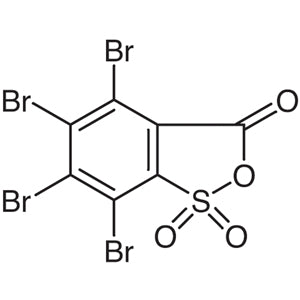
- TCI T0048 68460-01-5 Tetrabromo-o-sulfobenzoic Anhydride
- TCI S0126 17625-03-5 3-Sulfobenzoic Acid Monosodium Salt
- TCI T0131 1745-83-1 Tetraiodo-2-sulfobenzoic Anhydride
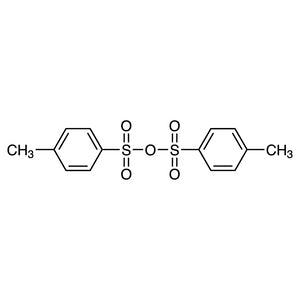
- TCI T1485 4124-41-8 p-Toluenesulfonic Anhydride
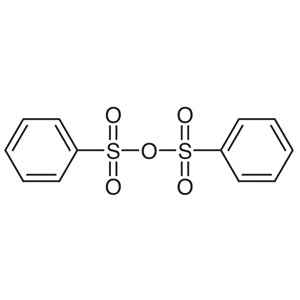
- TCI B1931 512-35-6 Benzenesulfonic Anhydride
- TCI S0122 1008-72-6 2-Sulfobenzaldehyde Sodium Salt
- Organic synthesis applications benefit from its reactivity in esterification and substitution reactions, making it ideal for complex molecule development.
- Pharmaceutical research utilizes it for the production of sulfobenzoic acid derivatives, which are important in drug formulation processes.
- Industrial chemical production relies on its ability to form ester bonds, supporting the creation of various functional compounds.
- Analytical chemistry experiments use it as a standard reagent for testing and characterizing chemical reactions and functional groups.
- Environmental studies incorporate it in the synthesis of compounds used for monitoring and treating chemical pollutants in water systems.
| Brand | TCI |
|---|---|
| CAS number | 81-08-3 |
| Molecular formula | — |
| Purity | — |
| Category | Chemistry > Building Blocks > Non-Heterocyclic Building Blocks |
| Pack sizes | Available in various quantities as per supplier specifications |
| Physical form | Solid |
| Storage | Store in a cool, dry place away from moisture and direct sunlight |
This compound should be stored in a cool, dry environment to maintain its chemical integrity and prevent degradation. It is recommended to keep it in airtight containers to minimize exposure to moisture and air, which can affect its reactivity. Due to its hydrophobic nature, it is best stored in glass or polyethylene containers that are resistant to chemical interactions. Laboratory personnel should handle it with appropriate personal protective equipment, including gloves and safety goggles, to ensure safety during use and storage. Proper labeling of storage containers is essential to prevent accidental exposure and ensure safe handling in a laboratory setting.
—
Produk Terkait
-
Tetrabromo-o-sulfobenzoicAnhydride TCI T0048
Regular price From Rp 2.041.200,00Regular price -
3-SulfobenzoicAcidMonosodiumSalt TCI S0126
Regular price From Rp 477.750,00Regular price -
Tetraiodo-2-sulfobenzoicAnhydride TCI T0131
Regular price From Rp 2.809.800,00Regular price -
p-ToluenesulfonicAnhydride TCI T1485
Regular price From Rp 1.749.300,00Regular price -
BenzenesulfonicAnhydride TCI B1931
Regular price From Rp 5.062.050,00Regular price -
2-SulfobenzaldehydeSodiumSalt TCI S0122
Regular price From Rp 1.008.000,00Regular price -
ValericAnhydride TCI V0006
Regular price From Rp 875.700,00Regular price -
3-BromophthalicAnhydride TCI B4061
Regular price From Rp 1.246.350,00Regular price