TCI T0131 Tetraiodo-2-sulfobenzoic Anhydride (CAS 1745-83-1) is the cyclic anhydride of 2-sulfobenzoic acid, with four iodine atoms on its aromatic ring. In this molecule, the carboxylic and sulfonic acid groups join to form a heterocyclic ring that contains both sulfur and oxygen, which is why it is classed as a heterocyclic building block. In the laboratory, it is mainly used as a reactive intermediate for making sulfonephthalein dyes and halogenated aromatic derivatives. Under suitable conditions, the anhydride reacts readily with phenols and other nucleophiles.
Chemists choose this compound because it brings together two useful features: the reactivity of a cyclic anhydride and a heavy load of iodine on the aromatic ring. The anhydride's reactivity allows condensation with phenolic compounds to build the sulfonephthalein framework, which is the core structure of many pH indicators. The four iodine atoms affect the color, electron density and physical properties of the final product. The iodine atoms can also serve as sites for further modification through coupling reactions, so the molecule supports more complex synthetic routes. Because it is an anhydride, it is sensitive to moisture and can hydrolyze if it is stored poorly.
In Indonesia, this compound is most relevant to synthetic organic chemistry laboratories in universities, research institutes and industrial R&D groups. These include groups that develop dyes, pH indicators or halogenated aromatic compounds. Research teams studying how substituents affect indicator color and behavior can use it as a starting material. Groups planning multi-step syntheses can use the iodinated ring as a handle for later coupling chemistry. Supplied under the TCI brand, it gives researchers a known source for a specialized reagent of this kind.
Related TCI products
- Sulfonephthalein dye synthesis: the cyclic anhydride condenses with phenolic compounds to form the sulfonephthalein framework, which is the core structure of many pH indicator dyes.
- pH indicator research: the four iodine atoms on the aromatic ring affect color and electron density, so researchers can use the compound to study how heavy halogen substitution changes indicator behavior.
- Halogenated aromatic derivatives: the heavily iodinated ring makes it a practical starting material for preparing halogenated aromatic compounds without having to introduce iodine in separate steps.
- Coupling-based structural modification: the iodine atoms can act as sites for further modification through coupling reactions, so chemists can extend or functionalize the molecule after the first condensation.
- Reactions with nucleophiles: the anhydride reacts readily with phenols and other nucleophiles under suitable conditions, so it works as a reactive heterocyclic intermediate in exploratory organic synthesis.
| Brand | TCI (product code T0131) |
|---|---|
| CAS number | 1745-83-1 |
| Molecular formula | — |
| Purity | — |
| Category | Chemistry > Building Blocks > Heterocyclic Building Blocks |
| Pack sizes | available in standard TCI pack sizes; please check with AMI Scientific for the sizes currently offered |
| Physical form | refer to the TCI product label and Safety Data Sheet |
| Storage | moisture-sensitive anhydride; keep dry and tightly sealed to prevent hydrolysis |
This compound is a cyclic anhydride and is sensitive to water, so it must be protected from moisture to prevent hydrolysis. Keep it in its original, tightly closed container in a cool, dry, well-ventilated area, away from water, humid air and incompatible substances such as strong nucleophiles. Close the container right after each use, and consider storing it in a desiccator or under dry conditions, especially in humid tropical climates. Handle it in a fume hood and wear suitable personal protective equipment, including gloves, safety glasses and a lab coat. Before use, always read the TCI Safety Data Sheet for specific hazard, storage and disposal information.
—
Produk Terkait
-
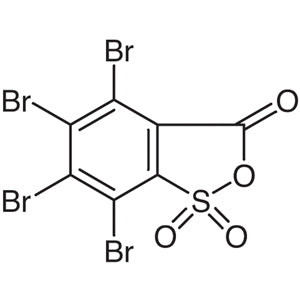
Tetrabromo-o-sulfobenzoicAnhydride TCI T0048
Regular price From Rp 2.093.700,00Regular priceRp 1.479.450,00Sale price From Rp 2.093.700,00 -
2-SulfobenzoicAnhydride TCI S0124
Regular price From Rp 1.829.100,00Regular priceRp 1.294.650,00Sale price From Rp 1.829.100,00 -
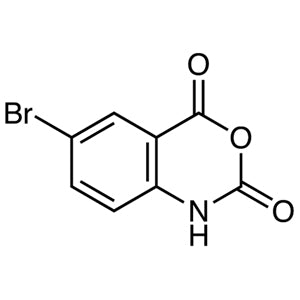
5-BromoisatoicAnhydride TCI B3659
Regular price Rp 3.180.450,00Regular priceRp 2.239.650,00Sale price Rp 3.180.450,00 -
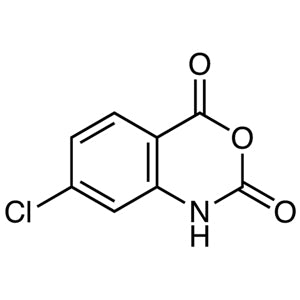
4-ChloroisatoicAnhydride TCI C2790
Regular price From Rp 822.150,00Regular priceRp 590.100,00Sale price From Rp 822.150,00 -
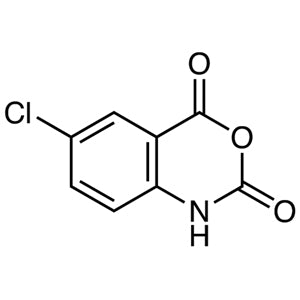
5-ChloroisatoicAnhydride TCI C2743
Regular price From Rp 1.908.900,00Regular priceRp 1.350.300,00Sale price From Rp 1.908.900,00 -
3-SulfobenzoicAcidMonosodiumSalt TCI S0126
Regular price From Rp 530.250,00Regular priceRp 386.400,00Sale price From Rp 530.250,00 -
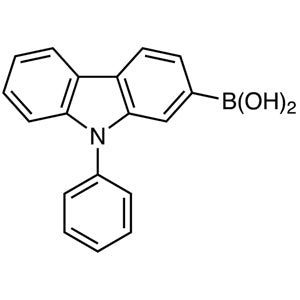
9-Phenylcarbazole-2-boronicAcid(containsvaryingamountsofAnhydride) TCI P2169
Regular price From Rp 530.250,00Regular priceRp 386.400,00Sale price From Rp 530.250,00 -
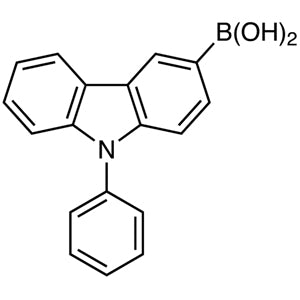
9-Phenylcarbazole-3-boronicAcid(containsvaryingamountsofAnhydride) TCI P2001
Regular price From Rp 1.723.050,00Regular priceRp 1.220.100,00Sale price From Rp 1.723.050,00