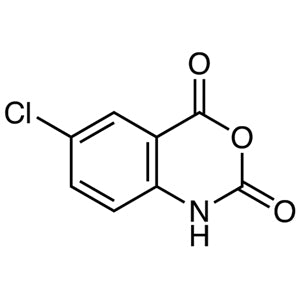
4-Chloroisatoic Anhydride (4-CIA) is a versatile chemical compound widely used in organic laboratory settings. As a heterocyclic building block, it plays a crucial role in the synthesis of complex organic molecules, particularly those containing nitrogen or oxygen atoms. Its anhydride structure makes it highly reactive, enabling it to participate in various chemical transformations such as ester and amide formation. This reactivity is a key factor in its application in synthetic chemistry, where it serves as a valuable intermediate in the development of pharmaceuticals and other advanced chemical products.
The chemical properties of 4-CIA, including its reactivity toward water and organic solvents, make it a preferred choice for chemists working on intricate molecular structures. Its ability to undergo nucleophilic attack and form stable derivatives under controlled conditions enhances its utility in laboratory experiments. Additionally, its role in the synthesis of heterocyclic compounds aligns with the growing demand for compounds used in drug discovery and material science. These properties ensure that 4-CIA remains a reliable and effective reagent in modern chemical research.
In Indonesian laboratories, 4-CIA is commonly used in organic chemistry research, especially in the synthesis of heterocyclic compounds. It is also found in pharmaceutical and biochemical studies, where its reactivity and structural versatility support the development of new drugs and functional materials. Due to its chemical nature, it is essential to handle 4-CIA with care to ensure safety and maintain the integrity of experimental results.
- Organic synthesis of heterocyclic compounds due to its reactive anhydride structure and ability to form esters and amides.
- Pharmaceutical research for the development of new drug molecules requiring complex chemical transformations.
- Biochemical studies involving the synthesis of nitrogen-containing compounds essential for enzyme and protein research.
- Chemical engineering applications in the production of specialty chemicals and polymers.
- Analytical chemistry for the preparation of standard reagents and calibration solutions in spectroscopic and chromatographic methods.
| Brand | TCI |
|---|---|
| CAS number | 40928-13-0 |
| Molecular formula | — |
| Purity | — |
| Category | Chemistry > Building Blocks > Heterocyclic Building Blocks |
| Pack sizes | Available in various quantities as per supplier specifications |
| Physical form | Solid anhydride |
| Storage | Store in a cool, dry place away from moisture and incompatible materials |
4-Chloroisatoic Anhydride should be stored in a cool, dry environment to prevent degradation and maintain its chemical integrity. It is recommended to use airtight containers made of glass or high-density polyethylene to minimize exposure to moisture and air. Due to its corrosive and irritating nature, it should be handled with appropriate personal protective equipment, including gloves, goggles, and a lab coat. In laboratory settings, it is essential to work in a well-ventilated area or fume hood to avoid inhalation of vapors. Proper disposal methods must be followed to ensure compliance with safety and environmental regulations.
—
Produk Terkait
-
5-ChloroisatoicAnhydride TCI C2743
Regular price From Rp 1.856.400,00Regular price -
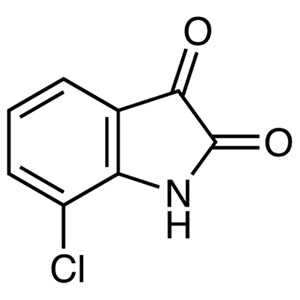
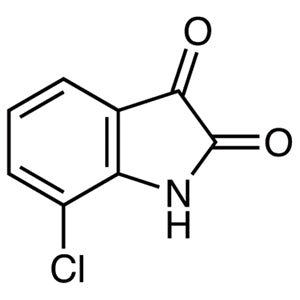
7-Chloroisatin TCI C2840
Regular price From Rp 584.850,00Regular price -
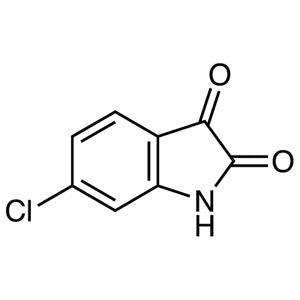
6-Chloroisatin TCI C1871
Regular price From Rp 1.829.100,00Regular price -
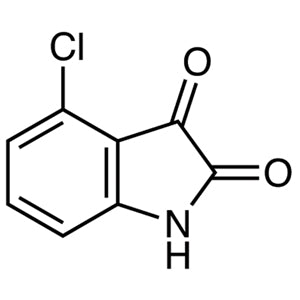
4-Chloroisatin TCI C1870
Regular price From Rp 875.700,00Regular price -
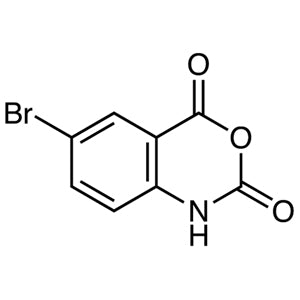
5-BromoisatoicAnhydride TCI B3659
Regular price Rp 3.127.950,00Regular price -
Tetraiodo-2-sulfobenzoicAnhydride TCI T0131
Regular price From Rp 2.809.800,00Regular price -
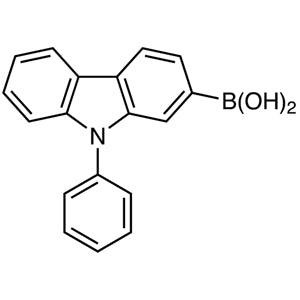
9-Phenylcarbazole-2-boronicAcid(containsvaryingamountsofAnhydride) TCI P2169
Regular price From Rp 477.750,00Regular price -
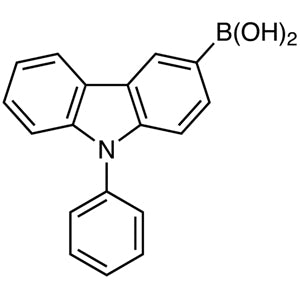
9-Phenylcarbazole-3-boronicAcid(containsvaryingamountsofAnhydride) TCI P2001
Regular price From Rp 1.670.550,00Regular price