Potassium Sulfamate from TCI (CAS 13823-50-2), also called the potassium salt of sulfamic acid, is an inorganic salt in which an amino group is bonded directly to the sulfur atom. TCI lists it under main-group element chemistry, within catalysis and inorganic chemistry. In the laboratory, sulfamate salts provide a water-soluble source of the sulfamate ion for inorganic reactions, electrochemical studies, and analytical procedures. One example is removing nitrite ions, which can interfere with certain analyses or reactions.
Researchers choose potassium sulfamate mainly because the sulfamate ion has a characteristic reactivity. It reacts with nitrous acid and releases nitrogen gas, so it is often used to destroy excess nitrite after a diazotization or before another analyte is determined. The potassium salt dissolves in water and comes as a solid that is easy to weigh accurately. The sulfamate ion is also known from metal plating electrolytes, which makes the compound useful for laboratory-scale electrochemical research. The potassium cation is a practical alternative when researchers want to avoid ammonium or sodium ions in their system.
In Indonesia, potassium sulfamate is useful to inorganic and analytical chemistry laboratories at universities, environmental testing laboratories, and research groups working on electrochemistry or synthetic procedures that involve nitrite chemistry. Teaching laboratories can use it to show how sulfamate reacts with nitrous acid. Research laboratories can include it in method development where nitrite interference needs to be controlled. A reagent from a recognized brand such as TCI helps laboratories keep their procedures consistent and reproducible.
TCI brochures (PDF)
- Metallic Salts 2025-11-06 · p. 11
- Removing excess nitrite after diazotization: the sulfamate ion reacts with nitrous acid and releases nitrogen gas, which clears leftover nitrite from the reaction mixture.
- Controlling nitrite interference in analysis: adding potassium sulfamate before determining another analyte removes nitrite ions that could otherwise disturb the measurement or the results.
- Laboratory-scale electrochemical research: the sulfamate ion is known from metal plating electrolytes, so this salt is a convenient source of sulfamate when studying such electrolyte systems.
- Inorganic reaction studies: as a water-soluble solid, potassium sulfamate is an easy-to-weigh source of the sulfamate ion for exploring main-group element chemistry in aqueous solution.
- Systems that must avoid ammonium or sodium: the potassium cation gives researchers an alternative counter-ion when ammonium or sodium salts would interfere with the chemistry under study.
| Brand | TCI (product code S0164) |
|---|---|
| CAS number | 13823-50-2 |
| Molecular formula | — |
| Purity | — |
| Category | Chemistry > Catalysis and Inorganic Chemistry > Main-group Elements |
| Pack sizes | available in TCI's standard catalog pack sizes; please confirm when ordering |
| Physical form | water-soluble solid |
| Storage | keep tightly closed in a cool, dry place; follow the manufacturer's label and SDS |
Store potassium sulfamate in its original, tightly closed container in a cool, dry, well-ventilated area, away from moisture and incompatible materials such as strong acids and oxidizing agents. Close the container straight after use so the solid does not absorb humidity. Wear standard laboratory protective equipment when handling it, including safety glasses, gloves, and a lab coat. Avoid creating or breathing in dust. Reactions with nitrous acid release nitrogen gas, so carry them out in a fume hood or a well-ventilated space. Always read the manufacturer's Safety Data Sheet before use, and dispose of waste according to institutional and local regulations.
—
Product Categories
- Catalysis and Inorganic ChemistryMain-group Elements [Catalysis and Inorganic Chemistry]Potassium [Catalysis and Inorganic Chemistry]
- Catalysis and Inorganic ChemistryMetallic Salts [Catalysis and Inorganic Chemistry]Sulfamate Salts [Metallic Salts]
- Synthetic ReagentsInorganic Salts [Synthetic Reagents]
Produk Terkait
-
SodiumSulfamate TCI S0118
Regular price From Rp 505.050,00Regular priceRp 352.800,00Sale price From Rp 505.050,00 -
Nickel(II)SulfamateTetrahydrate TCI N1270
Regular price Rp 1.035.300,00Regular priceRp 723.450,00Sale price Rp 1.035.300,00 -
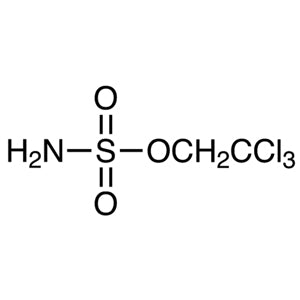
2,2,2-TrichloroethylSulfamate TCI T2646
Regular price From Rp 980.700,00Regular priceRp 701.400,00Sale price From Rp 980.700,00 -
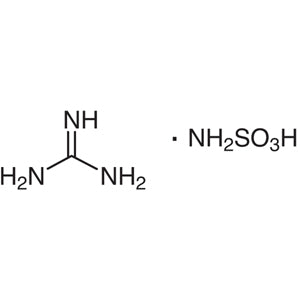
GuanidineSulfamate TCI G0022
Regular price From Rp 557.550,00Regular priceRp 405.300,00Sale price From Rp 557.550,00 -
PotassiumPhosphateHydrate TCI T3998
Regular price From Rp 530.250,00Regular priceRp 386.400,00Sale price From Rp 530.250,00 -
PotassiumBromide TCI P1747
Regular price Rp 477.750,00Regular priceRp 333.900,00Sale price Rp 477.750,00 -
PotassiumIodide TCI P1721
Regular price From Rp 425.250,00Regular priceRp 775.950,00Sale price From Rp 425.250,00Sale -
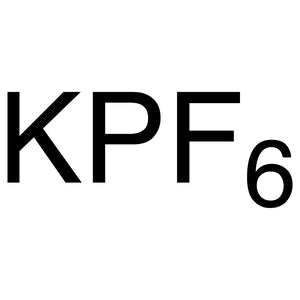
PotassiumHexafluorophosphate TCI P1023
Regular price From Rp 689.850,00Regular priceRp 481.950,00Sale price From Rp 689.850,00