p-Sexiphenyl from TCI is an oligophenylene made of six benzene rings linked in a straight line at the para positions. This gives a rigid, rod-shaped molecule with a long conjugated pi-electron system. It is classed as a non-heterocyclic building block, but its main role is in organic electronics and materials science. Laboratories use p-sexiphenyl as a model organic semiconductor and a blue light-emitting material. It is also used to study how molecular thin films grow on different substrate surfaces.
Researchers choose p-sexiphenyl because its structure is simple, symmetrical and clearly defined. This makes it a good reference system for understanding how molecular arrangement relates to optoelectronic properties. The rod-shaped molecules tend to self-assemble in an orderly way. Vacuum vapor deposition can turn them into crystalline layers or nanofibers. The extended conjugation produces blue photoluminescence. Solubility in common solvents is very low, so the material is usually processed by sublimation or thermal evaporation rather than from solution.
In Indonesia, research in organic electronics, solar cells and photonic materials keeps growing at universities and research institutes. University materials science, physics and chemistry groups use p-sexiphenyl to study thin-film deposition, molecular self-assembly and the optical behavior of conjugated systems. It also supports teaching and thesis projects on organic semiconductor fundamentals. Because it is a well-characterized reference compound, results can be compared with the international literature. That makes it a practical choice for groups setting up new organic electronics research.
TCI brochures (PDF)
- Organic Transistor (OFET) Materials 2026-05-07 · p. 10
- Nanocarbon Materials 2026-09-30 · p. 9
- Model organic semiconductor studies: The simple, symmetrical and well-defined rod-shaped structure makes p-sexiphenyl a clear reference system for studying charge transport and structure–property relationships in conjugated materials.
- Blue light-emitting material research: Its long conjugated pi-electron system gives blue photoluminescence, which suits the study of emissive layers and the optical behavior of organic light-emitting materials.
- Molecular thin-film growth on substrates: The rigid rod-shaped molecules self-assemble in an orderly way, so researchers use them to study how thin films nucleate and grow on different substrate surfaces.
- Nanofiber and crystalline layer fabrication: Vacuum vapor deposition can turn p-sexiphenyl into crystalline layers or nanofibers, which makes it useful for studying organized organic nanostructures and their anisotropic optical properties.
- Vacuum deposition and sublimation process development: Its very low solubility in common solvents means it is processed by sublimation or thermal evaporation, making it a practical test material for these techniques.
| Brand | TCI |
|---|---|
| CAS number | 4499-83-6 |
| Molecular formula | — |
| Purity | — |
| Category | Chemistry > Building Blocks > Non-Heterocyclic Building Blocks |
| Pack sizes | Available in TCI's standard pack sizes; see the product listing for the options offered |
| Physical form | Solid material with very low solubility in common solvents; store as directed on the TCI label and safety data sheet |
| Storage | — |
- Product code: S0220
Store p-sexiphenyl in its original tightly closed container in a cool, dry, well-ventilated place, away from direct light, heat and incompatible substances. Follow the storage conditions on the TCI label and safety data sheet. Keep the container sealed when not in use to limit contamination from moisture and dust, which is especially important for thin-film and optoelectronic work where purity affects results. Handle the material in a clean area or fume hood. Wear suitable personal protective equipment, including gloves, safety glasses and a lab coat. Avoid creating or breathing in dust. Clean up spills promptly and dispose of waste according to local regulations and institutional laboratory safety procedures.
—
Product Categories
Produk Terkait
-
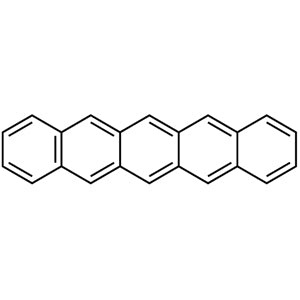
Pentacene(purifiedbysublimation) TCI P0030
Regular price From Rp 1.087.800,00Regular priceRp 760.200,00Sale price From Rp 1.087.800,00 -
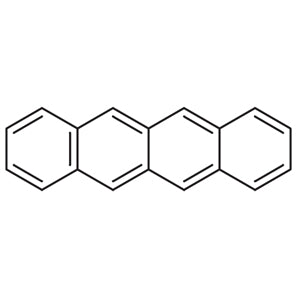
Naphthacene(purifiedbysublimation) TCI N0951
Regular price From Rp 2.439.150,00Regular priceRp 1.705.200,00Sale price From Rp 2.439.150,00 -
Naphthacene TCI N0001
Regular price From Rp 980.700,00Regular priceRp 685.650,00Sale price From Rp 980.700,00 -
5,10-Dihydroindeno[2,1-a]indene TCI D3191
Regular price Rp 4.347.000,00Regular priceRp 3.039.750,00Sale price Rp 4.347.000,00 -
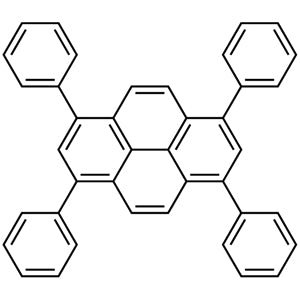
1,3,6,8-Tetraphenylpyrene TCI T3042
Regular price From Rp 2.837.100,00Regular priceRp 1.983.450,00Sale price From Rp 2.837.100,00 -
Anthracene TCI A0495
Regular price From Rp 584.850,00Regular priceRp 408.450,00Sale price From Rp 584.850,00 -
Acenaphthylene TCI A0005
Regular price From Rp 769.650,00Regular priceRp 537.600,00Sale price From Rp 769.650,00 -
Triphenylene(purifiedbysublimation) TCI T3267
Regular price From Rp 3.367.350,00Regular priceRp 2.354.100,00Sale price From Rp 3.367.350,00