


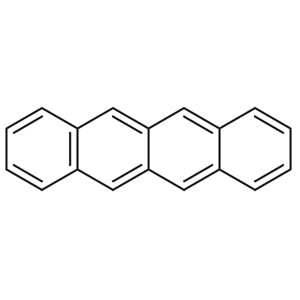
Naphthacene TCI N0001 is a chemical compound widely used in laboratory settings for its structural versatility and reactivity. As a building block in organic chemistry, it plays a crucial role in the synthesis of complex molecules and the study of molecular structures. Its simple yet fundamental structure allows it to serve as a precursor in various chemical reactions, making it an essential component in both academic and industrial research. This compound is particularly valuable for its ability to participate in a wide range of chemical transformations, enabling scientists to explore new synthetic pathways and material properties.
The chemical properties of Naphthacene make it a preferred choice for laboratory use. It exhibits stability under certain conditions while remaining reactive enough to engage in diverse chemical interactions. This balance of stability and reactivity allows researchers to manipulate its behavior in controlled environments. Additionally, its thermal stability ensures that it remains effective even in high-temperature applications. These characteristics make it a reliable and versatile reagent for a variety of experimental setups.
In Indonesian laboratories, Naphthacene is commonly used in scientific research across multiple disciplines, including organic chemistry, pharmaceutical development, and materials science. Its relevance extends to educational institutions and research centers aiming to advance knowledge in complex chemical systems and their practical applications. The compound’s role in these contexts underscores its importance as a foundational material in chemical experimentation.
TCI brochures (PDF)
- Organic Transistor (OFET) Materials 2026-05-07 · p. 15
- Nanocarbon Materials 2026-09-30 · p. 8
- Solar Cell Materials 2026-04-21 · p. 11
Related TCI products
- TCI N0951 92-24-0 Naphthacene (purified by sublimation)
- TCI P0030 135-48-8 Pentacene (purified by sublimation)
- TCI T2233 517-51-1 5,6,11,12-Tetraphenylnaphthacene (purified by sublimation)
- TCI T0561 517-51-1 5,6,11,12-Tetraphenylnaphthacene
- TCI N1173 92-24-0 Naphthacene [for organic electronics]
- TCI S0220 4499-83-6 p-Sexiphenyl
- Organic synthesis experiments benefit from Naphthacene’s structural versatility, allowing the creation of complex aromatic compounds.
- Pharmaceutical research utilizes Naphthacene to explore molecular reactivity and stability in drug development processes.
- Material science applications leverage its thermal and chemical stability for the synthesis of advanced functional materials.
- Structural analysis studies use Naphthacene to investigate molecular frameworks and bonding patterns in chemical compounds.
- Educational institutions incorporate Naphthacene into curriculum-based experiments to teach fundamental chemical reaction mechanisms.
| Brand | TCI |
|---|---|
| CAS number | 92-24-0 |
| Molecular formula | — |
| Purity | — |
| Category | Chemistry > Building Blocks > Non-Heterocyclic Building Blocks |
| Pack sizes | Available in standard laboratory quantities |
| Physical form | Solid |
| Storage | Store in a cool, dry place away from direct sunlight |
Naphthacene should be stored in a cool, dry environment to maintain its chemical integrity. It is recommended to keep the compound in a sealed container to prevent exposure to moisture and air. Due to its reactivity, it should be handled in a well-ventilated area, ideally within a fume hood, to minimize inhalation risks. Avoid contact with incompatible substances such as strong oxidizers or acids. Proper personal protective equipment, including gloves and safety goggles, should always be worn when handling this material. Regular monitoring of storage conditions ensures the compound remains stable and safe for use in laboratory settings.
—
Product Categories
Produk Terkait
-
Naphthacene(purifiedbysublimation) TCI N0951
Regular price From Rp 2.439.150,00Regular priceRp 1.705.200,00Sale price From Rp 2.439.150,00 -
Pentacene(purifiedbysublimation) TCI P0030
Regular price From Rp 1.087.800,00Regular priceRp 760.200,00Sale price From Rp 1.087.800,00 -
5,6,11,12-Tetraphenylnaphthacene(purifiedbysublimation) TCI T2233
Regular price From Rp 2.279.550,00Regular priceRp 1.593.900,00Sale price From Rp 2.279.550,00 -
5,6,11,12-Tetraphenylnaphthacene TCI T0561
Regular price From Rp 1.008.000,00Regular priceRp 704.550,00Sale price From Rp 1.008.000,00 -
Naphthacene[fororganicelectronics] TCI N1173
Regular price From Rp 2.942.100,00Regular priceRp 2.056.950,00Sale price From Rp 2.942.100,00 -
p-Sexiphenyl TCI S0220
Regular price From Rp 4.718.700,00Regular priceRp 3.299.100,00Sale price From Rp 4.718.700,00 -
ZincPhthalocyanine(purifiedbysublimation) TCI Z0037
Regular price Rp 4.954.950,00Regular priceRp 3.480.750,00Sale price Rp 4.954.950,00 -
alpha-Septithiophene TCI S0505
Regular price Rp 3.975.300,00Regular priceRp 2.795.100,00Sale price Rp 3.975.300,00


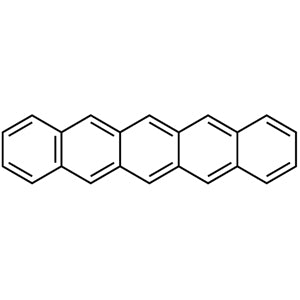


![92-24-0 Naphthacene [for organic electronics] - AMI Scientific](http://amiscientific.com/cdn/shop/files/TCI2510N1173.jpg?v=1768362169&width=533)


