Sulfanilamide is a chemical compound widely used in analytical chemistry, particularly in the diazotization process. It serves as a key reagent in titration methods to determine the concentration of nitrogen-containing compounds. In the laboratory, sulfanilamide is essential for both qualitative and quantitative analysis of substances such as ascorbic acid, acetic acid, and other nitrogen-containing compounds. Its ability to react under specific conditions makes it a vital component in chemical analysis.
The chemical properties of sulfanilamide make it a preferred choice for analytical applications. It exhibits high purity and consistency, ensuring reliable and accurate results in laboratory testing. Its stability in chemical reactions and effectiveness in acidic environments further enhance its utility. These characteristics make it suitable for use in diazotization reactions that require precise and controlled conditions.
In Indonesian laboratories, sulfanilamide is commonly used in research and testing across analytical chemistry and pharmaceutical fields. It plays a crucial role in various analytical procedures, contributing to the accuracy and reliability of experimental outcomes. Its widespread use highlights its importance in both academic and industrial laboratory settings.
Related TCI products
- TCI A5010 68504-35-8 Sulfonazo III [Spectrophotometric reagent for alkaline earth metals and indicator for the precipitation titration of SO4 with Ba]
- TCI A5008 14979-11-4 Dimethylsulfonazo III [Spectrophotometric reagent for alkaline earth metals and indicator for the precipitation titration of SO4 with Ba]
- TCI S0833 63-74-1 Sulfanilamide [for Biochemical Research]
- TCI S0119 63-74-1 Sulfanilamide
- TCI T0041 2052-49-5 Tetrabutylammonium Hydroxide (10% in Methanol) [for non-aqueous titration]
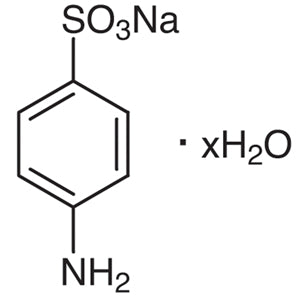
- TCI S0832 123333-70-0 Sodium Sulfanilate Hydrate [for Biochemical Research]
- Diazotization Titration – Sulfanilamide is ideal for diazotization reactions due to its reactivity under acidic conditions and its role in forming diazonium salts.
- Nitrogen Content Analysis – Its ability to react with nitrogen-containing compounds makes it suitable for determining the nitrogen content in various samples.
- Qualitative Analysis – Sulfanilamide is used in qualitative tests to identify the presence of specific nitrogen compounds in a sample.
- Pharmaceutical Testing – It is commonly used in the analysis of drugs and pharmaceutical compounds that contain nitrogen.
- Acidic Environment Reactions – Its stability and effectiveness in acidic conditions make it suitable for a range of chemical reactions requiring such environments.
| Brand | TCI |
|---|---|
| CAS number | 63-74-1 |
| Molecular formula | — |
| Purity | — |
| Category | Analytical Chemistry > Analytical Reagents > Titration Reagents |
| Pack sizes | Available in various quantities as per standard laboratory requirements |
| Physical form | Solid powder |
| Storage | Store in a cool, dry place away from direct sunlight and moisture |
Sulfanilamide should be stored in a cool, dry place, away from direct sunlight and moisture to maintain its chemical stability. It is recommended to use airtight containers to prevent exposure to air and humidity. Due to its chemical nature, it should be handled with care, using appropriate personal protective equipment such as gloves and safety goggles. Avoid contact with skin and eyes, and ensure proper ventilation when working with this compound. It is important to store it separately from strong oxidizing agents to prevent any potential chemical reactions. Always follow standard laboratory safety protocols when handling and storing sulfanilamide.
—
Produk Terkait
-
SulfonazoIII[SpectrophotometricreagentforalkalineearthmetalsandindicatorfortheprecipitationtitrationofSO4withBa] TCI A5010
Regular price From Rp 1.193.850,00Regular priceRp 834.750,00Sale price From Rp 1.193.850,00 -
DimethylsulfonazoIII[SpectrophotometricreagentforalkalineearthmetalsandindicatorfortheprecipitationtitrationofSO4withBa] TCI A5008
Regular price From Rp 2.094.750,00Regular priceRp 1.464.750,00Sale price From Rp 2.094.750,00 -
Sulfanilamide[forBiochemicalResearch] TCI S0833
Regular price Rp 1.113.000,00Regular priceRp 793.800,00Sale price Rp 1.113.000,00 -
Sulfanilamide TCI S0119
Regular price From Rp 557.550,00Regular priceRp 405.300,00Sale price From Rp 557.550,00 -
TetrabutylammoniumHydroxide(10%inMethanol)[fornon-aqueoustitration] TCI T0041
Regular price From Rp 1.881.600,00Regular priceRp 1.331.400,00Sale price From Rp 1.881.600,00 -
SodiumSulfanilateHydrate[forBiochemicalResearch] TCI S0832
Regular price Rp 875.700,00Regular priceRp 612.150,00Sale price Rp 875.700,00 -
SodiumSulfanilateHydrate TCI S0121
Regular price Rp 955.500,00Regular priceRp 667.800,00Sale price Rp 955.500,00 -
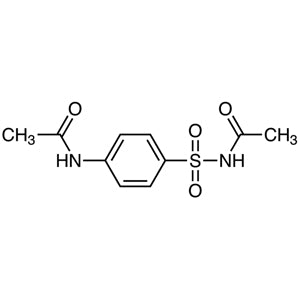
N,N'-Diacetylsulfanilamide TCI D1773
Regular price From Rp 1.167.600,00Regular priceRp 831.600,00Sale price From Rp 1.167.600,00