Alpha-Sexithiophene is an organic compound widely used in electronic materials research, particularly in the development of organic photovoltaic (OPV) cells. This material plays a crucial role in laboratory settings by serving as an active component in the fabrication of organic solar cell layers. Its conjugated molecular structure, composed of six thiophene units, enables efficient electron transport and light absorption, making it essential for energy conversion processes. Due to its unique chemical properties, it is a key material in advanced material science applications.
The compound is preferred for its chemical stability and high purity, which ensure consistent and reliable experimental results. Its ability to maintain structural integrity under various processing conditions simplifies synthesis and characterization procedures. Additionally, its high purity level allows for precise experimental outcomes, making it a trusted choice for researchers. The material’s predictable behavior and compatibility with standard laboratory techniques further enhance its appeal in scientific research.
In Indonesian laboratories, alpha-sexithiophene is commonly used in academic and research institutions focused on renewable energy technologies. It supports the development of next-generation solar cell materials, contributing to advancements in sustainable energy solutions. Its availability and performance make it a standard component in OPV material research across the country.
TCI brochures (PDF)
- Organic Transistor (OFET) Materials 2026-05-07 · p. 10
- Chemical Compounds Purified by Sublimation 2025-05-07 · p. 4
- Solar Cell Materials 2026-04-21 · p. 11
- Thiophenes 2026-06-29 · p. 15
Related TCI products
- TCI Z0037 14320-04-8 Zinc Phthalocyanine (purified by sublimation)
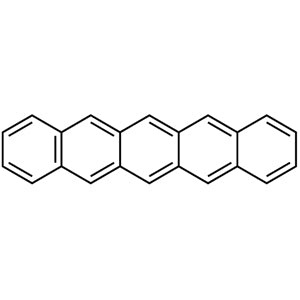
- TCI P0030 135-48-8 Pentacene (purified by sublimation)
- TCI N0951 92-24-0 Naphthacene (purified by sublimation)
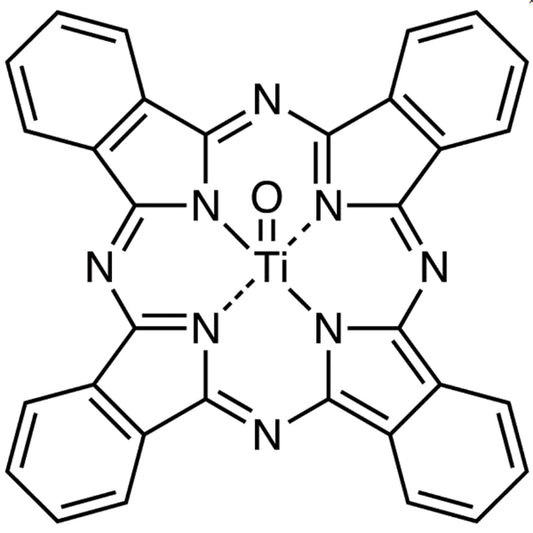
- TCI T2272 26201-32-1 Titanyl Phthalocyanine (purified by sublimation)
- TCI T2233 517-51-1 5,6,11,12-Tetraphenylnaphthacene (purified by sublimation)
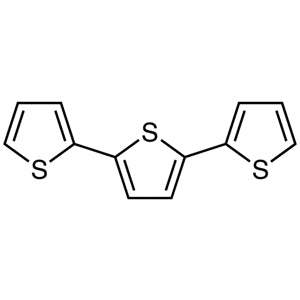
- TCI T1196 1081-34-1 2,2':5',2''-Terthiophene (purified by sublimation)
- Organic Photovoltaic (OPV) Cell Development: Alpha-sexithiophene is used to create active layers in OPV cells due to its conjugated structure and efficient electron transport properties.
- Material Characterization Studies: Its high purity and chemical stability make it ideal for spectroscopic and electrochemical analysis in material science research.
- Thin Film Fabrication: The compound is suitable for spin-coating and vapor deposition techniques to produce high-quality thin films for solar cell applications.
- Semiconductor Device Research: Its electronic properties are valuable in the study of organic semiconductors and their integration into electronic devices.
- Energy Conversion Efficiency Testing: Alpha-sexithiophene is used to evaluate the performance of organic materials in converting light to electrical energy.
| Brand | TCI |
|---|---|
| CAS number | 88493-55-4 |
| Molecular formula | — |
| Purity | — |
| Category | Materials Science > Electronic Materials > Organic Solar Cell (OPV) Materials |
| Pack sizes | As per supplier specifications |
| Physical form | Solid |
| Storage | Store in a cool, dry place away from light |
Alpha-sexithiophene should be stored in a cool, dry environment, away from direct light and moisture. It is recommended to use airtight containers to prevent exposure to air and humidity, which could affect its chemical stability. Due to its organic nature, it should be handled with appropriate personal protective equipment, such as gloves and safety goggles, to ensure laboratory safety. The material is generally non-hazardous but should be stored separately from incompatible substances. Proper labeling and storage conditions are essential to maintain its integrity and ensure safe handling in laboratory environments.
—
Product Categories
- Electronic MaterialsOrganic Solar Cell (OPV) MaterialsDonor Materials [Organic Solar Cell (OPV) Materials]
- Electronic MaterialsOrganic Transistor (OFET) Materialsp-Type Organic Semiconductors [Organic Transistor (OFET) Materials]
- High Purity CompoundsCompounds Purified by SublimationOrganic Semiconductors [Compounds Purified by Sublimation]
Produk Terkait
-
ZincPhthalocyanine(purifiedbysublimation) TCI Z0037
Regular price Rp 4.954.950,00Regular priceRp 3.480.750,00Sale price Rp 4.954.950,00 -
Pentacene(purifiedbysublimation) TCI P0030
Regular price From Rp 1.087.800,00Regular priceRp 760.200,00Sale price From Rp 1.087.800,00 -
Naphthacene(purifiedbysublimation) TCI N0951
Regular price From Rp 2.439.150,00Regular priceRp 1.705.200,00Sale price From Rp 2.439.150,00 -
TitanylPhthalocyanine(purifiedbysublimation) TCI T2272
Regular price From Rp 2.702.700,00Regular priceRp 1.905.750,00Sale price From Rp 2.702.700,00 -
5,6,11,12-Tetraphenylnaphthacene(purifiedbysublimation) TCI T2233
Regular price From Rp 2.279.550,00Regular priceRp 1.593.900,00Sale price From Rp 2.279.550,00 -
2,2':5',2''-Terthiophene(purifiedbysublimation) TCI T1196
Regular price From Rp 2.252.250,00Regular priceRp 1.590.750,00Sale price From Rp 2.252.250,00 -
Pentacene(99999%,tracemetalsbasis)(purifiedbysublimation)[fororganicelectronics] TCI P2524
Regular price From Rp 1.405.950,00Regular priceRp 982.800,00Sale price From Rp 1.405.950,00 -
Picene(purifiedbysublimation)(>99.9%) TCI P2207
Regular price From Rp 4.347.000,00Regular priceRp 3.039.750,00Sale price From Rp 4.347.000,00