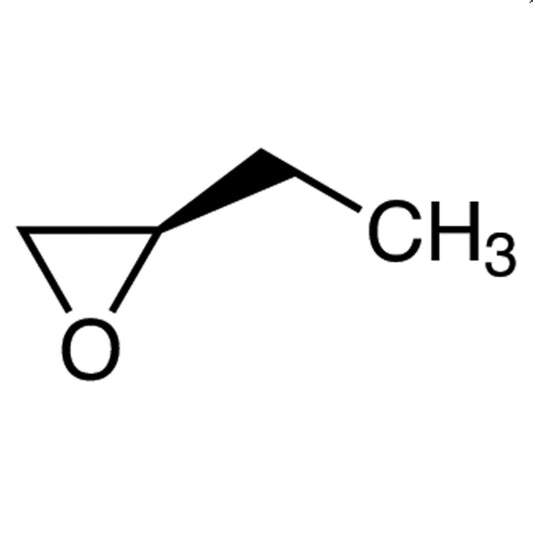
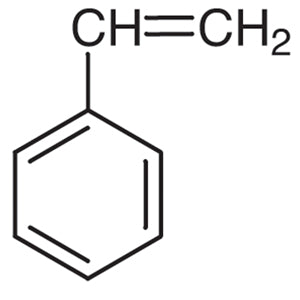
(R)-Styrene Oxide is a chiral building block essential in asymmetric synthesis, playing a critical role in the creation of molecules with specific stereochemical configurations. This compound is widely used in chemical laboratories to develop compounds with defined biological activities. Its importance lies in its ability to provide a stereochemical foundation for the synthesis of complex organic molecules. Due to its structural stability and reactivity, it is a valuable tool in the hands of researchers working on advanced chemical processes.
The compound's unique properties make it a preferred choice in synthetic chemistry. Its chiral nature allows for precise control over the stereochemistry of the final product, which is crucial in pharmaceutical and biochemical research. (R)-Styrene Oxide is known for its participation in asymmetric reactions such as epoxidation and reduction, enabling the formation of compounds with specific configurations. These characteristics make it an indispensable component in the development of new therapeutic agents and industrial chemicals.
In Indonesian laboratories, (R)-Styrene Oxide is commonly used in scientific research across various disciplines, including pharmacology, biochemistry, and organic chemistry. Its availability in the local market supports the growth of research initiatives focused on drug development and innovative chemical applications. Its role in creating molecules with specific biological activities underscores its significance in both academic and industrial settings.
TCI brochures (PDF)
- Epoxide Monomers 2025-09-19 · p. 4
- Chiral Building Blocks 2025-04-14 · p. 12
- Asymmetric Synthesis: (R)-Styrene Oxide is ideal for asymmetric synthesis due to its chiral nature, enabling the creation of molecules with specific stereochemical configurations.
- Pharmaceutical Research: The compound is widely used in drug development to synthesize compounds with defined biological activities and therapeutic potential.
- Organic Chemistry Studies: It serves as a key reagent in organic chemistry experiments, particularly in reactions involving epoxidation and reduction.
- Biochemical Investigations: Its role in creating chiral molecules makes it valuable for studying enzyme mechanisms and molecular interactions.
- Industrial Chemical Development: The compound is used in the production of specialty chemicals with specific functional properties for industrial applications.
| Brand | TCI |
|---|---|
| CAS number | 20780-53-4 |
| Molecular formula | — |
| Purity | — |
| Category | Chemistry > Asymmetric Synthesis > Chiral Building Blocks |
| Pack sizes | Available in various quantities as per supplier specifications |
| Physical form | Liquid |
| Storage | Store in a cool, dry place away from light and incompatible materials |
(R)-Styrene Oxide should be stored in a cool, dry environment, away from direct sunlight and sources of heat. It is recommended to keep the compound in a tightly sealed container to prevent exposure to air and moisture. Due to its chemical nature, it should be stored separately from strong oxidizing agents and incompatible substances. In laboratory settings, proper ventilation and personal protective equipment should be used when handling the compound. Regular monitoring of storage conditions is essential to maintain its stability and ensure safe usage. Always follow standard laboratory safety protocols to minimize risks associated with its handling.
—
Produk Terkait
-
(S)-StyreneOxide TCI S0517
Regular price From Rp 2.254.350,00Regular priceRp 1.576.050,00Sale price From Rp 2.254.350,00 -
(S)-(-)-ButyleneOxide TCI B3833
Regular price From Rp 2.916.900,00Regular priceRp 2.039.100,00Sale price From Rp 2.916.900,00 -
(R)-(+)-ButyleneOxide TCI B3832
Regular price From Rp 2.889.600,00Regular priceRp 2.020.200,00Sale price From Rp 2.889.600,00 -
(R)-(+)-PropyleneOxide TCI P1396
Regular price From Rp 1.220.100,00Regular priceRp 852.600,00Sale price From Rp 1.220.100,00 -
StyreneOxide TCI E0013
Regular price From Rp 477.750,00Regular priceRp 333.900,00Sale price From Rp 477.750,00 -
Styrene(stabilizedwithTBC) TCI S0095
Regular price Rp 477.750,00Regular priceRp 333.900,00Sale price Rp 477.750,00 -
Poly(tert-ButylAcrylate)-block-Poly(styrene)(Copolymer,10:25) TCI P2555
Regular price Rp 2.411.850,00Regular priceRp 1.702.050,00Sale price Rp 2.411.850,00 -
Poly(tert-ButylAcrylate)-block-Poly(styrene)(Copolymer,10:11) TCI P2554
Regular price Rp 2.411.850,00Regular priceRp 1.702.050,00Sale price Rp 2.411.850,00