Sumatriptan Succinate TCI S0851 is a chemical compound widely used in pharmaceutical research and biochemical studies. As a derivative of sumatriptan, it plays a crucial role in the development of migraine treatments and related therapeutic applications. In the laboratory, it serves as a key reagent for experimental studies aimed at understanding the pharmacological mechanisms of migraine relief. Its chemical stability and compatibility with various analytical techniques make it an essential tool for researchers. This compound is frequently utilized in drug development programs to test the efficacy and safety of new formulations.
One of the main reasons Sumatriptan Succinate is preferred is its high purity and solubility in organic solvents, which ensures consistent results in experiments. Its reactivity allows it to participate in specific chemical reactions, making it suitable for a wide range of biochemical assays. Additionally, its non-toxic nature and ease of handling in controlled laboratory environments contribute to its popularity among researchers. These properties make it an ideal choice for both academic and industrial research settings.
In Indonesian laboratories, Sumatriptan Succinate is commonly used in studies related to migraine treatment, drug development, and preclinical testing. It is also employed in research focused on the biological effects of pharmaceutical compounds on different body systems. Its availability and reliability have made it a standard reagent in many research facilities across the country, supporting both basic and applied scientific investigations.
TCI brochures (PDF)
- Pharmaceutical Ingredients for Research and Experimental Use 2026-03-09 · p. 30
- Migraine Research – Sumatriptan Succinate is used to study the pharmacological mechanisms of migraine treatment and the effectiveness of new therapeutic agents.
- Drug Development – It is a key reagent in the formulation and testing of new pharmaceutical compounds for migraine and related neurological conditions.
- Pharmacological Testing – This compound supports the evaluation of drug interactions and bioavailability in experimental models.
- Biochemical Analysis – Its stability and solubility make it suitable for use in various analytical techniques such as HPLC and spectroscopy.
- Preclinical Studies – It is commonly used in laboratory-based preclinical trials to assess the safety and efficacy of potential new medications.
| Brand | TCI |
|---|---|
| CAS number | 103628-48-4 |
| Molecular formula | — |
| Purity | — |
| Category | Life Science > Biochemicals and Reagents > Pharmaceutical Research Reagents |
| Pack sizes | Available in various quantities as per standard laboratory reagent packaging |
| Physical form | Solid powder (as per typical reagent specifications) |
| Storage | Store in a cool, dry place away from direct sunlight and moisture |
Sumatriptan Succinate should be stored in a cool, dry place, away from direct sunlight and moisture to maintain its chemical stability. It is recommended to use airtight containers to prevent exposure to humidity and contaminants. Due to its solubility in organic solvents, it should be handled in a well-ventilated area to avoid inhalation of vapors. Proper personal protective equipment, such as gloves and safety goggles, should be worn during handling to ensure laboratory safety. This compound is non-toxic under normal conditions, but standard laboratory safety protocols should still be followed to minimize any potential risks. Its compatibility with various analytical methods ensures its reliability in experimental settings.
—
Product Categories
- Biochemicals and ReagentsPharmaceutical Research Reagents (for Experimental Use)Neurotransmitter Agent Ingredients (for Research and Experimental Use)
- Biochemicals and Reagents
- Pharmaceutical Development and Drug Discovery ResearchPharmaceutical Research Reagents (for Experimental Use)Neurotransmitter Agent Ingredients (for Research and Experimental Use)
Produk Terkait
-
SolifenacinSuccinate TCI S0944
Regular price From Rp 1.538.250,00Regular priceRp 1.090.950,00Sale price From Rp 1.538.250,00 -
Zolmitriptan TCI Z0024
Regular price From Rp 1.776.600,00Regular priceRp 1.257.900,00Sale price From Rp 1.776.600,00 -
RizatriptanBenzoate TCI R0181
Regular price From Rp 822.150,00Regular priceRp 590.100,00Sale price From Rp 822.150,00 -
TafenoquineSuccinate TCI T4392
Regular price Rp 8.240.400,00Regular priceRp 5.778.150,00Sale price Rp 8.240.400,00 -
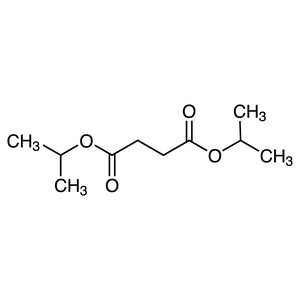
DiisopropylSuccinate TCI S0269
Regular price From Rp 1.326.150,00Regular priceRp 942.900,00Sale price From Rp 1.326.150,00 -
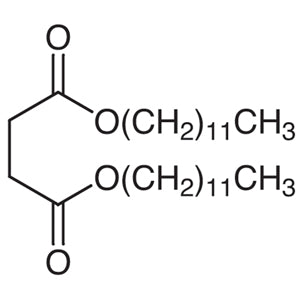
DidodecylSuccinate TCI S0255
Regular price Rp 1.246.350,00Regular priceRp 887.250,00Sale price Rp 1.246.350,00 -
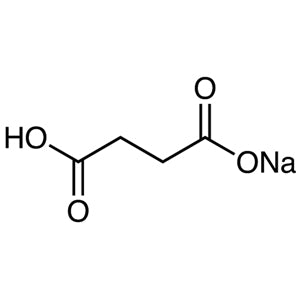
MonosodiumSuccinate TCI S0106
Regular price From Rp 1.008.000,00Regular priceRp 720.300,00Sale price From Rp 1.008.000,00