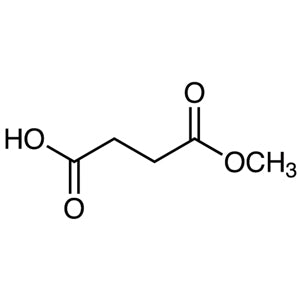
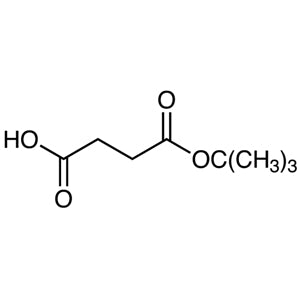
Didodecyl Succinate (DDS) is a chemical compound widely used in laboratory settings, particularly in organic synthesis and chemical formulation processes. As a key building block in chemical research, DDS serves as a foundational component for the development of more complex molecules. Its molecular structure provides versatility in chemical reactions, making it an essential reagent for various synthetic pathways. This compound is favored for its stability and reactivity, enabling it to perform consistently under different experimental conditions. Its reliability and effectiveness make it a go-to choice for researchers and chemists seeking a dependable chemical intermediate.
DDS is preferred due to its chemical stability and favorable reactivity profile. It maintains its integrity under normal laboratory conditions, ensuring consistent performance in experiments. Its non-toxic nature and biodegradability also contribute to its safety and environmental friendliness, aligning with modern laboratory standards. These properties make DDS a versatile and safe option for a wide range of chemical applications. Its ability to withstand various reaction conditions without significant degradation further enhances its utility in both academic and industrial research environments.
In Indonesian laboratories, DDS is commonly used in chemical research, product formulation, and the development of new materials. It supports academic institutions, research organizations, and industries that require high-quality chemical building blocks. The availability of DDS helps meet local research needs and enhances the availability of essential chemical resources. Its role in advancing scientific innovation and practical applications makes it a valuable asset in the Indonesian scientific community.
- Organic synthesis where DDS acts as a versatile building block for creating complex molecular structures.
- Formulation of chemical products that require stable and reactive intermediates for industrial applications.
- Development of new materials in research settings where chemical reactivity and stability are critical.
- Chemical research projects that require reliable and consistent reagents for reproducible results.
- Educational laboratories that use DDS for teaching and demonstrating chemical reaction mechanisms.
| Brand | TCI |
|---|---|
| CAS number | 5980-15-4 |
| Molecular formula | — |
| Purity | — |
| Category | Chemistry > Building Blocks > Non-Heterocyclic Building Blocks |
| Pack sizes | Available in standard laboratory quantities as per supplier specifications |
| Physical form | Solid or liquid, depending on manufacturer specifications |
| Storage | Store in a cool, dry place away from direct sunlight and moisture |
Didodecyl Succinate should be stored in a cool, dry environment to maintain its chemical stability. It is recommended to keep the compound in a sealed container to prevent moisture absorption and contamination. Avoid exposure to direct sunlight and extreme temperatures to ensure long-term preservation. Proper ventilation is essential when handling the material to minimize inhalation risks. Keep the substance away from incompatible materials such as strong acids or bases. Always use appropriate personal protective equipment, including gloves and safety goggles, when handling or working with DDS to ensure laboratory safety.
—
Produk Terkait
-
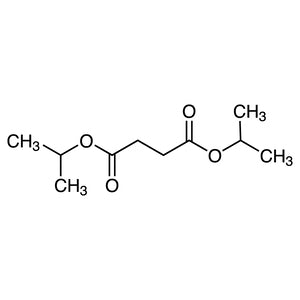
DiisopropylSuccinate TCI S0269
Regular price From Rp 1.273.650,00Regular price -
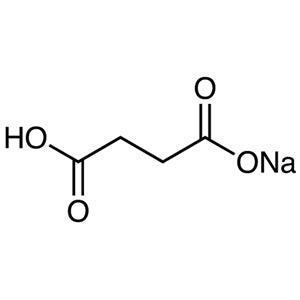
MonosodiumSuccinate TCI S0106
Regular price From Rp 955.500,00Regular price -
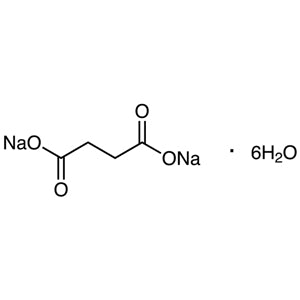
DisodiumSuccinateHexahydrate TCI S0105
Regular price From Rp 477.750,00Regular price -
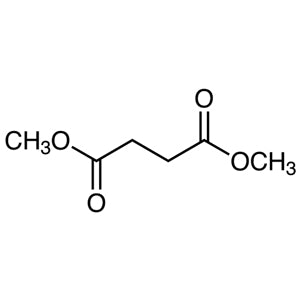
DimethylSuccinate TCI S0104
Regular price From Rp 477.750,00Regular price -
MonomethylSuccinate TCI M3262
Regular price From Rp 1.670.550,00Regular price -
Mono-tert-butylSuccinate TCI M3033
Regular price Rp 795.900,00Regular price -
Bis(2-ethylhexyl)Succinate TCI D6481
Regular price Rp 7.129.500,00Regular price -
DidodecylHydrogenPhosphate TCI P1068
Regular price From Rp 2.386.650,00Regular price