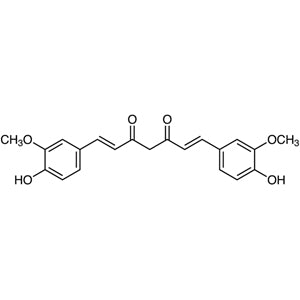
Sodium Valproate is a chemical compound widely used in pharmacological and biochemical research. It plays a crucial role in laboratories conducting experiments related to pharmaceuticals, especially in studies involving anticonvulsant drugs. This compound is essential for investigating the pharmacological effects and mechanisms of action of drugs on the nervous system. Its versatility makes it a valuable tool in both basic and applied research settings.
Sodium Valproate is chemically stable and readily soluble in organic solvents such as ethyl acetate and ethanol. These properties make it suitable for various chemical reactions and separation processes. Its non-mercurial and non-toxic nature under normal conditions ensures a relatively safe working environment in laboratories. This safety profile contributes to its popularity as a preferred reagent in high-security research applications.
In Indonesian laboratories, Sodium Valproate is commonly used in scientific research conducted by both academic institutions and research organizations. Its application spans a wide range of experimental studies, including drug development, toxicity testing, and biochemical analysis. Its reliability and consistent performance make it a trusted choice for researchers in the pharmaceutical and life sciences fields.
TCI brochures (PDF)
- Calcium Signaling Research Reagents 2025-05-26 · p. 1
- Epigenetics Research Reagents 2024-11-22 · p. 1
- Regenerative Medicine Research Reagents 2016-03-18 · p. 2
- Cancer Research Reagents 2025-04-01 · p. 8
- Pharmaceutical Ingredients for Research and Experimental Use 2026-03-09 · p. 30
- Reagents for Biological Research 2025-03-11 · p. 39
- Anticonvulsant Drug Research – Sodium Valproate is used to study the effects of anticonvulsant medications on the nervous system and their therapeutic mechanisms.
- Toxicity Testing – It serves as a test compound to evaluate the biological and toxicological effects of pharmaceutical substances in controlled environments.
- Biochemical Synthesis – Sodium Valproate is a key reagent in the synthesis of other chemical compounds, particularly in organic chemistry and pharmaceutical development.
- Pharmacological Mechanism Studies – It is employed to investigate how drugs interact with biological systems and influence physiological responses.
- Drug Development Protocols – Sodium Valproate is integrated into experimental frameworks to assess the efficacy and safety of new drug candidates during preclinical trials.
| Brand | TCI |
|---|---|
| CAS number | 1069-66-5 |
| Molecular formula | — |
| Purity | — |
| Category | Life Science > Biochemicals and Reagents > Pharmaceutical Research Reagents |
| Pack sizes | Available in various quantities as per standard laboratory supply formats |
| Physical form | Solid powder |
| Storage | Store in a cool, dry place away from direct sunlight and moisture |
Sodium Valproate should be stored in a cool, dry environment to maintain its chemical stability. It is recommended to keep it in airtight containers to prevent exposure to moisture and contaminants. Due to its non-toxic nature, it is generally safe to handle, but standard laboratory safety protocols should still be followed. Avoid direct contact with skin and inhalation of dust during handling. Ensure proper ventilation in the workspace to minimize any potential risks. Regular monitoring of storage conditions is advised to ensure the integrity of the compound remains unaffected over time.
—
Product Categories
- Biochemicals and ReagentsPharmaceutical Research Reagents (for Experimental Use)Neurotransmitter Agent Ingredients (for Research and Experimental Use)
- Biochemicals and Reagents
- Cell BiologyCancer ResearchAntitumor Agents for Research
- Cell BiologyCell Signaling and NeuroscienceCalcium Signaling
- Cell BiologyCell Signaling and Neuroscience
- Cell BiologyImmune System, Inflammation, Allergy ResearchGABA Receptor Inhibitors
- Molecular BiologyEpigeneticsBioactive Small Molecules for Epigenetic Research
- Pharmaceutical Development and Drug Discovery ResearchPharmaceutical Research Reagents (for Experimental Use)Neurotransmitter Agent Ingredients (for Research and Experimental Use)
Produk Terkait
-
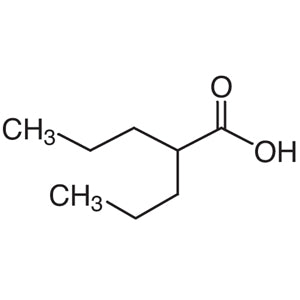
2-PropylvalericAcid TCI P0823
Regular price From Rp 1.801.800,00Regular priceRp 1.275.750,00Sale price From Rp 1.801.800,00 -
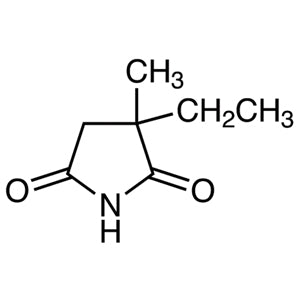
Ethosuximide TCI E0746
Regular price From Rp 2.013.900,00Regular priceRp 1.423.800,00Sale price From Rp 2.013.900,00 -
Zonisamide TCI Z0026
Regular price From Rp 2.199.750,00Regular priceRp 1.554.000,00Sale price From Rp 2.199.750,00 -
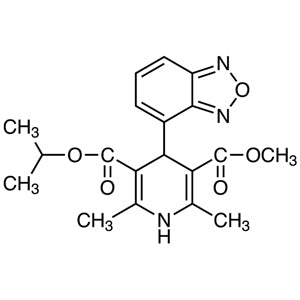
Isradipine TCI I0876
Regular price Rp 7.712.250,00Regular priceRp 5.408.550,00Sale price Rp 7.712.250,00 -
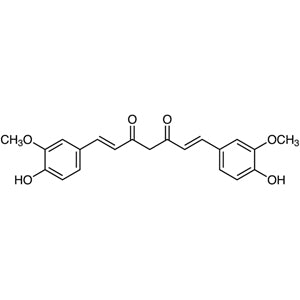
Curcumin(Synthetic) TCI C2302
Regular price From Rp 1.246.350,00Regular priceRp 887.250,00Sale price From Rp 1.246.350,00 -
Curcumin(Natural) TCI C0434
Regular price From Rp 637.350,00Regular priceRp 445.200,00Sale price From Rp 637.350,00 -
4-AminobutyricAcid TCI A0282
Regular price From Rp 505.050,00Regular priceRp 352.800,00Sale price From Rp 505.050,00 -
VerapamilHydrochloride TCI V0118
Regular price From Rp 1.618.050,00Regular priceRp 1.146.600,00Sale price From Rp 1.618.050,00