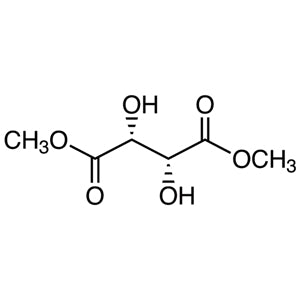
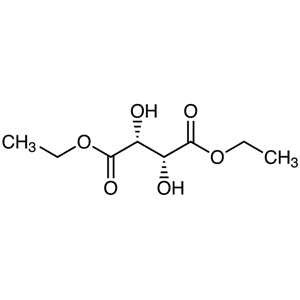
Dibutyl L-(+)-Tartrate is a chiral compound widely used in asymmetric synthesis to construct molecules with specific biological activities. As a key component in chiral building blocks, it plays a crucial role in the development of compounds with asymmetric structures. This material is essential in chemical research, particularly in the field of chiral synthesis, where precise molecular configurations are required. Its unique optical properties make it a valuable tool for creating enantiomerically pure compounds, which are critical in pharmaceutical and industrial applications.
The compound is known for its stability and solubility in organic solvents, which facilitates its use in various chemical reactions and synthesis processes. Its clear optical characteristics allow for accurate identification and application in laboratory settings. The ability to produce chiral products with specific activities makes it an ideal choice for researchers aiming to develop new drugs or specialized chemical materials. Its reliability and consistency in performance are key factors in its widespread use in scientific research.
In Indonesian laboratories, Dibutyl L-(+)-Tartrate is commonly used in academic and research institutions. It supports the advancement of chemical studies, particularly in the development of pharmaceuticals and specialty chemicals. Its application in both educational and industrial research contexts highlights its importance in the scientific community. Researchers rely on this compound to achieve precise molecular structures and to explore new synthetic pathways in their work.
TCI brochures (PDF)
- Chiral Building Blocks 2025-04-14 · p. 10
- Asymmetric synthesis is a key application where Dibutyl L-(+)-Tartrate is used to create chiral molecules with specific biological activities, enabling the development of pharmaceutical compounds.
- Chiral building block synthesis benefits from this compound's optical properties, allowing for the construction of complex molecular structures with high enantiomeric purity.
- Pharmaceutical research utilizes this material to produce enantiomerically pure compounds, which are essential for drug development and therapeutic applications.
- Organic chemistry experiments rely on its solubility in organic solvents, making it suitable for a wide range of chemical reactions and synthesis processes.
- Industrial chemical production uses this compound to create specialized materials with unique structural and functional properties.
| Brand | TCI |
|---|---|
| CAS number | 87-92-3 |
| Molecular formula | — |
| Purity | — |
| Category | Chemistry > Asymmetric Synthesis > Chiral Building Blocks |
| Pack sizes | Available in standard laboratory quantities |
| Physical form | Solid |
| Storage | Store in a cool, dry place away from light |
Dibutyl L-(+)-Tartrate should be stored in a cool, dry environment, away from direct light and sources of heat. It is recommended to keep the compound in a sealed container to prevent moisture absorption and contamination. Due to its chemical nature, it should be handled with appropriate personal protective equipment, such as gloves and safety goggles, to ensure laboratory safety. Storage in a well-ventilated area is also advised to minimize any potential exposure. This compound is generally stable under standard laboratory conditions, making it suitable for routine use in chemical research. Proper storage and handling practices help maintain its integrity and effectiveness in various synthetic applications.
—
Produk Terkait
-
DibenzylL-Tartrate TCI T1671
Regular price From Rp 1.298.850,00Regular priceRp 908.250,00Sale price From Rp 1.298.850,00 -
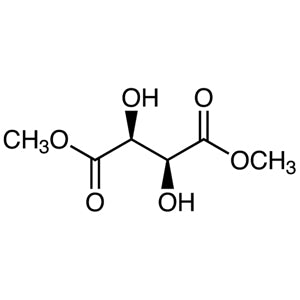
DimethylD-(-)-Tartrate TCI T1659
Regular price From Rp 584.850,00Regular priceRp 408.450,00Sale price From Rp 584.850,00 -
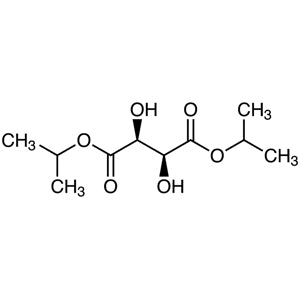
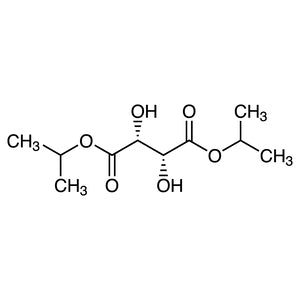
DiisopropylD-(-)-Tartrate TCI T1387
Regular price From Rp 1.881.600,00Regular priceRp 1.315.650,00Sale price From Rp 1.881.600,00 -
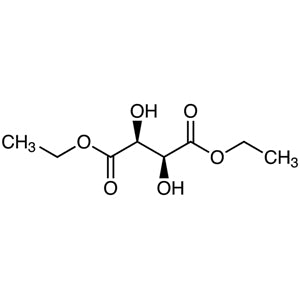
DiethylD-(-)-Tartrate TCI T1195
Regular price From Rp 1.115.100,00Regular priceRp 779.100,00Sale price From Rp 1.115.100,00 -
DiisopropylL-(+)-Tartrate TCI T0621
Regular price From Rp 1.326.150,00Regular priceRp 927.150,00Sale price From Rp 1.326.150,00 -
DimethylL-(+)-Tartrate TCI T0006
Regular price Rp 980.700,00Regular priceRp 685.650,00Sale price Rp 980.700,00 -
DiethylL-(+)-Tartrate TCI T0003
Regular price From Rp 610.050,00Regular priceRp 426.300,00Sale price From Rp 610.050,00 -
PotassiumSodiumL-(+)-TartrateTetrahydrate TCI P1798
Regular price From Rp 477.750,00Regular priceRp 333.900,00Sale price From Rp 477.750,00