Carbon Tetrabromide (CTB), with the CAS number 558-13-4, is a synthetic reagent widely used in organic synthesis reactions. It plays a crucial role in laboratory settings by facilitating the formation of C-X (halogen) bonds, which are essential in the development of complex organic compounds. This compound is commonly employed in substitution reactions, particularly in halogenation processes, where it acts as a versatile reagent for modifying molecular structures. Its high reactivity towards specific organic compounds makes it a valuable tool for chemists working on a variety of synthetic pathways.
CTB is known for its high polarity and stable molecular structure, CBr₄, which contributes to its effectiveness in various chemical reactions. Its high boiling point and significant density allow it to be used in reactions requiring extreme conditions. These physical properties make it suitable for both small-scale research and large-scale industrial applications. The reagent's ability to maintain stability while exhibiting reactivity ensures its reliability in different experimental setups, making it a preferred choice among laboratory professionals.
In Indonesian laboratories, CTB is frequently utilized by chemists and pharmaceutical researchers to develop new compounds. It is a common component in studies related to organic chemistry and is applied in both academic and industrial research contexts. Its versatility and effectiveness have made it a standard material in the chemical supply chain, supporting a wide range of synthetic processes in the region.
TCI brochures (PDF)
- Carbon Homologation / Degradation Reagents 2021-09-09 · p. 1
- Halogenation Reagents 2026-04-03 · p. 6
Related TCI products
- TCI P0752 3229-00-3 Pentaerythrityl Tetrabromide
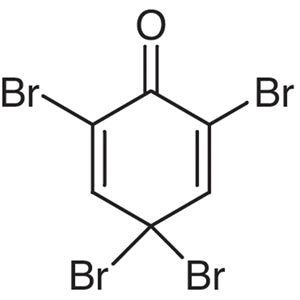
- TCI T1235 20244-61-5 2,4,4,6-Tetrabromo-2,5-cyclohexadienone
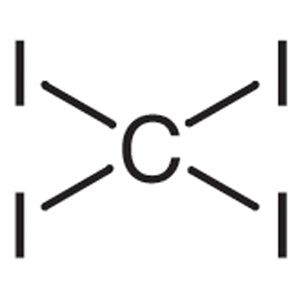
- TCI C0936 507-25-5 Carbon Tetraiodide
- TCI R0322 7440-18-8 Ruthenium 5% on Carbon, SD type (wetted with ca 55% Water)
- TCI R0076 7440-18-8 Ruthenium 5% on Carbon (wetted with ca 50% Water)
- TCI R0075 7440-16-6 Rhodium 5% on Carbon (wetted with ca 55% Water)
- Organic synthesis for halogenation reactions due to its ability to form stable C-X bonds.
- Modification of molecular structures in complex compound development through substitution reactions.
- Pharmaceutical research for the synthesis of new drug compounds requiring halogenated intermediates.
- Industrial chemical processes where high reactivity and stability are required under extreme conditions.
- Academic research in organic chemistry for teaching and experimental studies involving halogenated reagents.
From the TCI brochure
- Corey-Fuchs alkyne synthesis: aldehyde to terminal alkyne together with triphenylphosphine (T0519)
| Brand | TCI |
|---|---|
| CAS number | 558-13-4 |
| Molecular formula | — |
| Purity | — |
| Category | Chemistry > Synthetic Reagents > C-X(Halogen) Bond Formation |
| Pack sizes | Available in various sizes as per supplier specifications |
| Physical form | Liquid |
| Storage | Store in a cool, dry, and well-ventilated area away from heat and light |
Data from the TCI brochure
| Kemasan | 25g / 100g / 500g |
|---|
Source: TCI brochure RR038 (2021-09-09)
Carbon Tetrabromide should be stored in a cool, dry, and well-ventilated area, away from heat and direct sunlight. It is recommended to use sealed containers made of materials compatible with halogenated compounds to prevent evaporation and contamination. Due to its high reactivity, it should be handled with care, using appropriate personal protective equipment such as gloves and safety goggles. In laboratory settings, it should be stored separately from incompatible substances to avoid any potential chemical reactions. Regular monitoring of storage conditions is essential to ensure the stability and safety of the reagent.
—
Produk Terkait
-
PentaerythritylTetrabromide TCI P0752
Regular price From Rp 1.644.300,00Regular priceRp 1.149.750,00Sale price From Rp 1.644.300,00 -
2,4,4,6-Tetrabromo-2,5-cyclohexadienone TCI T1235
Regular price From Rp 1.458.450,00Regular priceRp 1.035.300,00Sale price From Rp 1.458.450,00 -
CarbonTetraiodide TCI C0936
Regular price Rp 3.287.550,00Regular priceRp 2.298.450,00Sale price Rp 3.287.550,00 -
Ruthenium5%onCarbon,SDtype(wettedwithca55%Water) TCI R0322
Regular price From Rp 823.200,00Regular priceRp 575.400,00Sale price From Rp 823.200,00 -
Ruthenium5%onCarbon(wettedwithca50%Water) TCI R0076
Regular price From Rp 848.400,00Regular priceRp 593.250,00Sale price From Rp 848.400,00 -
Rhodium5%onCarbon(wettedwithca55%Water) TCI R0075
Regular price From Rp 1.988.700,00Regular priceRp 1.390.200,00Sale price From Rp 1.988.700,00 -
Platinum5%onCarbon(wettedwithca55%Water) TCI P3306
Regular price From Rp 2.650.200,00Regular priceRp 1.853.250,00Sale price From Rp 2.650.200,00 -
Platinum3%onCarbon(wettedwithca55%Water)(ModifiedbySulfur) TCI P3305
Regular price From Rp 3.100.650,00Regular priceRp 2.168.250,00Sale price From Rp 3.100.650,00