p-Toluic Acid (TCI T0293, CAS 99-94-5) is a chemical compound widely used in laboratory settings for its versatility in chemical experiments and molecular synthesis. As a fundamental building block in chemistry, it plays a crucial role in various synthetic processes, including substitution reactions, esterification, and the formation of aromatic compounds. Its simple molecular structure makes it an essential component in the development of pharmaceuticals, industrial chemicals, and other chemical products. In the laboratory, p-Toluic Acid is frequently employed in experiments requiring high reactivity and purity, making it a reliable choice for researchers and chemists.
One of the key attributes that make p-Toluic Acid a preferred choice is its chemical stability and reactivity with a wide range of reagents. It is a solid, white substance that remains chemically inert under normal conditions, yet it readily participates in chemical reactions when needed. The presence of the toluyl group in its molecular structure enhances its utility in substitution reactions and other chemical transformations. Its ability to maintain structural integrity during reactions ensures consistent results, which is vital for reproducibility in scientific research.
In Indonesian laboratories, p-Toluic Acid is commonly used in research and development projects involving chemical synthesis and compound modification. Its reliability, purity, and availability make it a popular choice among scientists working on pharmaceutical and industrial applications. The compound’s predictable behavior and compatibility with various reagents further support its widespread use in both academic and industrial settings.
- Used in pharmaceutical research for the synthesis of complex organic compounds due to its reactivity and structural versatility.
- Applied in industrial chemistry for the production of specialty chemicals and intermediates in manufacturing processes.
- Utilized in analytical chemistry for the preparation of reference standards and calibration solutions.
- Employed in organic synthesis to create derivatives through esterification and substitution reactions.
- Integrated into academic research for teaching and experimental purposes in chemistry laboratories.
| Brand | TCI |
|---|---|
| CAS number | 99-94-5 |
| Molecular formula | — |
| Purity | — |
| Category | Chemistry > Building Blocks > Non-Heterocyclic Building Blocks |
| Pack sizes | Available in various quantities as per supplier specifications |
| Physical form | Solid, white crystalline powder |
| Storage | Store in a cool, dry place away from direct sunlight and moisture |
p-Toluic Acid should be stored in a cool, dry environment to maintain its chemical stability and prevent degradation. It is recommended to keep it in a sealed container to avoid exposure to moisture and air, which could affect its purity. The compound is non-hazardous under normal conditions but should be handled with care to prevent contamination. In a laboratory setting, it is advisable to store it in a well-ventilated area and away from incompatible substances. Proper labeling and storage practices ensure the safety of both the material and the personnel working with it.
—
Produk Terkait
-
o-ToluicAcid TCI T0292
Regular price From Rp 557.550,00Regular priceRp 405.300,00Sale price From Rp 557.550,00 -
m-ToluicAcid TCI T0291
Regular price From Rp 1.008.000,00Regular priceRp 720.300,00Sale price From Rp 1.008.000,00 -
5-Iodo-o-toluicAcid TCI I0916
Regular price From Rp 875.700,00Regular priceRp 627.900,00Sale price From Rp 875.700,00 -
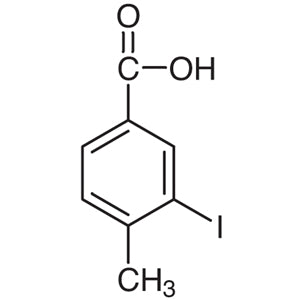
3-Iodo-p-toluicAcid TCI I0707
Regular price From Rp 848.400,00Regular priceRp 609.000,00Sale price From Rp 848.400,00 -
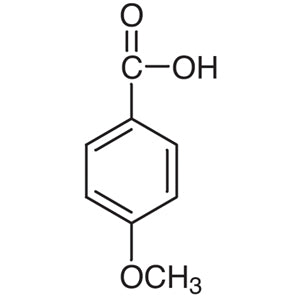
p-AnisicAcid TCI A0482
Regular price Rp 557.550,00Regular priceRp 405.300,00Sale price Rp 557.550,00 -
4-BenzyloxybenzoicAcid TCI B1665
Regular price From Rp 1.538.250,00Regular priceRp 1.090.950,00Sale price From Rp 1.538.250,00 -
4-ButoxybenzoicAcid TCI B0896
Regular price Rp 1.908.900,00Regular priceRp 1.350.300,00Sale price Rp 1.908.900,00 -
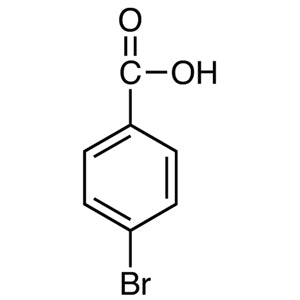
4-BromobenzoicAcid TCI B0553
Regular price From Rp 1.618.050,00Regular priceRp 1.146.600,00Sale price From Rp 1.618.050,00