Trichloroacetonitrile (TCI T0372), with CAS number 545-06-2, is a chemical compound widely used in laboratory settings as a fundamental building block for various chemical reactions. It is a versatile reagent that plays a critical role in organic synthesis, particularly in the development of complex molecular structures. This compound is commonly found in the category of *Building Blocks* under Chemistry, and it is valued for its reactivity and utility in both substitution and electrophilic reactions. Its unique molecular structure, featuring three chlorine atoms attached to a carbon atom, contributes to its chemical versatility and makes it an essential tool for chemists working in research and development.
The reactivity and chemical versatility of Trichloroacetonitrile make it a preferred choice for laboratory applications. Its ability to participate in a wide range of chemical reactions, including nucleophilic and electrophilic processes, allows it to be used in the synthesis of nitrogen-containing compounds and complex organic molecules. The compound's high reactivity also enables it to act as an intermediate in the formation of various functional groups. Despite its reactivity, Trichloroacetonitrile maintains a reasonable level of stability under controlled conditions, making it a reliable reagent for synthetic chemistry.
In Indonesian laboratories, Trichloroacetonitrile is extensively used in organic chemistry research, particularly in pharmaceutical and industrial chemistry applications. It is a key component in the synthesis of bioactive compounds and is frequently employed in the development of new chemical entities. Its role in the creation of complex molecular structures makes it an indispensable material for researchers working in both academic and industrial settings.
Advantages (TCI brochure)
- Used with a strong base to form glycosyl trichloroacetimidates from sugars
TCI brochures (PDF)
- Glycosidation 2026-04-14 · p. 2
- Reagents for Glyco Chemistry & Biology 5th Edition · p. 149
Related TCI products
- Organic synthesis is a primary application where Trichloroacetonitrile is used to create complex molecular structures due to its reactivity and versatility in substitution reactions.
- Pharmaceutical research benefits from its ability to participate in the formation of nitrogen-containing compounds, which are essential in drug development.
- Industrial chemistry applications rely on its role as a building block for the synthesis of various organic compounds used in manufacturing processes.
- Analytical chemistry utilizes its reactivity for the preparation of intermediates in qualitative and quantitative analysis methods.
- Environmental studies may use it as a reagent in the analysis of organic pollutants and the development of chemical sensors.
From the TCI brochure
- Glycosyl trichloroacetimidate donor synthesis
| Brand | TCI |
|---|---|
| CAS number | 545-06-2 |
| Molecular formula | — |
| Purity | — |
| Category | Chemistry > Building Blocks > Non-Heterocyclic Building Blocks |
| Pack sizes | Available in various quantities as per supplier specifications |
| Physical form | Liquid |
| Storage | Store in a cool, dry place away from light and incompatible materials |
Trichloroacetonitrile should be stored in a cool, dry place, away from direct sunlight and sources of heat. It is recommended to keep the compound in a sealed container made of materials compatible with its chemical properties, such as glass or high-density polyethylene. Due to its reactivity, it should be handled with care, using appropriate personal protective equipment like gloves and safety goggles. It is important to avoid contact with moisture and incompatible substances, such as strong bases or reducing agents. In laboratory settings, proper ventilation is essential to minimize exposure to vapors. Always follow standard safety protocols when working with reactive chemicals to ensure a safe and controlled environment.
—
Produk Terkait
-
3'-Amino-4'-chloroacetophenone TCI A3026
Regular price From Rp 610.050,00Regular priceRp 442.050,00Sale price From Rp 610.050,00 -
Dichloroacetonitrile TCI D2510
Regular price From Rp 2.597.700,00Regular priceRp 1.832.250,00Sale price From Rp 2.597.700,00 -
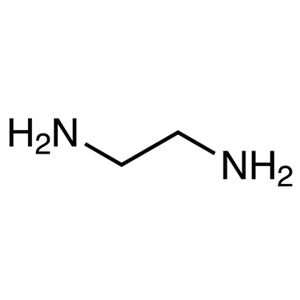
EthylenediamineAnhydrous TCI E0077
Regular price From Rp 505.050,00Regular priceRp 352.800,00Sale price From Rp 505.050,00 -
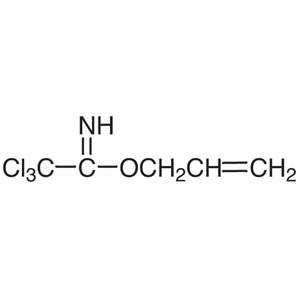
Allyl2,2,2-Trichloroacetimidate TCI A2186
Regular price Rp 2.702.700,00Regular priceRp 1.905.750,00Sale price Rp 2.702.700,00 -
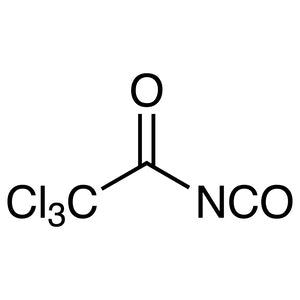
TrichloroacetylIsocyanate TCI T1047
Regular price From Rp 769.650,00Regular priceRp 537.600,00Sale price From Rp 769.650,00 -
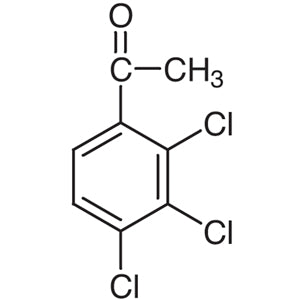
2',3',4'-Trichloroacetophenone TCI T2306
Regular price Rp 900.900,00Regular priceRp 645.750,00Sale price Rp 900.900,00 -
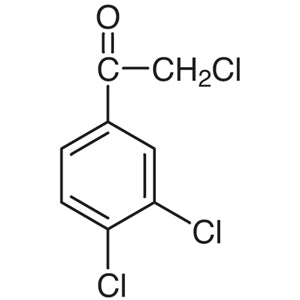
2,3',4'-Trichloroacetophenone TCI T1965
Regular price Rp 2.121.000,00Regular priceRp 1.498.350,00Sale price Rp 2.121.000,00 -
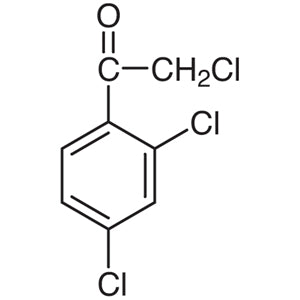
2,2',4'-Trichloroacetophenone TCI T1405
Regular price Rp 662.550,00Regular priceRp 478.800,00Sale price Rp 662.550,00