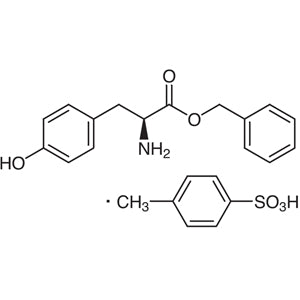
L-(-)-Tyrosine is a chemical compound widely used in various scientific fields, particularly in chemical biology and peptide chemistry. As an essential amino acid, it plays a crucial role in protein synthesis, metabolic processes, and the biological activity of numerous compounds. In laboratory settings, L-(-)-Tyrosine serves as a key building block for the synthesis of complex molecules such as peptides, hormones, and pharmaceuticals. Its versatility makes it an indispensable tool for researchers working on biochemical mechanisms and enzymatic activities.
The compound is known for its stable chemical structure and its ability to participate in a variety of chemical reactions, including binding, substitution, and coupling. Its high water solubility and good solubility characteristics make it ideal for use in aqueous solutions and chemical reactions. These properties contribute to its reliability and consistency in experimental applications. Additionally, its non-toxic nature and ease of handling make it a preferred choice for a wide range of biochemical experiments.
In Indonesian laboratories, L-(-)-Tyrosine is commonly used in pharmaceutical, biotechnology, and food chemistry research. It is a fundamental component in the development of new drugs, bioactive compounds, and food additives. Many research institutions and universities rely on this compound to advance their scientific studies and innovation in various fields of applied chemistry.
TCI brochures (PDF)
- Amino Acids and Peptide Synthesis Reagents 2025-08-14 · p. 5
- Reagents for Biological Research 2025-03-11 · p. 57
- Pharmaceutical research utilizes L-(-)-Tyrosine for the synthesis of bioactive compounds and drug development due to its role in protein and enzyme function.
- Biotechnology applications benefit from its use in peptide synthesis, where it contributes to the creation of complex biomolecules and therapeutic agents.
- Food chemistry studies employ L-(-)-Tyrosine to analyze amino acid profiles and develop functional food ingredients with enhanced nutritional value.
- Biochemical research relies on its stable structure and solubility to study enzyme mechanisms and metabolic pathways in living systems.
- Analytical chemistry uses L-(-)-Tyrosine as a standard for quantifying amino acids in biological samples and assessing metabolic health.
| Brand | TCI |
|---|---|
| CAS number | 60-18-4 |
| Molecular formula | — |
| Purity | — |
| Category | Chemistry > Chemical Biology > Peptide Chemistry |
| Pack sizes | Available in various quantities to suit different research needs |
| Physical form | White crystalline powder |
| Storage | Store in a cool, dry place away from light and moisture |
L-(-)-Tyrosine should be stored in a cool, dry place, away from light and moisture to maintain its chemical stability and prevent degradation. It is recommended to use airtight containers to minimize exposure to humidity and contaminants. Due to its high solubility, it is important to handle the compound in a well-ventilated area to avoid inhalation of fine particles. While it is non-toxic, proper laboratory safety practices should still be followed, including the use of gloves and protective eyewear. The compound is stable under normal storage conditions and does not require special refrigeration. It is suitable for use in standard laboratory environments where chemical reactivity and purity are essential.
—
Product Categories
Produk Terkait
-
L-TyrosineDisodiumSaltHydrate TCI T1423
Regular price Rp 2.068.500,00Regular priceRp 1.461.600,00Sale price Rp 2.068.500,00 -
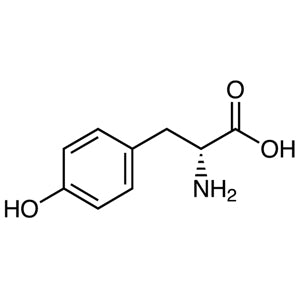
D-Tyrosine TCI T1141
Regular price From Rp 875.700,00Regular priceRp 627.900,00Sale price From Rp 875.700,00 -
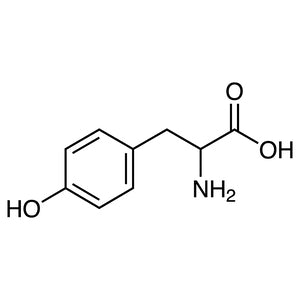
DL-Tyrosine TCI T0549
Regular price From Rp 742.350,00Regular priceRp 534.450,00Sale price From Rp 742.350,00 -
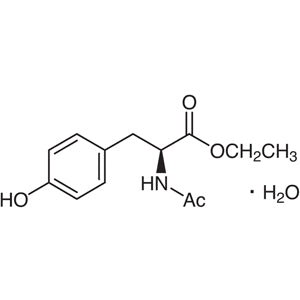
N-Acetyl-L-tyrosineEthylEsterMonohydrate TCI A0118
Regular price From Rp 662.550,00Regular priceRp 478.800,00Sale price From Rp 662.550,00 -
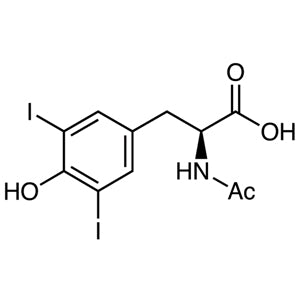
N-Acetyl-3,5-diiodo-L-tyrosine TCI A0087
Regular price Rp 1.060.500,00Regular priceRp 757.050,00Sale price Rp 1.060.500,00 -
L-TyrosineMethylEster TCI T2736
Regular price From Rp 1.167.600,00Regular priceRp 831.600,00Sale price From Rp 1.167.600,00 -
L-Tyrosinetert-ButylEster TCI T2446
Regular price From Rp 1.801.800,00Regular priceRp 1.275.750,00Sale price From Rp 1.801.800,00 -
L-TyrosineBenzylEsterp-Toluenesulfonate TCI T2443
Regular price From Rp 1.670.550,00Regular priceRp 1.183.350,00Sale price From Rp 1.670.550,00