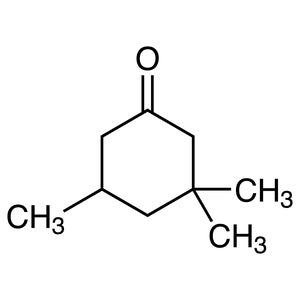
3,3,5-Trimethylcyclohexanone is an organic compound widely used as a foundational building block in the synthesis of complex chemical structures. It plays a crucial role in laboratory settings, particularly in organic chemistry research, where it serves as a versatile intermediate for various chemical transformations. This compound is commonly utilized in reactions that require controlled reactivity and stability, making it an essential component in both academic and industrial research environments. Its presence in the chemical supply chain ensures its availability for a wide range of experimental applications.
The compound’s molecular structure, featuring a symmetrical cyclohexanone ring with three methyl groups, provides a stable yet reactive platform for chemical modifications. Its ability to undergo substitution and addition reactions makes it highly suitable for processes such as reduction, oxidation, and nucleophilic attacks. Additionally, its relatively high boiling and melting points facilitate efficient separation and purification techniques in the laboratory. These properties make it a preferred choice for chemists aiming to develop new compounds and materials.
In Indonesian laboratories, 3,3,5-Trimethylcyclohexanone is frequently used in organic synthesis and research activities. It is commonly found in academic institutions and research centers where chemists work on drug development, material science, and chemical engineering projects. Its reliability and availability ensure that it remains a go-to compound for a variety of chemical applications in the region.
Related TCI products
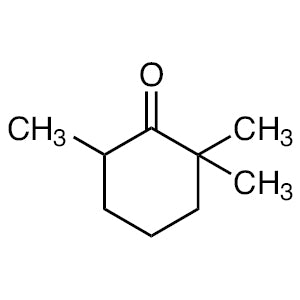
- TCI T3944 2408-37-9 2,2,6-Trimethylcyclohexanone
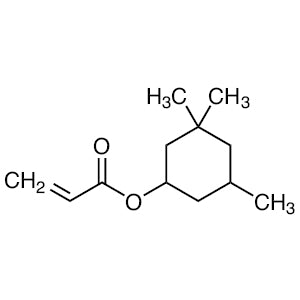
- TCI T3984 86178-38-3 3,3,5-Trimethylcyclohexyl Acrylate (cis- and trans- mixture) (stabilized with MEHQ)
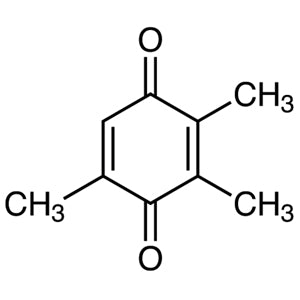
- TCI T3768 935-92-2 2,3,5-Trimethylcyclohexa-2,5-diene-1,4-dione
- TCI P0946 245652-81-7 Bis(cis-3,3,5-trimethylcyclohexyl) Phthalate
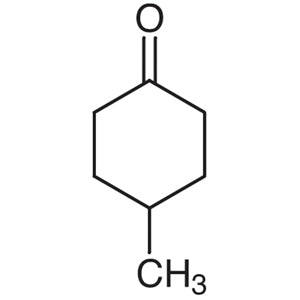
- TCI M0199 589-92-4 4-Methylcyclohexanone
- TCI M0198 591-24-2 3-Methylcyclohexanone
- Organic synthesis is a key application where this compound serves as a versatile intermediate for the creation of complex molecules.
- Pharmaceutical research benefits from its reactivity, allowing for the development of new drug compounds through various chemical modifications.
- Material science applications rely on its stability and reactivity to create advanced polymers and chemical materials.
- Educational institutions use it for teaching and research in organic chemistry, providing students with hands-on experience in chemical synthesis.
- Industrial chemical processes incorporate it as a building block for the production of specialty chemicals and fine chemicals.
| Brand | TCI |
|---|---|
| CAS number | 873-94-9 |
| Molecular formula | — |
| Purity | — |
| Category | Chemistry > Building Blocks > Non-Heterocyclic Building Blocks |
| Pack sizes | Available in various quantities as per standard chemical supply practices |
| Physical form | Liquid |
| Storage | Store in a cool, dry place away from direct sunlight and incompatible materials |
This compound should be stored in a cool, dry environment, away from direct sunlight and sources of heat. It is recommended to use airtight containers made of glass or high-density polyethylene to prevent contamination and evaporation. Due to its chemical nature, it should be kept separate from strong oxidizing agents and reactive metals. Proper ventilation is essential when handling the compound to minimize inhalation risks. Always ensure that the storage area is well-ventilated and complies with standard chemical safety regulations. Regular monitoring of storage conditions is advised to maintain the compound’s integrity and ensure safe laboratory practices.
—
Produk Terkait
-
2,2,6-Trimethylcyclohexanone TCI T3944
Regular price From Rp 2.174.550,00Regular price -
3,3,5-TrimethylcyclohexylAcrylate(cis-andtrans-mixture)(stabilizedwithMEHQ) TCI T3984
Regular price From Rp 1.510.950,00Regular price -
2,3,5-Trimethylcyclohexa-2,5-diene-1,4-dione TCI T3768
Regular price Rp 3.949.050,00Regular price -
Bis(cis-3,3,5-trimethylcyclohexyl)Phthalate TCI P0946
Regular price From Rp 1.749.300,00Regular price -
4-Methylcyclohexanone TCI M0199
Regular price From Rp 980.700,00Regular price -
3-Methylcyclohexanone TCI M0198
Regular price From Rp 689.850,00Regular price -
2-Methylcyclohexanone TCI M0197
Regular price From Rp 769.650,00Regular price -
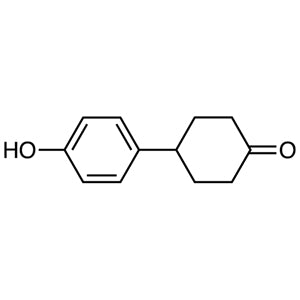
4-(4-Hydroxyphenyl)cyclohexanone TCI H1316
Regular price From Rp 1.167.600,00Regular price