2,4,6-Triaminopyrimidine is a chemical compound widely used in various chemical reactions, especially in the synthesis of heterocyclic compounds. It is a key building block in organic chemistry, known for its unique structure that includes a pyrimidine ring substituted with three amino groups at positions 2, 4, and 6. This compound plays a vital role in the development of complex molecules, serving as a foundational material for the creation of pharmaceuticals, industrial chemicals, and other organic substances. Its versatility makes it an essential component in synthetic chemistry, supporting a broad range of experimental applications.
The compound's chemical properties, including its stability and controlled reactivity, make it a preferred choice for laboratory use. It exhibits the ability to form complexes with various ligands and participate in substitution, reduction, and oxidation reactions. These characteristics allow it to be a valuable reagent in both academic and industrial settings. Its reactivity and compatibility with different chemical environments contribute to its widespread use in chemical research and development.
In Indonesian laboratories, 2,4,6-Triaminopyrimidine is commonly used in chemical research for both educational and research purposes. It is a key reagent in the synthesis of pharmaceutical compounds and other organic materials. Its availability and chemical properties make it a popular choice among researchers and students working in chemical laboratories across Indonesia.
- Synthesis of heterocyclic compounds: This compound is ideal for creating complex organic molecules due to its pyrimidine structure and multiple amino groups.
- Pharmaceutical research: It is used in the development of new drugs and medicinal compounds due to its reactivity and structural versatility.
- Organic chemistry experiments: Its ability to participate in various reactions makes it suitable for teaching and research in undergraduate and graduate laboratory courses.
- Industrial chemical production: It serves as a building block for the synthesis of industrial chemicals and specialty materials.
- Analytical chemistry applications: It is used as a reference material in analytical procedures due to its stability and well-defined chemical properties.
| Brand | TCI |
|---|---|
| CAS number | 1004-38-2 |
| Molecular formula | — |
| Purity | — |
| Category | Chemistry > Building Blocks > Heterocyclic Building Blocks |
| Pack sizes | Available in various quantities as per supplier specifications |
| Physical form | Solid |
| Storage | Store in a cool, dry place away from moisture and light |
This compound should be stored in a cool, dry environment, away from moisture and direct light to maintain its chemical integrity. It is recommended to use airtight containers to prevent exposure to humidity, which could affect its stability. Proper labeling of storage containers is essential for safety and identification. In laboratory settings, it should be handled with appropriate personal protective equipment, such as gloves and safety goggles, to minimize exposure. Due to its chemical nature, it should be stored separately from incompatible substances to prevent unwanted reactions. Regular monitoring of storage conditions ensures the compound remains in optimal condition for use in chemical experiments and research.
—
Produk Terkait
-
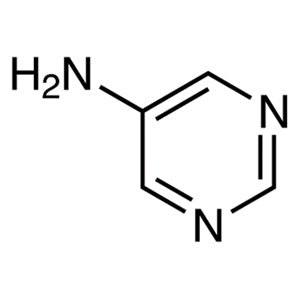
5-Aminopyrimidine TCI A2589
Regular price Rp 2.544.150,00Regular priceRp 1.794.450,00Sale price Rp 2.544.150,00 -
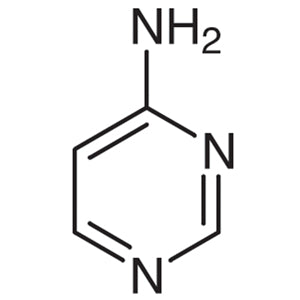
4-Aminopyrimidine TCI A2251
Regular price Rp 4.001.550,00Regular priceRp 2.814.000,00Sale price Rp 4.001.550,00 -
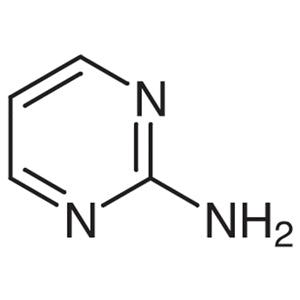
2-Aminopyrimidine TCI A0412
Regular price Rp 1.220.100,00Regular priceRp 868.350,00Sale price Rp 1.220.100,00 -
4,5-Diaminopyrimidine TCI D3858
Regular price Rp 4.240.950,00Regular priceRp 2.980.950,00Sale price Rp 4.240.950,00 -
4,6-Diaminopyrimidine TCI D3648
Regular price From Rp 1.934.100,00Regular priceRp 1.368.150,00Sale price From Rp 1.934.100,00 -
2,4-Diaminopyrimidine TCI D2120
Regular price From Rp 4.213.650,00Regular priceRp 2.962.050,00Sale price From Rp 4.213.650,00 -
2,4,5,6-TetraaminopyrimidineSulfate TCI T1462
Regular price Rp 1.590.750,00Regular priceRp 1.127.700,00Sale price Rp 1.590.750,00 -
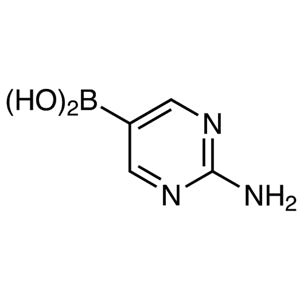
2-Aminopyrimidine-5-boronicAcid(containsvaryingamountsofAnhydride) TCI A2900
Regular price Rp 1.776.600,00Regular priceRp 1.257.900,00Sale price Rp 1.776.600,00