N,N,N',N'-Tetramethyldiaminomethane is a versatile chemical compound widely used in various laboratory applications, particularly in the synthesis of complex molecules. This compound serves as a key building block in organic chemistry, enabling the formation of intricate molecular structures. Its unique structure, consisting of two amine groups connected by a single carbon atom, surrounded by methyl groups, makes it highly reactive and suitable for a range of chemical transformations. In the laboratory, it plays a crucial role in facilitating reactions such as substitution, coupling, and the formation of complex chemical bonds.
The compound’s high reactivity and ability to form bonds with various functional groups make it a preferred choice for chemists. It can react with groups such as carboxylates, aldehydes, and ketones, allowing for the synthesis of amines, esters, and organometallic compounds. Its chemical versatility enables it to be used in the development of cyclic amines and other complex organic structures. These properties make it a valuable tool for researchers working in diverse fields, including pharmaceuticals, materials science, and organic synthesis.
In Indonesian laboratories, N,N,N',N'-Tetramethyldiaminomethane is commonly used in organic chemistry, pharmaceutical research, and material development. It is a key reagent in academic and industrial settings, supporting the creation of new compounds and the advancement of scientific knowledge. Its widespread application across multiple disciplines highlights its importance in modern chemical research.
Related TCI products
- TCI B5147 10029-07-9 trans-1,4-Bis(aminomethyl)cyclohexane
- TCI B5146 10029-09-1 cis-1,4-Bis(aminomethyl)cyclohexane
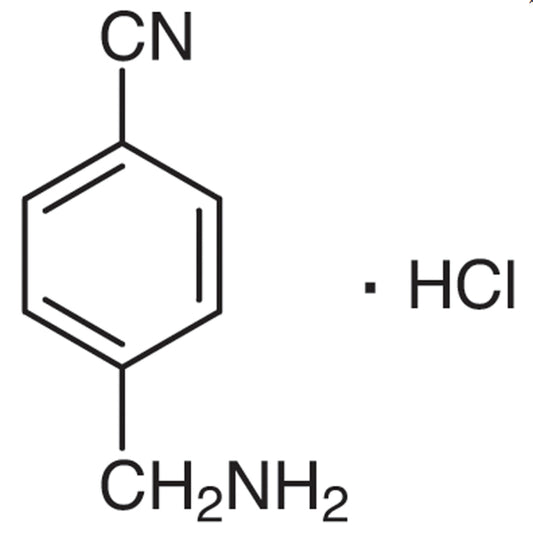
- TCI A1645 15996-76-6 4-(Aminomethyl)benzonitrile Hydrochloride
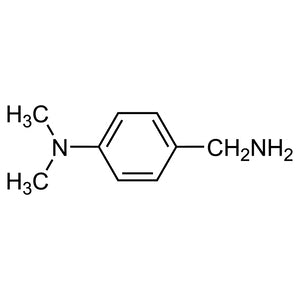
- TCI D6503 19293-58-4 4-(Aminomethyl)-N,N-dimethylaniline
- TCI M2869 90389-96-1 3-(Methylaminomethyl)benzonitrile
- TCI T3294 6850-28-8 Tris(hydroxymethyl)aminomethane Acetate
- Organic synthesis is a primary application where this compound is used to build complex molecular structures through various chemical reactions.
- Pharmaceutical research benefits from its ability to form bonds with functional groups, aiding in the development of new drug compounds.
- Material science applications utilize its reactivity to create advanced organic materials with specific chemical properties.
- Analytical chemistry laboratories use it as a reagent in the synthesis of reference compounds for analytical purposes.
- Academic research in Indonesian universities frequently incorporates this compound in teaching and experimental studies to illustrate chemical bonding and reaction mechanisms.
| Brand | TCI |
|---|---|
| CAS number | 51-80-9 |
| Molecular formula | — |
| Purity | — |
| Category | Chemistry > Building Blocks > Non-Heterocyclic Building Blocks |
| Pack sizes | Available in various quantities to meet different laboratory needs |
| Physical form | Liquid |
| Storage | Store in a cool, dry place away from light and incompatible substances |
This compound should be stored in a cool, dry environment, away from direct sunlight and sources of heat. It is recommended to use airtight containers made of materials that are chemically inert, such as glass or high-density polyethylene, to prevent contamination and degradation. Due to its reactivity, it should be kept away from strong oxidizing agents and incompatible substances. Always ensure proper ventilation when handling the compound, and wear appropriate personal protective equipment, including gloves and safety goggles, to minimize exposure. Regular monitoring of storage conditions is essential to maintain the compound’s stability and effectiveness in laboratory applications.
—
Produk Terkait
-
trans-1,4-Bis(aminomethyl)cyclohexane TCI B5147
Regular price From Rp 7.366.800,00Regular priceRp 5.167.050,00Sale price From Rp 7.366.800,00 -
cis-1,4-Bis(aminomethyl)cyclohexane TCI B5146
Regular price From Rp 8.267.700,00Regular priceRp 5.797.050,00Sale price From Rp 8.267.700,00 -
4-(Aminomethyl)benzonitrileHydrochloride TCI A1645
Regular price From Rp 822.150,00Regular priceRp 590.100,00Sale price From Rp 822.150,00 -
4-(Aminomethyl)-N,N-dimethylaniline TCI D6503
Regular price From Rp 2.121.000,00Regular priceRp 1.498.350,00Sale price From Rp 2.121.000,00 -
3-(Methylaminomethyl)benzonitrile TCI M2869
Regular price From Rp 1.934.100,00Regular priceRp 1.368.150,00Sale price From Rp 1.934.100,00 -
Tris(hydroxymethyl)aminomethaneAcetate TCI T3294
Regular price From Rp 1.087.800,00Regular priceRp 775.950,00Sale price From Rp 1.087.800,00 -
N,N'-Bis(dimethylaminomethylene)hydrazine TCI B3480
Regular price From Rp 3.419.850,00Regular priceRp 2.406.600,00Sale price From Rp 3.419.850,00 -
tert-Butyl[1-(Aminomethyl)cyclobutyl]carbamate TCI D6477
Regular price Rp 4.636.800,00Regular priceRp 3.258.150,00Sale price Rp 4.636.800,00