TCI T1023, 3,3',5,5'-Tetramethylbenzidine, is widely known in the laboratory by its abbreviation TMB. It is a benzidine derivative that carries four methyl groups on its aromatic rings. TMB is best known as a chromogenic substrate for peroxidase enzymes, especially horseradish peroxidase (HRP). When peroxidase oxidizes it in the presence of hydrogen peroxide, TMB produces a blue product. That color turns yellow once the reaction is stopped with acid, which makes it easy to measure by spectrophotometry.
TMB is a popular choice because of its high sensitivity and sharp color change, which suit quantitative detection in immunological assays. Compared with its parent compound benzidine, TMB was developed as an alternative that is considered safer for routine laboratory use. The pure solid form supplied by TCI allows a laboratory to prepare its own substrate solution with a buffer composition tailored to the assay, rather than depending on a ready-to-use solution. This gives teams greater control over assay conditions and reproducibility.
In Indonesia, immunology, diagnostics, biotechnology and nanozyme research laboratories can use TMB to develop ELISA assays, study peroxidase activity, or carry out research on materials that mimic enzymes. Laboratories that prepare their own reagents can choose the pack size that fits their testing volume and workflow. AMI Scientific supplies this TCI product as part of its range of building blocks and research chemicals for laboratory customers.
TCI brochures (PDF)
- Raw Materials for Polyimide Synthesis 2026-05-11 · p. 4
- Monomers 2025-05-28 · p. 32
Related TCI products
- ELISA substrate development: TMB gives a blue product when oxidized by HRP with hydrogen peroxide, and a yellow product after acid stopping, so absorbance is easy to read quantitatively.
- Peroxidase activity studies: because TMB is a chromogenic substrate for peroxidase enzymes, researchers can follow the color change to assess how active an enzyme preparation is under chosen conditions.
- Nanozyme and enzyme-mimic research: laboratories studying materials that imitate peroxidase can use TMB as a visible indicator, since the blue color shows whether the material catalyzes the oxidation reaction.
- Custom substrate solution preparation: the pure solid lets laboratories formulate their own substrate with an adjusted buffer composition, instead of relying only on ready-to-use solutions from other sources.
- Immunological and diagnostic assay development: the high sensitivity and sharp color change of TMB support quantitative detection in immunoassays, helping teams build and optimize new testing methods.
| Brand | TCI |
|---|---|
| CAS number | 54827-17-7 |
| Molecular formula | — |
| Purity | — |
| Category | Chemistry > Building Blocks > Non-Heterocyclic Building Blocks |
| Pack sizes | several options are available; please confirm the current choices with AMI Scientific |
| Physical form | — |
| Storage | follow the storage instructions on the product label and the supplier safety data sheet |
- Catalog code: T1023
Store 3,3',5,5'-Tetramethylbenzidine according to the conditions stated on the TCI product label and safety data sheet. Keep it in its original, tightly closed container, and protect it from light, moisture and strong oxidizing agents. Handle the solid in a well-ventilated area or a fume hood, and wear suitable gloves, safety glasses and a laboratory coat. Avoid creating dust, and prevent contact with skin and eyes. Label any prepared solutions clearly with the date and contents. Dispose of waste in line with your laboratory's chemical waste procedures and local regulations. Consult the safety data sheet before first use.
—
Produk Terkait
-
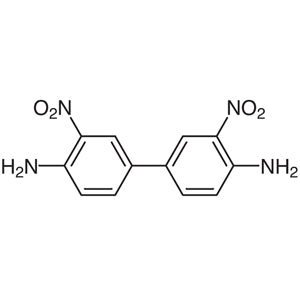
3,3'-Dinitrobenzidine TCI D0822
Regular price Rp 9.434.250,00Regular priceRp 6.612.900,00Sale price Rp 9.434.250,00 -
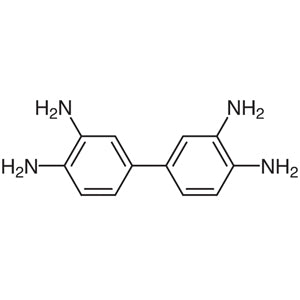
3,3'-Diaminobenzidine TCI D0077
Regular price From Rp 2.093.700,00Regular priceRp 1.479.450,00Sale price From Rp 2.093.700,00 -
5-Trifluoromethyl-1,3-phenylenediamine TCI T3239
Regular price Rp 1.326.150,00Regular priceRp 942.900,00Sale price Rp 1.326.150,00 -
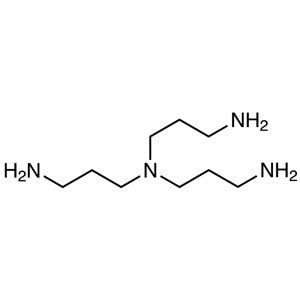
Tris(3-aminopropyl)amine TCI T1540
Regular price From Rp 6.599.250,00Regular priceRp 4.614.750,00Sale price From Rp 6.599.250,00 -
2,3,5,6-Tetramethyl-1,4-phenylenediamine TCI T1457
Regular price From Rp 1.934.100,00Regular priceRp 1.368.150,00Sale price From Rp 1.934.100,00 -
2,4,6-Trimethyl-1,3-phenylenediamine TCI T1275
Regular price From Rp 3.658.200,00Regular priceRp 2.573.550,00Sale price From Rp 3.658.200,00 -
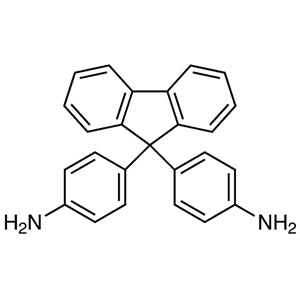
9,9-Bis(4-aminophenyl)fluorene(purifiedbysublimation) TCI B2654
Regular price Rp 2.650.200,00Regular priceRp 1.869.000,00Sale price Rp 2.650.200,00 -
9,9-Bis(4-aminophenyl)fluorene TCI B1549
Regular price From Rp 3.365.250,00Regular priceRp 2.368.800,00Sale price From Rp 3.365.250,00