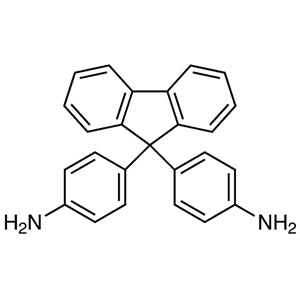
9,9-Bis(4-aminophenyl)fluorene is a chemical compound widely used as a building block in the synthesis of complex molecules. It plays a crucial role in laboratory settings where researchers aim to construct and modify molecular structures with precision. This compound is particularly valuable in organic chemistry due to its ability to participate in various chemical reactions, especially those involving aromatic bonding and fluorene-based structures. Its versatility makes it a key component in the development of new materials and pharmaceutical compounds.
The compound's stability and controlled reactivity make it a preferred choice for chemical experiments. It possesses a complex molecular structure with two amino groups at the ends of the fluorene core, enabling it to form new bonds and undergo substitution reactions. These properties allow chemists to tailor molecular structures for specific applications. Its consistent chemical behavior and high purity ensure reliable results in laboratory settings, making it a trusted material for scientific research.
In Indonesian laboratories, 9,9-Bis(4-aminophenyl)fluorene is commonly used in organic synthesis and material development projects. It is a staple in research institutions and universities that focus on chemical innovation. Its application spans various fields, including polymer science and medicinal chemistry, where its structural flexibility and reactivity are highly valued.
TCI brochures (PDF)
- Raw Materials for Polyimide Synthesis 2026-05-11 · p. 5
- Fluorenes and Fluorenones 2026-04-15 · p. 5
- Monomers 2025-05-28 · p. 29
Related TCI products
- TCI B2654 15499-84-0 9,9-Bis(4-aminophenyl)fluorene (purified by sublimation)
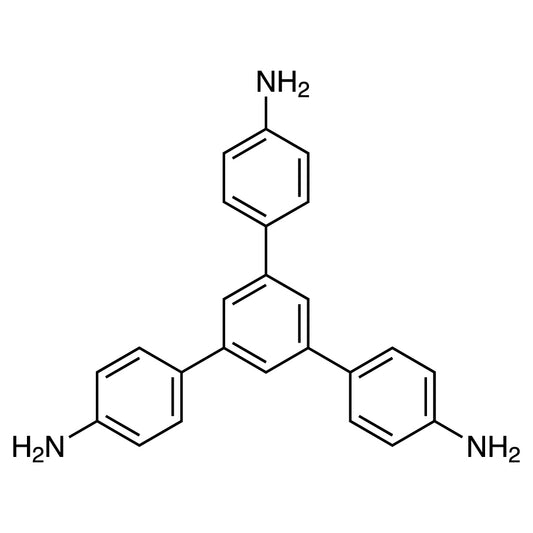
- TCI T2728 118727-34-7 1,3,5-Tris(4-aminophenyl)benzene
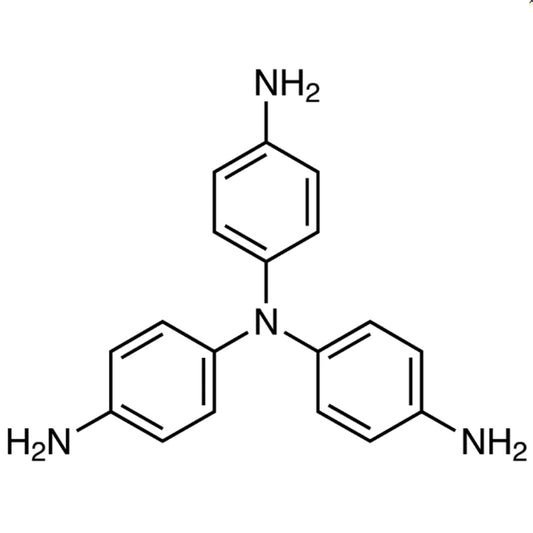
- TCI T2332 5981-09-9 Tris(4-aminophenyl)amine
- TCI B3853 2687-27-6 1,3-Bis[2-(4-aminophenyl)-2-propyl]benzene
- TCI B2076 3282-99-3 1,1-Bis(4-aminophenyl)cyclohexane
- TCI B1562 2716-10-1 alpha,alpha'-Bis(4-aminophenyl)-1,4-diisopropylbenzene
- Organic synthesis applications benefit from this compound's ability to form stable aromatic bonds and participate in substitution reactions, enabling the creation of complex molecular structures.
- Material development research utilizes its structural versatility to design new polymers and functional materials with tailored properties.
- Pharmaceutical research leverages its reactivity to synthesize potential drug candidates with specific molecular configurations.
- Structural modification experiments rely on its amino groups to introduce functional groups and alter molecular behavior in targeted ways.
- Advanced chemical research uses its consistent chemical properties to ensure reproducibility and reliability in experimental outcomes.
| Brand | TCI |
|---|---|
| CAS number | 15499-84-0 |
| Molecular formula | — |
| Purity | — |
| Category | Chemistry > Building Blocks > Non-Heterocyclic Building Blocks |
| Pack sizes | Available in various quantities as per standard laboratory supply options |
| Physical form | Solid |
| Storage | Store in a cool, dry place away from direct sunlight and moisture |
This compound should be stored in a cool, dry environment to maintain its chemical integrity. It is recommended to use airtight containers to prevent exposure to moisture and air, which could affect its stability. Laboratory personnel should handle it with care, using appropriate personal protective equipment such as gloves and safety goggles. Due to its chemical nature, it should be kept away from incompatible substances. Proper labeling and storage conditions are essential to ensure safe handling and long-term usability in research settings.
—
Produk Terkait
-
9,9-Bis(4-aminophenyl)fluorene(purifiedbysublimation) TCI B2654
Regular price Rp 2.650.200,00Regular priceRp 1.869.000,00Sale price Rp 2.650.200,00 -
1,3,5-Tris(4-aminophenyl)benzene TCI T2728
Regular price From Rp 6.465.900,00Regular priceRp 4.537.050,00Sale price From Rp 6.465.900,00 -
Tris(4-aminophenyl)amine TCI T2332
Regular price From Rp 3.127.950,00Regular priceRp 2.202.900,00Sale price From Rp 3.127.950,00 -
1,3-Bis[2-(4-aminophenyl)-2-propyl]benzene TCI B3853
Regular price Rp 1.192.800,00Regular priceRp 849.450,00Sale price Rp 1.192.800,00 -
1,1-Bis(4-aminophenyl)cyclohexane TCI B2076
Regular price From Rp 4.001.550,00Regular priceRp 2.814.000,00Sale price From Rp 4.001.550,00 -
alpha,alpha'-Bis(4-aminophenyl)-1,4-diisopropylbenzene TCI B1562
Regular price From Rp 1.326.150,00Regular priceRp 942.900,00Sale price From Rp 1.326.150,00 -
2,2-Bis(4-aminophenyl)hexafluoropropane TCI B1400
Regular price From Rp 1.563.450,00Regular priceRp 1.108.800,00Sale price From Rp 1.563.450,00 -
2-(3-Aminophenyl)-1H-benzo[d]imidazol-5-amine TCI D6250
Regular price From Rp 2.279.550,00Regular priceRp 1.609.650,00Sale price From Rp 2.279.550,00