2,2-Bis(4-aminophenyl)hexafluoropropane is a chemical compound used as a monomer in the synthesis of fluorinated polymers. This material plays a critical role in laboratory settings where researchers are developing advanced materials with enhanced thermal and chemical stability. Its unique molecular structure allows for the formation of polymer chains that exhibit superior mechanical properties and resistance to environmental degradation. As a key component in polymer science, it supports the creation of materials suitable for a wide range of industrial and medical applications.
The compound is prized for its exceptional chemical stability, high bond strength, and resistance to chemical reactions. The fluorinated structure of the molecule contributes to its outstanding thermal stability and corrosion resistance, making it ideal for use in extreme environments. These properties ensure that the material maintains its integrity under harsh conditions, which is crucial for applications requiring long-term performance. Its reliability and consistency make it a preferred choice for researchers working on advanced material development.
In Indonesian laboratories, this compound is widely used in scientific research conducted by higher education institutions and research organizations. It is commonly employed in projects related to new material development, thermal applications, and industrial uses. Its versatility and performance characteristics make it a valuable resource for scientists aiming to innovate in the field of polymer chemistry.
TCI brochures (PDF)
- Aliphatic Diamine Monomer with Branched Skeleton 2025-07-24 · p. 1
- Aromatic Monomers with Trifluoromethyl Groups 2025-07-09 · p. 1
- Raw Materials for Polyimide Synthesis 2026-05-11 · p. 5
- Monomers 2025-05-28 · p. 29
Related TCI products
- TCI D6008 220426-92-6 2,2-Bis(3-(3-aminobenzoylamino)-4-hydroxyphenyl)hexafluoropropane
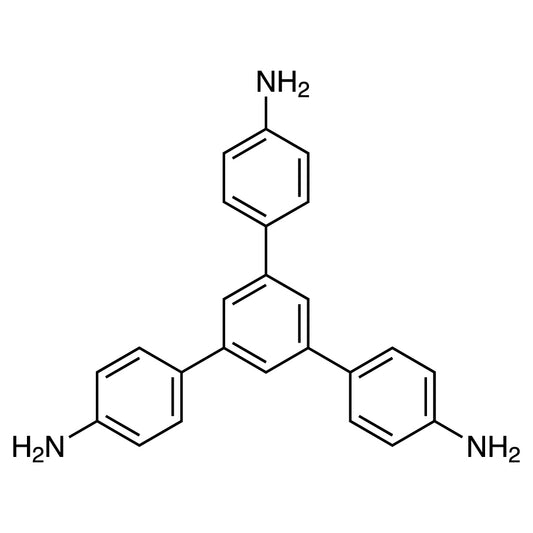
- TCI T2728 118727-34-7 1,3,5-Tris(4-aminophenyl)benzene
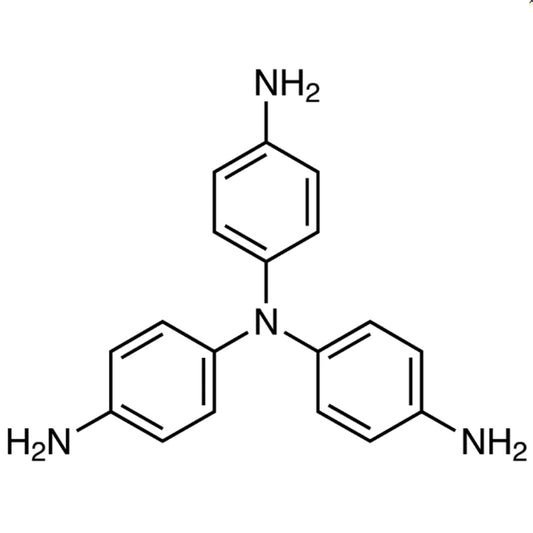
- TCI T2332 5981-09-9 Tris(4-aminophenyl)amine
- TCI B3853 2687-27-6 1,3-Bis[2-(4-aminophenyl)-2-propyl]benzene
- TCI B2654 15499-84-0 9,9-Bis(4-aminophenyl)fluorene (purified by sublimation)
- TCI B2076 3282-99-3 1,1-Bis(4-aminophenyl)cyclohexane
- Fluorinated Polymer Synthesis: This compound is ideal for creating fluorinated polymers due to its stable molecular structure and high reactivity, enabling the production of materials with exceptional thermal and chemical resistance.
- Advanced Material Research: It is used in research focused on developing materials with extreme mechanical and chemical properties, suitable for high-performance applications in engineering and medicine.
- Thermal Stability Testing: The compound's high thermal stability makes it suitable for experiments requiring materials that can withstand high temperatures without degradation.
- Industrial Coating Formulation: Its chemical resistance and durability make it a valuable component in the development of industrial coatings and protective layers.
- Medical Device Development: The compound's biocompatibility and resistance to degradation are beneficial in the creation of medical devices that require long-term stability and safety.
| Brand | TCI |
|---|---|
| CAS number | 1095-78-9 |
| Molecular formula | — |
| Purity | — |
| Category | Materials Science > Polymer/Macromolecule Reagents > Monomers |
| Pack sizes | Available in various quantities as per supplier specifications |
| Physical form | Solid or liquid, depending on the specific product variant |
| Storage | Store in a cool, dry place away from direct sunlight and moisture |
This compound should be stored in a cool, dry environment, away from direct sunlight and sources of moisture. It is recommended to use airtight containers made of materials that are chemically inert to prevent any unwanted reactions. Due to its chemical stability, it does not require refrigeration but should be kept in a secure location to avoid exposure to incompatible substances. Proper labeling and storage conditions are essential to maintain its integrity and ensure safe handling in laboratory settings. Always follow standard safety protocols when working with chemical reagents to minimize risks and ensure a safe working environment.
—
Produk Terkait
-
2,2-Bis(3-(3-aminobenzoylamino)-4-hydroxyphenyl)hexafluoropropane TCI D6008
Regular price From Rp 1.192.800,00Regular priceRp 849.450,00Sale price From Rp 1.192.800,00 -
1,3,5-Tris(4-aminophenyl)benzene TCI T2728
Regular price From Rp 6.465.900,00Regular priceRp 4.537.050,00Sale price From Rp 6.465.900,00 -
Tris(4-aminophenyl)amine TCI T2332
Regular price From Rp 3.127.950,00Regular priceRp 2.202.900,00Sale price From Rp 3.127.950,00 -
1,3-Bis[2-(4-aminophenyl)-2-propyl]benzene TCI B3853
Regular price Rp 1.192.800,00Regular priceRp 849.450,00Sale price Rp 1.192.800,00 -
9,9-Bis(4-aminophenyl)fluorene(purifiedbysublimation) TCI B2654
Regular price Rp 2.650.200,00Regular priceRp 1.869.000,00Sale price Rp 2.650.200,00 -
1,1-Bis(4-aminophenyl)cyclohexane TCI B2076
Regular price From Rp 4.001.550,00Regular priceRp 2.814.000,00Sale price From Rp 4.001.550,00 -
9,9-Bis(4-aminophenyl)fluorene TCI B1549
Regular price From Rp 3.365.250,00Regular priceRp 2.368.800,00Sale price From Rp 3.365.250,00 -
2-(3-Aminophenyl)-1H-benzo[d]imidazol-5-amine TCI D6250
Regular price From Rp 2.279.550,00Regular priceRp 1.609.650,00Sale price From Rp 2.279.550,00