TCI T1131 Tetrafluorotetracyanoquinodimethane (F4-TCNQ, CAS 29261-33-4), purified by sublimation, is a strongly electron-accepting organic compound. It belongs to the electronic materials and molecular conductors category. In the laboratory it is used to create charge-transfer complexes and to dope organic semiconductor materials. Sublimation purification indicates that the product is intended for materials research that is sensitive to impurities, where the quality of the starting compound directly affects the reproducibility of results.
The main property that makes this compound a preferred choice is its high electron affinity, which lets the molecule readily accept electrons from donor species. This leads to the formation of salts or charge-transfer complexes with characteristic electrical behavior. The fluorine atoms on the TCNQ framework increase its electron-withdrawing ability compared with ordinary TCNQ. In organic thin films, an acceptor of this type can raise the concentration of positive charge carriers, which is the basis of p-type doping. Researchers also use it to study conductivity and intermolecular charge movement.
In Indonesia, this material is relevant to research groups working in materials science, organic electronics, and photovoltaics at universities and research institutions. The 100 mg and 1 g pack sizes suit small-scale research, where only limited quantities are needed for each experiment. Laboratories typically use it for doping studies, charge-transfer experiments, and the preparation of thin-film samples for electrical characterization.
TCI brochures (PDF)
- Hole-injection and Charge-generation Material with Strong Electron-Accepting Ability HAT-CN 6 2024-10-21 · p. 2
- Dopants for Organic Electronics Research 2025-06-06 · p. 1
- Organic Transistor (OFET) Materials 2026-05-07 · p. 11
- Chemical Compounds Purified by Sublimation 2025-05-07 · p. 4
- Molecular Conductors 2025-11-13 · p. 3
- Solar Cell Materials 2026-04-21 · p. 10
Related TCI products
- TCI T3034 1518-16-7 7,7,8,8-Tetracyanoquinodimethane (purified by sublimation)
- TCI T0078 1518-16-7 7,7,8,8-Tetracyanoquinodimethane
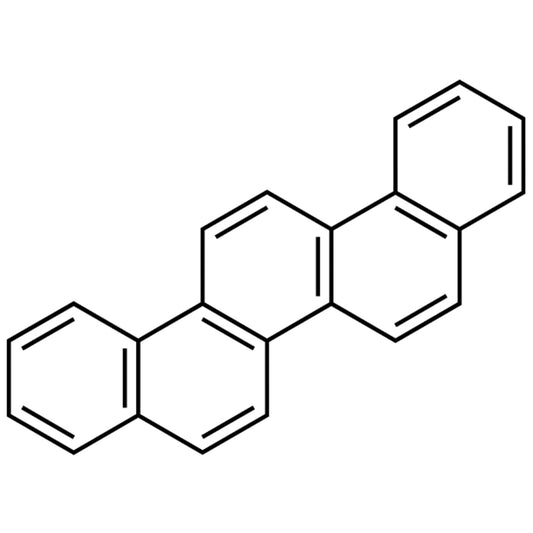
- TCI P2207 213-46-7 Picene (purified by sublimation) (>99.9%)
- TCI F1233 115383-22-7 Fullerene C70 (purified by sublimation) [for organic electronics]
- TCI F1232 99685-96-8 Fullerene C60 (purified by sublimation) [for organic electronics]
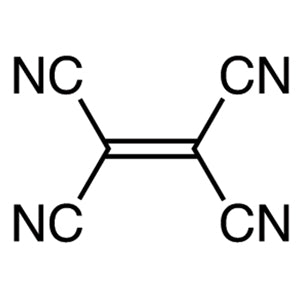
- TCI T3264 670-54-2 Tetracyanoethylene (purified by sublimation)
- Charge-transfer complex formation: the strong electron-accepting character of F4-TCNQ lets it take electrons from donor molecules, producing salts or complexes whose electrical properties can then be studied.
- p-type doping of organic semiconductors: in organic thin films the compound can increase the concentration of positive charge carriers, so it is a suitable dopant for research on organic semiconductor layers.
- Conductivity studies of molecular conductors: the fluorinated TCNQ framework gives a stronger electron-withdrawing effect than ordinary TCNQ, which helps researchers examine how charge moves between molecules in conducting materials.
- Organic electronics research: groups developing organic electronic devices can use this purified acceptor to modify the electronic behavior of thin-film materials, where impurity levels in the starting compound matter.
- Photovoltaic materials research: laboratories working on organic photovoltaic materials can use the compound in doping and charge-transport experiments, with the small pack sizes allowing economical experimental work.
| Brand | TCI |
|---|---|
| CAS number | 29261-33-4 |
| Molecular formula | — |
| Purity | — |
| Category | Materials Science > Electronic Materials > Molecular Conductors |
| Pack sizes | 100 mg and 1 g |
| Physical form | — |
| Storage | — |
- Product code: T1131
- Grade note: purified by sublimation; consult the supplier label and safety data sheet for storage details
Store the product in its original, tightly closed container, in a clean and dry place away from heat, moisture, and direct light. Follow the storage instructions on the label and in the safety data sheet, because the exact conditions come from the manufacturer. Because the material is sold in small quantities for sensitive materials work, minimize the time the container stays open, and use clean, dry spatulas and glassware to avoid contamination. Handle it in a well-ventilated area or a fume hood. Wear gloves, safety glasses, and a laboratory coat, and avoid inhaling dust or contacting skin and eyes. Keep it away from incompatible substances. Dispose of waste according to institutional and local regulations.
—
Product Categories
- Electronic MaterialsMolecular ConductorsAcceptor Molecules [Molecular Conductors]
- Electronic MaterialsOrganic Transistor (OFET) Materialsn-Type Organic Semiconductors [Organic Transistor (OFET) Materials]
- Electronic MaterialsPerovskite Solar Cell (PSC) MaterialsCarrier Transport Layer Addives [Perovskite Solar Cell (PSC) Materials]
- High Purity CompoundsCompounds Purified by SublimationOrganic Semiconductors [Compounds Purified by Sublimation]
Produk Terkait
-
7,7,8,8-Tetracyanoquinodimethane(purifiedbysublimation) TCI T3034
Regular price From Rp 2.730.000,00Regular priceRp 1.924.650,00Sale price From Rp 2.730.000,00 -
7,7,8,8-Tetracyanoquinodimethane TCI T0078
Regular price From Rp 1.881.600,00Regular priceRp 1.331.400,00Sale price From Rp 1.881.600,00 -
Picene(purifiedbysublimation)(>99.9%) TCI P2207
Regular price From Rp 4.347.000,00Regular priceRp 3.039.750,00Sale price From Rp 4.347.000,00 -
FullereneC70(purifiedbysublimation)[fororganicelectronics] TCI F1233
Regular price Rp 8.453.550,00Regular priceRp 5.911.500,00Sale price Rp 8.453.550,00 -
FullereneC60(purifiedbysublimation)[fororganicelectronics] TCI F1232
Regular price Rp 4.771.200,00Regular priceRp 3.335.850,00Sale price Rp 4.771.200,00 -
Tetracyanoethylene(purifiedbysublimation) TCI T3264
Regular price From Rp 1.934.100,00Regular priceRp 1.368.150,00Sale price From Rp 1.934.100,00 -
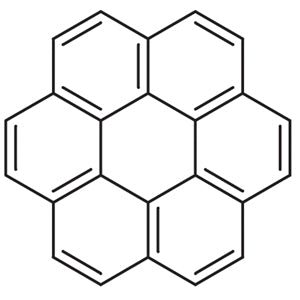
Coronene(purifiedbysublimation) TCI C1961
Regular price From Rp 4.584.300,00Regular priceRp 3.205.650,00Sale price From Rp 4.584.300,00 -
ZincPhthalocyanine(purifiedbysublimation) TCI Z0037
Regular price Rp 4.954.950,00Regular priceRp 3.480.750,00Sale price Rp 4.954.950,00