TCI A0058-25G Acetone Semicarbazone is the semicarbazone derivative of acetone, formed by the condensation of acetone with semicarbazide. In the laboratory it is classed as a non-heterocyclic organic building block and is recognized as a classic example of a crystalline carbonyl derivative. Its main role is as a reference material and starting material for experiments involving semicarbazone chemistry and related functional groups. Historically, semicarbazones were prepared to identify aldehydes and ketones, because their crystalline derivatives could be compared against literature data. This product is the 25 g pack of catalog item A0058 from TCI.
The compound contains an imine group conjugated with a urea unit, which makes it interesting for studies of reactivity and of coordination with metal ions. Its structure is simple, so it works well as a teaching model for students learning how carbonyl compounds are converted into derivatives. Because the chemical name and CAS number 110-20-3 are the same across pack sizes, laboratories can match the material to published reference data without ambiguity. The TCI brand is a familiar choice for research and teaching laboratories that want consistent catalog documentation.
In Indonesian laboratories, particularly those teaching organic chemistry and analysis, this material is useful for demonstrating how carbonyl derivatives are formed and for practising the interpretation of analytical data. It suits undergraduate practicals, method demonstrations, and small exploratory studies. Because this entry refers specifically to the 25 g pack, users who need a different size can consult the other A0058 entries in the TCI catalog.
Related TCI products
- TCI A0193 591-86-6 Acetaldehyde Semicarbazone
- TCI A0058 110-20-3 Acetone Semicarbazone
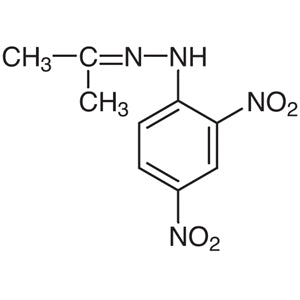
- TCI A1273 1567-89-1 Acetone 2,4-Dinitrophenylhydrazone
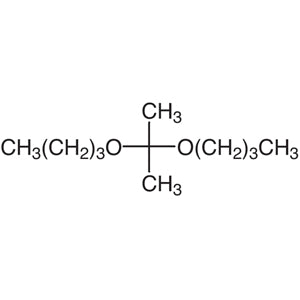
- TCI A0782 141-72-0 Acetone Dibutyl Acetal
- TCI T2051 85095-61-0 1,1,1',1'-Tetramethyl-4,4'-(methylenedi-p-phenylene)disemicarbazide
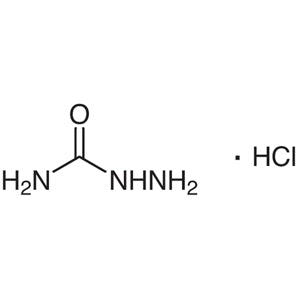
- TCI S0032 563-41-7 Semicarbazide Hydrochloride
- Carbonyl derivative demonstrations: as a well-known crystalline semicarbazone of acetone, it helps students see how aldehydes and ketones are converted into solid, characterizable derivatives.
- Reference material for semicarbazone chemistry: its simple and well-defined structure makes it a convenient comparison compound when studying the properties and behavior of other semicarbazone derivatives.
- Coordination chemistry studies: the imine group conjugated with the urea unit offers sites that are interesting for investigating how such ligands interact with metal ions.
- Organic synthesis starting material: as a non-heterocyclic building block, it can serve as an initial substrate in exploratory experiments involving semicarbazone and related functional groups.
- Teaching and data interpretation exercises: the simple structure suits practical classes where students practise reading analytical data and comparing results against published literature values.
| Brand | TCI |
|---|---|
| CAS number | 110-20-3 |
| Molecular formula | — |
| Purity | — |
| Category | Chemistry > Building Blocks > Non-Heterocyclic Building Blocks |
| Pack sizes | 25 g |
| Physical form | — |
| Storage | keep tightly closed in a cool, dry place, following the supplier's label and safety data sheet |
- Product code: A0058-25G
Store the material in its original, tightly closed container in a cool, dry, well-ventilated place, away from heat, moisture, and incompatible substances such as strong oxidizing agents. Check the product label and the safety data sheet for the exact storage conditions recommended by the manufacturer. Handle the powder in a well-ventilated area or fume hood, and wear standard personal protective equipment, including a laboratory coat, gloves, and safety glasses. Avoid generating dust and avoid contact with skin and eyes. Wash hands after handling, label any transfer containers clearly, and dispose of waste according to institutional and local regulations.
—
Produk Terkait
-
AcetaldehydeSemicarbazone TCI A0193
Regular price From Rp 1.087.800,00Regular priceRp 775.950,00Sale price From Rp 1.087.800,00 -
AcetoneSemicarbazone TCI A0058
Regular price From Rp 1.140.300,00Regular priceRp 5.778.150,00-80% Sale price From Rp 1.140.300,00Sale -
Acetone2,4-Dinitrophenylhydrazone TCI A1273
Regular price From Rp 1.140.300,00Regular priceRp 812.700,00Sale price From Rp 1.140.300,00 -
AcetoneDibutylAcetal TCI A0782
Regular price From Rp 1.936.200,00Regular priceRp 1.353.450,00Sale price From Rp 1.936.200,00 -
1,1,1',1'-Tetramethyl-4,4'-(methylenedi-p-phenylene)disemicarbazide TCI T2051
Regular price From Rp 822.150,00Regular priceRp 590.100,00Sale price From Rp 822.150,00 -
SemicarbazideHydrochloride TCI S0032
Regular price From Rp 557.550,00Regular priceRp 405.300,00Sale price From Rp 557.550,00 -
4-Phenylsemicarbazide TCI P0228
Regular price From Rp 1.510.950,00Regular priceRp 1.072.050,00Sale price From Rp 1.510.950,00 -
1-Phenylsemicarbazide TCI P0227
Regular price Rp 1.670.550,00Regular priceRp 1.183.350,00Sale price Rp 1.670.550,00