TCI A0107, 1-Acetyl-2-phenylhydrazine, is a hydrazine derivative in which one nitrogen carries an acetyl group and the other carries a phenyl group. In the catalogue it is classified as a non-heterocyclic organic building block. In the laboratory it serves as a starting material and intermediate in organic synthesis, particularly in chemistry that involves hydrazide and phenylhydrazine functionality. Researchers reach for it when a synthetic route calls for a defined aryl-hydrazide unit that can be carried into later transformations.
The combination of an acetyl group and a phenylhydrazine core gives this compound reactivity that differs from free phenylhydrazine. The acetyl group reduces the nucleophilicity of one nitrogen, which makes the material easier to handle and at the same time provides a foothold for subsequent steps. Hydrazine derivatives can also act as reducing agents and as ligands, which widens the range of chemistry in which this building block can be considered. These features make it a practical option for chemists who want a well-defined starting point rather than preparing the acylated intermediate themselves.
In Indonesia, this material is relevant to organic chemistry laboratories at universities and research centres that work on the synthesis of nitrogen-containing compounds. The 25 g pack size is adequate for laboratory-scale work, whether for reaction optimisation, small preparative syntheses or method development. Because compounds of the hydrazine group call for careful handling, users should read the manufacturer's safety information before use and plan their work accordingly.
- Organic synthesis intermediate: the compound serves as a ready-made aryl-hydrazide fragment that can be carried through multi-step routes without first preparing the acetylated phenylhydrazine in house.
- Hydrazide and phenylhydrazine chemistry: the acetyl and phenyl substituents on the two nitrogens make it a useful model and starting material for studying the reactivity of substituted hydrazines.
- Reaction optimisation studies: the 25 g pack gives enough material to screen solvents, temperatures and reagents on a laboratory scale while keeping the starting material consistent between runs.
- Nitrogen-compound research: university and institute groups building nitrogen-containing molecules can use it as a non-heterocyclic building block at an early stage of a synthetic sequence.
- Reducing agent and ligand exploration: as a hydrazine derivative it may behave as a reductant or a ligand, so researchers can evaluate it in exploratory work where those roles are of interest.
| Brand | TCI |
|---|---|
| CAS number | 114-83-0 |
| Molecular formula | — |
| Purity | — |
| Category | Chemistry > Building Blocks > Non-Heterocyclic Building Blocks |
| Pack sizes | 25 g |
| Physical form | — |
| Storage | follow the storage conditions given on the manufacturer's label and safety data sheet |
- Product code: A0107
Store 1-Acetyl-2-phenylhydrazine in its original, tightly closed manufacturer container, in a cool, dry and well-ventilated place away from incompatible materials, following the conditions stated on the label and safety data sheet. Since it belongs to the hydrazine group, it should be handled with care. Work in a fume hood or well-ventilated area and wear suitable gloves, a laboratory coat and eye protection. Avoid skin contact and inhalation of dust, keep the container closed when not in use, and weigh out only what is needed. Read the manufacturer's safety information before first use, and dispose of waste in line with your institution's chemical waste procedures.
—
Product Categories
Produk Terkait
-
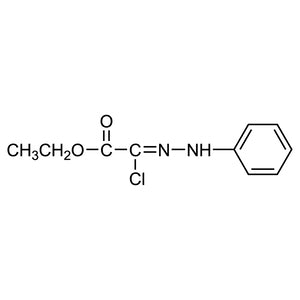
Ethyl2-Chloro-2-(2-phenylhydrazineylidene)acetate TCI C4073
Regular price From Rp 1.696.800,00Regular priceRp 1.202.250,00Sale price From Rp 1.696.800,00 -
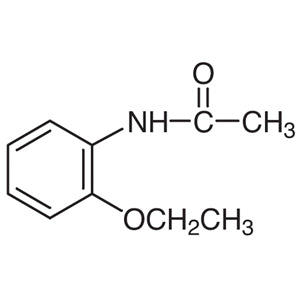
N-Acetyl-o-phenetidine TCI A0103
Regular price Rp 2.677.500,00Regular priceRp 1.887.900,00Sale price Rp 2.677.500,00 -
AcetylIodide TCI A0095
Regular price From Rp 6.438.600,00Regular priceRp 4.518.150,00Sale price From Rp 6.438.600,00 -
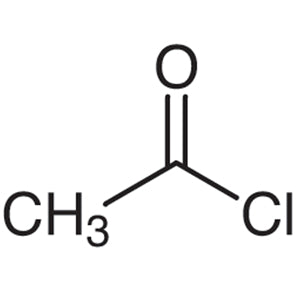
AcetylChloride TCI A0082
Regular price From Rp 848.400,00Regular priceRp 609.000,00Sale price From Rp 848.400,00 -
AcetylBromide TCI A0080
Regular price From Rp 742.350,00Regular priceRp 534.450,00Sale price From Rp 742.350,00 -
2-(Benzyloxy)acetylChloride TCI B3665
Regular price From Rp 1.776.600,00Regular priceRp 1.257.900,00Sale price From Rp 1.776.600,00 -
2-Acetyl-7-bromofluorene TCI A3061
Regular price Rp 3.180.450,00Regular priceRp 2.239.650,00Sale price Rp 3.180.450,00 -
4-Acetyl-3-hydroxyphenylAcetate TCI A2960
Regular price From Rp 1.696.800,00Regular priceRp 1.186.500,00Sale price From Rp 1.696.800,00