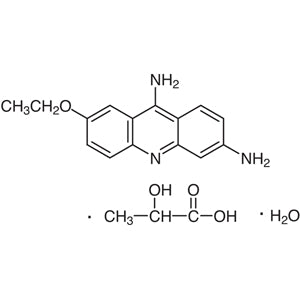
TCI A0136 Acrinol Monohydrate is an acridine derivative supplied in monohydrate form and widely known as an antiseptic compound. Its core structure is an acridine skeleton carrying amino and ethoxy groups, and the name appears frequently in pharmaceutical literature as a topical antiseptic ingredient. In the TCI catalogue it is grouped under Life Science, within Biochemicals and Reagents, in the antibiotics class. In the laboratory it therefore serves as a research reagent and a reference compound for antimicrobial studies and for acridine chemistry.
Several characteristics make this compound a sensible choice for such work. As a monohydrate, it contains one molecule of crystal water per formula unit, so molar mass calculations for solution preparation must account for the hydrate form. The conjugated aromatic system of the acridine skeleton gives the compound its colour and optical behaviour, which can be followed by spectroscopic methods. The same planar structure makes acridine derivatives an interesting subject for studies of interactions with cellular components, including nucleic acids, which keeps the compound relevant to microbiology and medicinal chemistry researchers.
For laboratories in Indonesia, the 25 g pack suits pharmaceutical, microbiology, and analytical chemistry laboratories that need a reference compound for antimicrobial investigations or acridine-based studies. It fits routine research work in academic institutions and quality-focused laboratories, where a branded reagent with a defined CAS number, 6402-23-9, supports traceable documentation, consistent comparison between experiments, and straightforward procurement for ongoing projects.
TCI brochures (PDF)
- Antimicrobials and Antitumor Agents for Research and Experimental Use 2025-04-24 · p. 7
- Pharmaceutical Ingredients for Research and Experimental Use 2026-03-09 · p. 7
- Antimicrobial research: as an acridine-based antiseptic compound, it serves as a reference material when laboratories compare the behaviour of antiseptic agents against microorganisms in controlled research settings.
- Acridine chemistry studies: the amino- and ethoxy-substituted acridine skeleton gives chemists a defined structure for investigating how substituents influence the properties and reactivity of this heterocyclic family.
- Spectroscopic investigation: the conjugated aromatic system gives the compound colour and optical properties, so analysts can monitor it by spectroscopic techniques when characterising absorbance behaviour in prepared solutions.
- Nucleic acid interaction studies: the planar acridine structure makes the compound a useful subject for researchers examining how acridine derivatives interact with cellular components, including nucleic acids, in medicinal chemistry work.
- Pharmaceutical reference work: because the name is well established in pharmaceutical literature as a topical antiseptic ingredient, it supports laboratories that need a comparison compound for formulation-related and analytical studies.
| Brand | TCI |
|---|---|
| CAS number | 6402-23-9 |
| Molecular formula | — |
| Purity | — |
| Category | Life Science > Biochemicals and Reagents > Antibiotics |
| Pack sizes | 25 g |
| Physical form | — |
| Storage | — |
- Product code: A0136
- Form: Monohydrate (one molecule of crystal water per formula unit); store according to the supplier's label
Store the container tightly closed in a cool, dry place away from direct light and heat, following the storage instructions printed on the supplier's label and safety data sheet. Because the compound is a hydrate, keep it sealed to avoid changes in its water content, and always use the original glass or chemically compatible container. Handle it in a well-ventilated area or fume hood while wearing a laboratory coat, safety glasses, and chemical-resistant gloves. Avoid creating dust, skin contact, and inhalation. Label prepared solutions clearly with the date and concentration, keep the compound away from incompatible materials, and dispose of waste in line with your institution's chemical waste procedures.
—
Product Categories
- Biochemicals and ReagentsAntibioticsAntibiotics (Chemical Structure Class)
- Biochemicals and ReagentsPharmaceutical Research Reagents (for Experimental Use)Antimicrobial Ingredients (for Research and Experimental Use)
- Cell BiologyCancer ResearchAntitumor Agents for Research
- MicrobiologyAntibioticsAntibiotics (Chemical Structure Class)
- Pharmaceutical Development and Drug Discovery ResearchPharmaceutical Research Reagents (for Experimental Use)Antimicrobial Ingredients (for Research and Experimental Use)
- Pharmaceutical Development and Drug Discovery ResearchAntibioticsAntibiotics (Chemical Structure Class)
Produk Terkait
-
Sulfaphenazole TCI U0170
Regular price Rp 3.445.050,00Regular priceRp 2.424.450,00Sale price Rp 3.445.050,00 -
Tebuconazole TCI T2988
Regular price Rp 848.400,00Regular priceRp 609.000,00Sale price Rp 848.400,00 -
BleomycinSulfate(mixture) TCI B3972
Regular price Rp 4.345.950,00Regular priceRp 3.054.450,00Sale price Rp 4.345.950,00 -
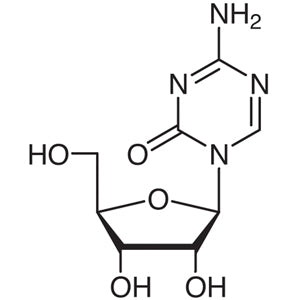
5-Azacytidine TCI A2033
Regular price Rp 1.167.600,00Regular priceRp 831.600,00Sale price Rp 1.167.600,00 -
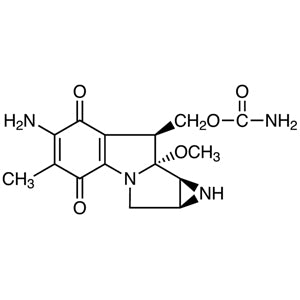
Ametycin TCI M2320
Regular price Rp 2.914.800,00Regular priceRp 2.053.800,00Sale price Rp 2.914.800,00 -
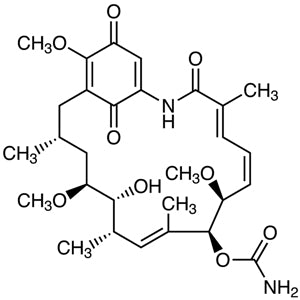
Geldanamycin TCI G0334
Regular price Rp 7.737.450,00Regular priceRp 5.426.400,00Sale price Rp 7.737.450,00 -
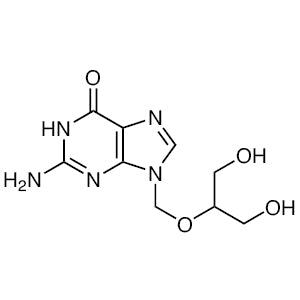
Ganciclovir TCI G0315
Regular price Rp 3.392.550,00Regular priceRp 2.387.700,00Sale price Rp 3.392.550,00 -
EpirubicinHydrochloride TCI E0840
Regular price Rp 3.815.700,00Regular priceRp 2.683.800,00Sale price Rp 3.815.700,00