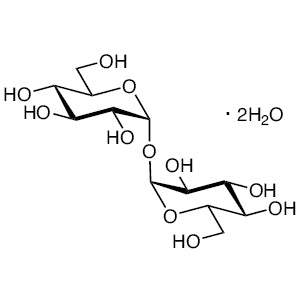
Bleomycin Sulfate (mixture), with CAS number 9041-93-4, is a chemical compound widely used in laboratory research across the fields of chemical biology and glycoscience. This compound plays a crucial role in studying the mechanisms of anti-cancer agents and evaluating their therapeutic potential. It is commonly employed in cancer therapy research to assess the effectiveness of chemotherapy treatments and to explore new approaches in oncology. Its presence in laboratory settings allows scientists to analyze its biochemical interactions and develop more targeted treatment strategies.
Bleomycin Sulfate is valued for its strong anti-cancer activity and its ability to interact with DNA, making it a preferred choice in pharmaceutical and biomedical research. It is chemically stable under certain conditions but remains sensitive to light and heat, requiring careful handling. Its toxic nature necessitates strict safety protocols to ensure the well-being of laboratory personnel. Despite these challenges, its high reactivity and specificity make it an essential tool for precise and accurate research outcomes.
In Indonesian laboratories, Bleomycin Sulfate is utilized in public health research, particularly in pharmacology and oncology. It supports the development of new drugs and contributes to the advancement of cancer treatment options relevant to the country's medical needs. Its application is critical in both academic and applied research settings, ensuring that scientific progress aligns with local healthcare priorities.
TCI brochures (PDF)
- Quorum Sensing Research Reagents 2024-10-17 · p. 1
- Reagents for Preparing Animal Disease Models 2024-09-13 · p. 2
- Immunology Research Reagents 2026-06-03 · p. 8
- Antimicrobials and Antitumor Agents for Research and Experimental Use 2025-04-24 · p. 4
- Reagents for Glyco Chemistry & Biology 5th Edition · p. 76
- Pharmaceutical Ingredients for Research and Experimental Use 2026-03-09 · p. 4
- Cancer Chemotherapy Research: Bleomycin Sulfate is used to evaluate the efficacy of chemotherapy treatments and to study its impact on cancer cell proliferation.
- Anti-Cancer Activity Testing: This compound is ideal for assessing the potency of anti-cancer agents in vitro and in vivo experiments.
- Drug Development Studies: Its role in understanding DNA interaction mechanisms supports the development of novel therapeutic agents.
- Oncology Research: Bleomycin Sulfate is a key component in studies focused on cancer biology and treatment strategies.
- Pharmacological Investigations: It is used to explore the biochemical pathways involved in cancer treatment and drug metabolism.
| Brand | TCI |
|---|---|
| CAS number | 9041-93-4 |
| Molecular formula | — |
| Purity | — |
| Category | Chemistry > Chemical Biology > Glycoscience |
| Pack sizes | Available in various quantities as per supplier specifications |
| Physical form | Powder or solution, depending on formulation |
| Storage | Store in a cool, dark place away from light and heat |
Bleomycin Sulfate should be stored in a cool, dark environment to maintain its chemical stability and prevent degradation. It is recommended to use amber-colored containers to minimize exposure to light, which can affect its integrity. Due to its toxic nature, proper personal protective equipment, such as gloves and safety goggles, must be worn during handling. The compound should be kept in a secure location, away from incompatible substances. Regular monitoring of storage conditions is essential to ensure the safety of laboratory personnel and the integrity of the compound. All procedures involving Bleomycin Sulfate must follow established safety protocols to mitigate risks associated with its handling.
—
Product Categories
- GlycoscienceApplications Using Glyco-materialsGlyco-functional Analysis [Applications Using Glyco-materials]
- GlycoscienceDisaccharides [Glycoscience]
- GlycoscienceFunctional OligosaccharidesNatural Glycosides [Functional Oligosaccharides]
- Biochemicals and ReagentsAnimal Disease Models PreparationReagents for Inflammation and Immunity Disorder Models
- Biochemicals and ReagentsAntibioticsAntibiotics (Chemical Structure Class)
- Biochemicals and ReagentsCarbohydrates
- Biochemicals and ReagentsPharmaceutical Research Reagents (for Experimental Use)Antimicrobial Ingredients (for Research and Experimental Use)
- Biochemicals and ReagentsPharmaceutical Research Reagents (for Experimental Use)Antitumor Research Reagents (for Experimental Use)
- Cell BiologyCancer ResearchAntitumor Agents for Research
- MicrobiologyAntibioticsAntibiotics (Chemical Structure Class)
- MicrobiologyQuorum Sensing ResearchQuorum Sensing Inhibitors and Antagonists, etc.
- Pharmaceutical Development and Drug Discovery ResearchPharmaceutical Research Reagents (for Experimental Use)Antimicrobial Ingredients (for Research and Experimental Use)
- Pharmaceutical Development and Drug Discovery ResearchPharmaceutical Research Reagents (for Experimental Use)Antitumor Research Reagents (for Experimental Use)
- Pharmaceutical Development and Drug Discovery ResearchAntibioticsAntibiotics (Chemical Structure Class)
Produk Terkait
-
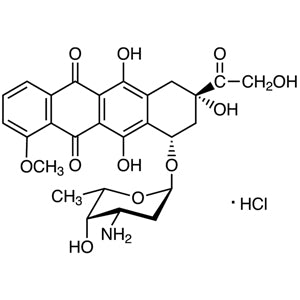
DoxorubicinHydrochloride TCI D4193
Regular price From Rp 6.095.250,00Regular priceRp 4.277.700,00Sale price From Rp 6.095.250,00 -
Hesperidin TCI H0049
Regular price From Rp 1.272.600,00Regular priceRp 905.100,00Sale price From Rp 1.272.600,00 -
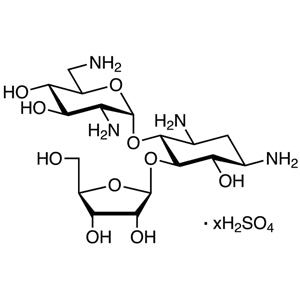
RibostamycinSulfate TCI R0194
Regular price Rp 6.756.750,00Regular priceRp 4.740.750,00Sale price Rp 6.756.750,00 -
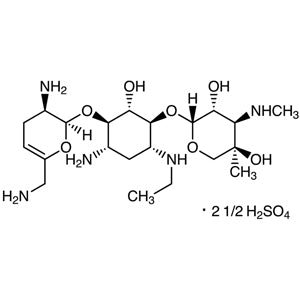
NetilmicinSulfate TCI N1108
Regular price From Rp 3.419.850,00Regular priceRp 2.406.600,00Sale price From Rp 3.419.850,00 -
Teniposide TCI T3109
Regular price From Rp 1.538.250,00Regular priceRp 1.090.950,00Sale price From Rp 1.538.250,00 -
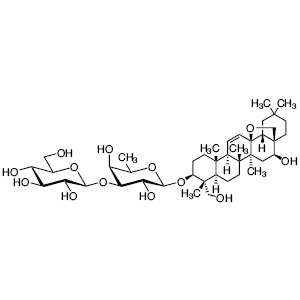
SaikosaponinA TCI A3408
Regular price From Rp 2.411.850,00Regular priceRp 1.702.050,00Sale price From Rp 2.411.850,00 -
D-(+)-TrehaloseAnhydrous TCI T0832
Regular price From Rp 1.167.600,00Regular priceRp 831.600,00Sale price From Rp 1.167.600,00 -
D-(+)-TrehaloseDihydrate TCI T0331
Regular price From Rp 557.550,00Regular priceRp 405.300,00Sale price From Rp 557.550,00