Adenosine 5'-Diphosphate Disodium Salt (ADP disodium) is a chemical compound widely used in laboratory experiments, particularly in biochemistry and molecular biology. As a sodium salt form of adenosine diphosphate, it plays a crucial role in cellular energy metabolism. This compound is essential for studying enzyme activation mechanisms and metabolic regulation in biological systems. Its versatility makes it a valuable tool in both basic and applied research settings.
The chemical properties of ADP disodium make it a preferred choice for researchers. It exhibits high solubility in water, allowing for easy dissolution in aqueous solutions for various biochemical reactions. Its stability under controlled conditions ensures reliable results in experiments. Additionally, its high purity and consistent quality make it suitable for applications requiring precision and accuracy. These features contribute to its widespread use in scientific research.
In Indonesian laboratories, ADP disodium is commonly used in studies related to animal diseases. It is employed in the development of disease models and in testing responses to therapeutic interventions. Its role in simulating physiological conditions relevant to disease mechanisms makes it an essential component in biomedical research. Researchers rely on its consistent performance to obtain reproducible and meaningful data.
TCI brochures (PDF)
- Reagents for Preparing Animal Disease Models 2024-09-13 · p. 1
- Nucleosides, Nucleotides, Nucleic Acids and Related Reagents 2026-03-23 · p. 7
- Reagents for Biological Research 2025-03-11 · p. 49
Related TCI products
- TCI A2117 4578-31-8 Adenosine 5'-Monophosphate Disodium Salt
- TCI C0523 34393-59-4 Cytidine 5'-Diphosphate Trisodium Salt
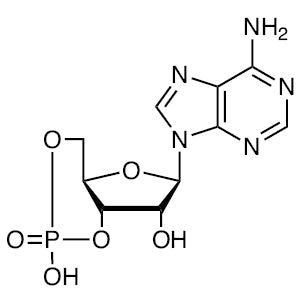
- TCI A2381 60-92-4 Adenosine 3',5'-Cyclic Monophosphate
- TCI A2112 37839-81-9 Adenosine 3',5'-Cyclic Monophosphate Sodium Salt
- TCI A0157 34369-07-8 Adenosine 5'-Triphosphate Disodium Salt Hydrate
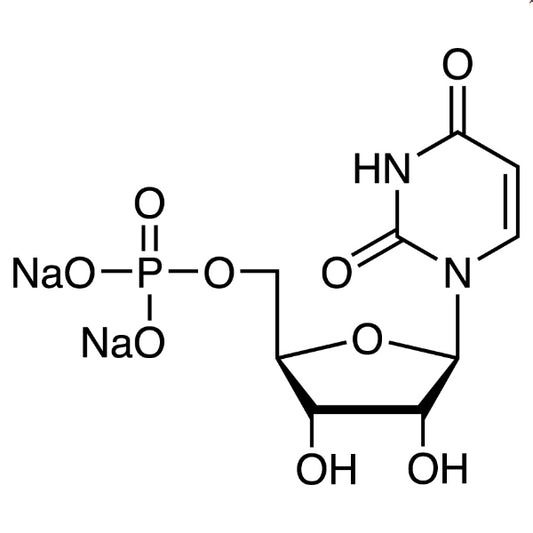
- TCI U0021 3387-36-8 Uridine 5'-Monophosphate Disodium Salt
- Animal Disease Models Preparation: ADP disodium is used to simulate physiological conditions relevant to disease mechanisms, aiding in the development of accurate disease models for research.
- Enzymatic Reaction Substrates: Its role as a substrate in enzymatic reactions allows researchers to study enzyme activation and metabolic pathways in detail.
- Metabolic Regulation Studies: ADP disodium helps in understanding the regulation of cellular energy metabolism, providing insights into metabolic disorders and their treatment.
- Biochemical Assay Development: Due to its high solubility and stability, it is ideal for creating and standardizing biochemical assays for research and diagnostic purposes.
- Research on Cellular Energy Processes: It is crucial for experiments investigating the role of ADP in cellular energy transfer and ATP regeneration pathways.
| Brand | TCI |
|---|---|
| CAS number | 16178-48-6 |
| Molecular formula | — |
| Purity | — |
| Category | Life Science > Biochemicals and Reagents > Animal Disease Models Preparation |
| Pack sizes | Available in various quantities as per standard laboratory requirements |
| Physical form | White crystalline powder |
| Storage | Store in a cool, dry place away from moisture and light |
ADP disodium should be stored in a cool, dry place, away from moisture and direct light to maintain its stability and chemical integrity. It is recommended to use airtight containers to prevent exposure to humidity, which can affect its solubility and performance. Due to its high solubility, it should be handled in a well-ventilated area to avoid inhalation of fine particles. Always use appropriate personal protective equipment, such as gloves and safety goggles, when handling this compound. Proper storage and handling ensure the compound remains effective for use in laboratory experiments.
—
Produk Terkait
-
Adenosine5'-MonophosphateDisodiumSalt TCI A2117
Regular price Rp 1.988.700,00Regular priceRp 1.405.950,00Sale price Rp 1.988.700,00 -
Cytidine5'-DiphosphateTrisodiumSalt TCI C0523
Regular price From Rp 530.250,00Regular priceRp 386.400,00Sale price From Rp 530.250,00 -
Adenosine3',5'-CyclicMonophosphate TCI A2381
Regular price From Rp 2.757.300,00Regular priceRp 1.943.550,00Sale price From Rp 2.757.300,00 -
Adenosine3',5'-CyclicMonophosphateSodiumSalt TCI A2112
Regular price Rp 1.643.250,00Regular priceRp 1.164.450,00Sale price Rp 1.643.250,00 -
Adenosine5'-TriphosphateDisodiumSaltHydrate TCI A0157
Regular price From Rp 610.050,00Regular priceRp 442.050,00Sale price From Rp 610.050,00 -
Uridine5'-MonophosphateDisodiumSalt TCI U0021
Regular price From Rp 2.093.700,00Regular priceRp 1.479.450,00Sale price From Rp 2.093.700,00 -
Thymidine5'-MonophosphateDisodiumSalt TCI T0845
Regular price Rp 2.306.850,00Regular priceRp 1.628.550,00Sale price Rp 2.306.850,00 -
Inosine5'-MonophosphateDisodiumSaltHydrate TCI I0036
Regular price From Rp 505.050,00Regular priceRp 368.550,00Sale price From Rp 505.050,00