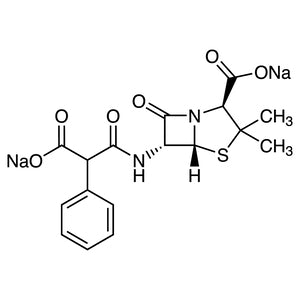
Acriflavine Hydrochloride is a chemical compound widely used in laboratory settings across life sciences and bio-pharmaceutical research. It is a mixture of 3,6-Diamino-10-methylacridinium Chloride Hydrochloride and 3,6-Diaminoacridine Hydrochloride, both of which exhibit antibacterial and antifungal properties. This compound plays a crucial role in various biochemical and microbiological applications, serving as a staining agent, a disinfectant, and a tool for microbial analysis. Its unique chemical structure allows it to interact with DNA and proteins of microorganisms, making it a versatile reagent in laboratory experiments.
The stability and controlled reactivity of Acriflavine Hydrochloride make it a preferred choice for researchers working with microbial cultures and living cells. Its ability to remain chemically stable under various conditions ensures consistent results in experiments. Additionally, its solubility in organic solvents simplifies its use in a wide range of chemical reactions. These properties make it an essential component in both basic and advanced laboratory procedures.
In Indonesian laboratories, Acriflavine Hydrochloride is commonly used in microbiological studies, biochemistry experiments, and pharmaceutical research. It is particularly valued for its safety profile, as it is non-toxic and does not produce harmful reactions under controlled laboratory conditions. Its reliability and effectiveness have made it a standard reagent in many research facilities across the country.
TCI brochures (PDF)
- Efflux Pump Research Reagents 2024-12-24 · p. 1
- Antimicrobials and Antitumor Agents for Research and Experimental Use 2025-04-24 · p. 7
- Pharmaceutical Ingredients for Research and Experimental Use 2026-03-09 · p. 7
Related TCI products
- TCI A0134 8048-52-0 Acriflavine (mixture of 3,6-Diamino-10-methylacridinium Chloride and 3,6-Diaminoacridine)
- TCI B3972 9041-93-4 Bleomycin Sulfate (mixture)
- TCI C2241 4800-94-6 Carbenicillin Disodium (mixture of isomers)
- TCI T2286 738-70-5 Trimethoprim
- TCI A0420 65-49-6 4-Aminosalicylic Acid
- TCI A0423 6018-19-5 Sodium 4-Aminosalicylate Dihydrate
- Microbial Staining and Identification: Acriflavine Hydrochloride is used to stain bacterial and fungal cells, aiding in their visualization and classification under a microscope.
- Antimicrobial Activity Testing: Its antibacterial and antifungal properties make it suitable for evaluating the effectiveness of antimicrobial agents against various pathogens.
- Biochemical Reactions: The compound's solubility in organic solvents allows it to be used in biochemical assays and reaction mixtures where organic solvents are required.
- DNA and Protein Binding Studies: Due to its ability to interact with DNA and proteins, it is used in studies examining molecular interactions within microbial cells.
- Disinfectant Application: It is utilized in laboratory settings as a disinfectant to eliminate microbial contamination in culture media and equipment.
| Brand | TCI |
|---|---|
| CAS number | 69235-50-3 |
| Molecular formula | — |
| Purity | — |
| Category | Life Science > Biochemicals and Reagents > Antibiotics |
| Pack sizes | Available in various quantities as per supplier specifications |
| Physical form | Solid powder |
| Storage | Store in a cool, dry place away from direct sunlight |
Acriflavine Hydrochloride should be stored in a cool, dry place, away from direct sunlight and moisture. It is recommended to use airtight containers to prevent exposure to humidity, which may affect its stability. As a chemical reagent, it should be handled with care, using appropriate personal protective equipment such as gloves and safety goggles. While it is considered non-toxic and safe under controlled laboratory conditions, it is still important to follow standard laboratory safety protocols to ensure proper handling and storage. This ensures the compound remains effective and safe for use in various experimental applications.
—
Product Categories
- Biochemicals and ReagentsAntibioticsAntibiotics (Chemical Structure Class)
- Biochemicals and ReagentsPharmaceutical Research Reagents (for Experimental Use)Antimicrobial Ingredients (for Research and Experimental Use)
- MicrobiologyAntibioticsAntibiotics (Chemical Structure Class)
- MicrobiologyEfflux Pump ResearchDyes for Efflux Pump Assay
- Pharmaceutical Development and Drug Discovery ResearchPharmaceutical Research Reagents (for Experimental Use)Antimicrobial Ingredients (for Research and Experimental Use)
- Pharmaceutical Development and Drug Discovery ResearchAntibioticsAntibiotics (Chemical Structure Class)
Produk Terkait
-
Acriflavine(mixtureof3,6-Diamino-10-methylacridiniumChlorideand3,6-Diaminoacridine) TCI A0134
Regular price Rp 2.173.500,00Regular priceRp 1.535.100,00Sale price Rp 2.173.500,00 -
BleomycinSulfate(mixture) TCI B3972
Regular price From Rp 4.345.950,00Regular priceRp 3.054.450,00Sale price From Rp 4.345.950,00 -
CarbenicillinDisodium(mixtureofisomers) TCI C2241
Regular price Rp 4.636.800,00Regular priceRp 3.258.150,00Sale price Rp 4.636.800,00 -
Trimethoprim TCI T2286
Regular price From Rp 2.041.200,00Regular priceRp 1.442.700,00Sale price From Rp 2.041.200,00 -
4-AminosalicylicAcid TCI A0420
Regular price From Rp 822.150,00Regular priceRp 590.100,00Sale price From Rp 822.150,00 -
Sodium4-AminosalicylateDihydrate TCI A0423
Regular price From Rp 928.200,00Regular priceRp 664.650,00Sale price From Rp 928.200,00 -
Wortmannin TCI W0007
Regular price Rp 11.632.950,00Regular priceRp 8.150.100,00Sale price Rp 11.632.950,00 -
ValganciclovirHydrochloride TCI V0158
Regular price From Rp 1.618.050,00Regular priceRp 1.146.600,00Sale price From Rp 1.618.050,00