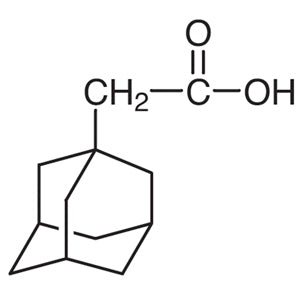
1-Adamantaneacetic Acid is a chemical compound widely used in organic synthesis reactions. It serves as a key building block in the creation of complex molecules with specific carbon chain structures. This compound is commonly found in chemical laboratories as a raw material for the synthesis of various compounds. Its role is essential in the development of heterocyclic structures and more complex molecular frameworks. Due to its chemical stability, it is suitable for participation in nucleophilic and electrophilic reactions, making it a versatile reagent in synthetic chemistry.
The chemical properties of 1-Adamantaneacetic Acid make it a preferred choice for researchers. Its specific molecular structure allows it to bond with various functional groups, enabling the synthesis of targeted compounds. This characteristic makes it an ideal reagent for the creation of compounds with precise structural requirements. Its stability under a range of reaction conditions also enhances its utility in diverse synthetic processes. These properties contribute to its popularity in both academic and industrial research settings.
In Indonesian laboratories, 1-Adamantaneacetic Acid is frequently used in organic chemistry research, especially in the fields of pharmacy and materials science. Local researchers often utilize this compound to develop new substances with potential applications in medicine or industry. Its role in the synthesis of bioactive compounds and complex structures makes it an essential component in many research projects conducted in Indonesia.
TCI brochures (PDF)
- Building Blocks for Synthesis of Proteolysis Targeting Compounds 2025-01-06 · p. 1
Related TCI products
- Synthesis of heterocyclic compounds with complex structures due to its ability to form stable bonds with functional groups.
- Development of pharmacological substances with specific biological activities through controlled chemical reactions.
- Creation of advanced materials with unique molecular architectures by participating in organic synthesis processes.
- Research in medicinal chemistry for the design of new therapeutic agents with targeted molecular properties.
- Investigation of chemical reactivity in organic synthesis to explore new reaction pathways and molecular transformations.
From the TCI brochure
- Ubiquitin ligase ligand for synthesis of proteolysis targeting compounds
| Brand | TCI |
|---|---|
| CAS number | 4942-47-6 |
| Molecular formula | — |
| Purity | — |
| Category | Chemistry > Building Blocks > Non-Heterocyclic Building Blocks |
| Pack sizes | Available in various quantities as per standard chemical supply practices |
| Physical form | Solid or liquid, depending on the specific formulation |
| Storage | Store in a cool, dry place away from direct sunlight and moisture |
This compound should be stored in a cool, dry environment to maintain its chemical stability. It is recommended to keep it in a sealed container to prevent exposure to moisture and air. Suitable storage containers include glass or high-density polyethylene bottles to ensure chemical integrity. Avoid storing near incompatible substances such as strong oxidizers or acids. In laboratory settings, always handle with appropriate personal protective equipment. Ensure proper ventilation when working with this compound to minimize inhalation risks. Regular monitoring of storage conditions is essential to maintain the quality and effectiveness of the material.
—
Product Categories
Produk Terkait
-
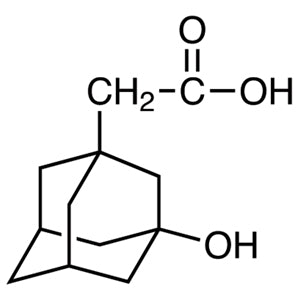
3-Hydroxy-1-adamantaneaceticAcid TCI H1414
Regular price From Rp 1.115.100,00Regular price -
Adamantane-1,3-diamine TCI A3265
Regular price From Rp 3.419.850,00Regular price -
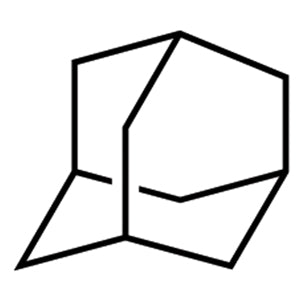
Adamantane(purifiedbysublimation) TCI A3233
Regular price From Rp 1.644.300,00Regular price -
Adamantane TCI A0696
Regular price From Rp 1.035.300,00Regular price -
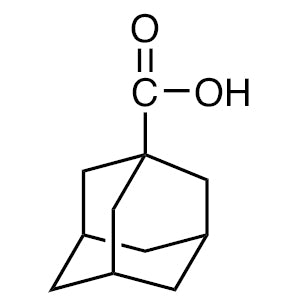
1-AdamantanecarboxylicAcid(purifiedbysublimation) TCI A3391
Regular price From Rp 1.035.300,00Regular price -
1-AdamantanecarboxylicAcid TCI A0742
Regular price From Rp 1.378.650,00Regular price -
Ethyl1-Adamantanecarboxylate TCI A0722
Regular price From Rp 2.227.050,00Regular price -
4-Oxo-1-adamantanecarboxylicAcid TCI O0369
Regular price Rp 2.254.350,00Regular price