Adamantane-1,3-diamine (TCI A3265), with CAS number 10303-95-4, is a chemical compound widely used as a building block in the synthesis of complex molecules. It serves as a fundamental component in organic chemistry, particularly in the development of heterocyclic and structurally intricate compounds. Its unique structure, featuring an adamantane framework with two amino groups at positions 1 and 3, provides a stable and versatile platform for chemical modifications. This compound is highly valued in laboratory settings due to its ability to participate in various synthetic pathways without compromising the integrity of the target molecule.
The compound’s non-heterocyclic nature and controlled reactivity make it a preferred choice for researchers aiming to build complex molecular architectures. Its molecular stability ensures that it remains chemically inert under a wide range of reaction conditions, which is crucial for maintaining the desired outcome in synthetic processes. Additionally, its ability to engage in substitution reactions and bond-forming processes enhances its utility in diverse chemical applications. These properties contribute to its popularity among chemists working on advanced synthetic projects.
In Indonesian laboratories, Adamantane-1,3-diamine is commonly used in organic chemistry research, especially in the synthesis of complex compounds and drug development. It is a key reagent in academic and industrial settings, supporting both basic research and applied chemical innovation. Many research institutions in Indonesia rely on this compound for its reliability and effectiveness in chemical synthesis, making it an essential tool in the field.
Related TCI products
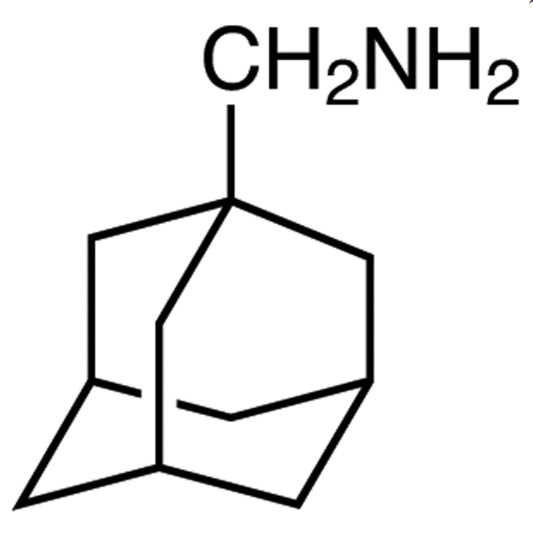
- TCI A0721 17768-41-1 1-Adamantanemethylamine
- TCI T1436 4559-79-9 N,N,N',N'-Tetramethyl-2-butene-1,4-diamine
- TCI B3923 4488-22-6 1,1'-Binaphthyl-2,2'-diamine
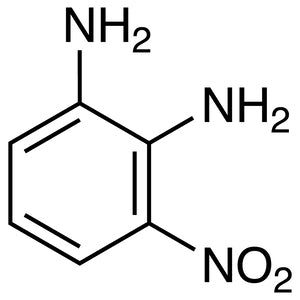
- TCI N1301 3694-52-8 3-Nitrobenzene-1,2-diamine
- TCI M1822 4760-34-3 N1-Methylbenzene-1,2-diamine
- TCI D6282 75389-89-8 2,4(or 4,6)-Diethyl-6(or 2)-methylbenzene-1,3-diamine (mixture of isomers)
- Organic synthesis of complex molecules where structural stability and reactivity are critical factors.
- Development of heterocyclic compounds and pharmaceuticals requiring precise molecular frameworks.
- Research in medicinal chemistry for the design and synthesis of bioactive compounds.
- Academic and industrial applications in the creation of new chemical entities with specific functional groups.
- Support for advanced chemical reactions that require non-heterocyclic building blocks for structural integrity.
| Brand | TCI |
|---|---|
| CAS number | 10303-95-4 |
| Molecular formula | — |
| Purity | — |
| Category | Chemistry > Building Blocks > Non-Heterocyclic Building Blocks |
| Pack sizes | Available in various quantities as per supplier specifications |
| Physical form | Solid (as per standard product description) |
| Storage | Store in a cool, dry place away from moisture and direct sunlight |
Adamantane-1,3-diamine should be stored in a cool, dry environment to maintain its chemical integrity and prevent degradation. It is recommended to use airtight containers to protect the compound from moisture and humidity. Since it is a solid, it should be kept in a secure location away from potential contaminants. In laboratory settings, it is important to handle the compound with appropriate personal protective equipment to ensure safety. Regular monitoring of storage conditions is advised to maintain optimal stability and usability of the material. Proper labeling and storage practices help in maintaining a safe and efficient laboratory environment.
—
Produk Terkait
-
1-Adamantanemethylamine TCI A0721
Regular price From Rp 3.949.050,00Regular priceRp 2.777.250,00Sale price From Rp 3.949.050,00 -
N,N,N',N'-Tetramethyl-2-butene-1,4-diamine TCI T1436
Regular price Rp 3.710.700,00Regular priceRp 2.594.550,00Sale price Rp 3.710.700,00 -
1,1'-Binaphthyl-2,2'-diamine TCI B3923
Regular price Rp 3.949.050,00Regular priceRp 2.777.250,00Sale price Rp 3.949.050,00 -
3-Nitrobenzene-1,2-diamine TCI N1301
Regular price From Rp 1.008.000,00Regular priceRp 720.300,00Sale price From Rp 1.008.000,00 -
N1-Methylbenzene-1,2-diamine TCI M1822
Regular price From Rp 1.988.700,00Regular priceRp 1.390.200,00Sale price From Rp 1.988.700,00 -
2,4(or4,6)-Diethyl-6(or2)-methylbenzene-1,3-diamine(mixtureofisomers) TCI D6282
Regular price From Rp 1.670.550,00Regular priceRp 1.183.350,00Sale price From Rp 1.670.550,00 -
N1-[3',5'-Di-tert-butyl-[1,1'-biphenyl]-2-yl]-N2-[2-(3,5-di-tert-butylphenyl)naphthalen-1-yl]benzene-1,2-diamine TCI D6240
Regular price From Rp 2.464.350,00Regular priceRp 1.738.800,00Sale price From Rp 2.464.350,00