3-Hydroxy-1-adamantaneacetic Acid is an adamantane-based building block that carries a hydroxyl group on its rigid cage framework together with an acetic acid side chain at a bridgehead position. Adamantane itself is a three-dimensional, cage-shaped hydrocarbon that is exceptionally stable and rigid, which is why it is so often used to add bulk and conformational rigidity to target molecules. In the laboratory, this compound serves as a versatile intermediate in organic synthesis, particularly in medicinal chemistry programmes that require a lipophilic fragment with well-defined geometry.
The characteristic that makes this material a preferred choice is the combination of a chemically very stable adamantane framework with two functional groups that can be manipulated independently of one another. The carboxylic acid on the acetic acid chain is readily coupled to form amides or esters using standard coupling reagents, while the tertiary hydroxyl group on the adamantane cage provides a polar handle and an opportunity for further modification. Because the two handles react under different conditions, chemists can build up molecular complexity in a controlled, stepwise fashion.
The hydroxyadamantane motif is known to appear in the scaffolds of active compounds in the DPP-4 inhibitor class, so this material is widely studied as an intermediate in research on the synthesis of drug compounds and their analogues. In Indonesian laboratories it is typically used in university and institutional research settings, in synthetic organic chemistry groups and in medicinal chemistry work where a defined, rigid lipophilic fragment is needed as a starting point for further derivatisation.
Related TCI products
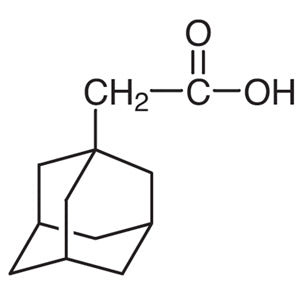
- TCI A0736 4942-47-6 1-Adamantaneacetic Acid
- TCI T4007 223255-30-9 N,N'-[(Perfluoropropane-2,2-diyl)bis(6-hydroxy-3,1-phenylene)]bis(1,3-dioxo-1,3-dihydroisobenzofuran-5-carboxamide)
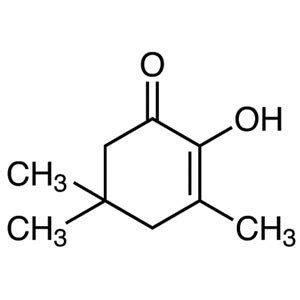
- TCI T2723 4883-60-7 2-Hydroxy-3,5,5-trimethyl-2-cyclohexen-1-one
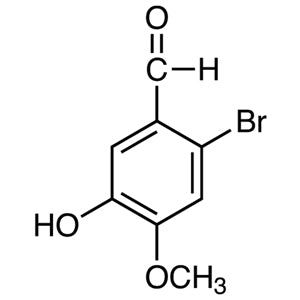
- TCI B4681 2973-59-3 2-Bromo-5-hydroxy-4-methoxybenzaldehyde
- TCI B4556 70978-54-0 5'-Bromo-2'-hydroxy-3'-nitroacetophenone
- TCI B3229 2208-15-3 4-Bromo-3-hydroxy-2-naphthoic Acid
- Medicinal chemistry intermediate synthesis: the rigid adamantane cage delivers a lipophilic fragment with defined geometry, which is valuable when building candidate scaffolds that require controlled three-dimensional shape.
- DPP-4 inhibitor analogue research: the hydroxyadamantane motif is known from this compound class, making the material a natural starting point for preparing and studying structural analogues in the laboratory.
- Amide bond formation studies: the carboxylic acid on the acetic acid chain couples readily with amines using standard coupling reagents, supporting method development and routine amide library preparation.
- Ester preparation and derivatisation: the same carboxylate handle can be converted to esters under conventional conditions, allowing researchers to tune polarity and solubility of downstream target molecules.
- Selective functional group manipulation training: the tertiary hydroxyl and the carboxylic acid react under different conditions, making the compound useful for teaching and practising orthogonal protection and stepwise synthesis strategies.
| Brand | TCI |
|---|---|
| CAS number | 17768-36-4 |
| Molecular formula | — |
| Purity | — |
| Category | Chemistry > Building Blocks > Non-Heterocyclic Building Blocks |
| Pack sizes | available in the standard research pack sizes offered for this catalogue item |
| Physical form | — |
| Storage | store according to the conditions stated on the manufacturer's label and safety data sheet |
- Catalogue number: H1414
Store the container tightly closed in a cool, dry and well-ventilated area, away from direct sunlight, moisture and incompatible materials, following the conditions stated on the manufacturer's label and safety data sheet. Original manufacturer packaging is the most suitable container; if transfer is necessary, use clean, dry, chemically compatible glass or plastic vessels that are clearly labelled with the compound name and CAS number. Handle the material in a fume hood using a laboratory coat, chemical-resistant gloves and safety goggles, avoid generating dust, and wash hands thoroughly after use. Keep the container sealed when not in use to prevent moisture uptake, and dispose of residues and contaminated materials in accordance with applicable laboratory chemical waste procedures.
—
Produk Terkait
-
1-AdamantaneaceticAcid TCI A0736
Regular price From Rp 1.988.700,00Regular price -
N,N'-[(Perfluoropropane-2,2-diyl)bis(6-hydroxy-3,1-phenylene)]bis(1,3-dioxo-1,3-dihydroisobenzofuran-5-carboxamide) TCI T4007
Regular price From Rp 1.776.600,00Regular price -
2-Hydroxy-3,5,5-trimethyl-2-cyclohexen-1-one TCI T2723
Regular price Rp 1.273.650,00Regular price -
2-Bromo-5-hydroxy-4-methoxybenzaldehyde TCI B4681
Regular price Rp 4.293.450,00Regular price -
5'-Bromo-2'-hydroxy-3'-nitroacetophenone TCI B4556
Regular price From Rp 743.400,00Regular price -
4-Bromo-3-hydroxy-2-naphthoicAcid TCI B3229
Regular price From Rp 2.174.550,00Regular price -
7-Bromo-3-hydroxy-2-naphthoicAcid TCI B3180
Regular price From Rp 769.650,00Regular price -
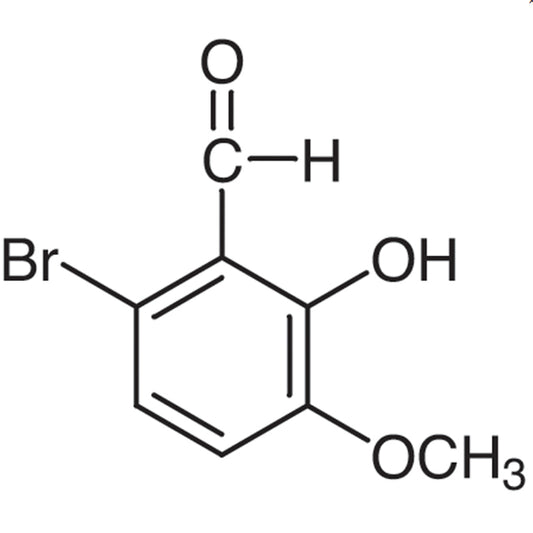
6-Bromo-2-hydroxy-3-methoxybenzaldehyde TCI B1487
Regular price From Rp 1.087.800,00Regular price
![223255-30-9 N,N'-[(Perfluoropropane-2,2-diyl)bis(6-hydroxy-3,1-phenylene)]bis(1,3-dioxo-1,3-dihydroisobenzofuran-5-carboxamide) - AMI Scientific](http://amiscientific.com/cdn/shop/files/TCI2510T4007.jpg?v=1767144592&width=533)