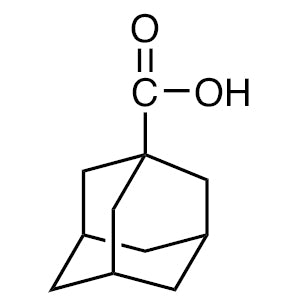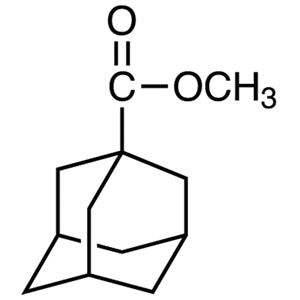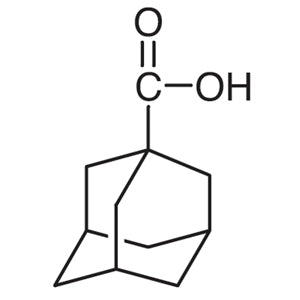
1-Adamantanecarboxylic Acid is a chemical compound widely used as a foundational building block in the synthesis of complex molecules. Its unique molecular structure, featuring the adamantane ring, provides exceptional stability and specific chemical properties that make it highly valuable in laboratory settings. This compound is essential for researchers aiming to construct molecules with precise structural requirements. Its role extends across various fields, including organic chemistry, pharmaceutical development, and materials science.
The compound's chemical properties, such as its controlled reactivity and non-spontaneous nature, make it a preferred choice for laboratory use. It exhibits good solubility in organic solvents like ethyl acetate and acetone, which simplifies purification and application processes. These characteristics ensure that it remains stable during storage and usage, reducing the risk of unwanted side reactions. Its predictable behavior under different experimental conditions further enhances its reliability in chemical synthesis.
In Indonesian laboratories, 1-Adamantanecarboxylic Acid is extensively used in research across multiple disciplines. It is commonly found in pharmaceutical laboratories where it contributes to the development of new drug compounds. Additionally, it is utilized in material science for creating advanced polymers and in organic chemistry for synthesizing complex organic structures. Its versatility and reliability have made it a sought-after reagent in both academic and industrial research environments.
Related TCI products
- TCI A3391 828-51-3 1-Adamantanecarboxylic Acid (purified by sublimation)
- TCI O0369 56674-87-4 4-Oxo-1-adamantanecarboxylic Acid
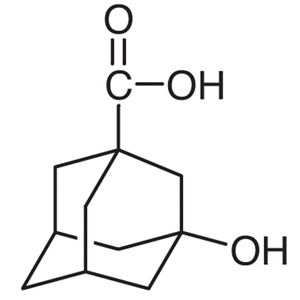
- TCI H1255 42711-75-1 3-Hydroxy-1-adamantanecarboxylic Acid
- TCI A0722 2094-73-7 Ethyl 1-Adamantanecarboxylate
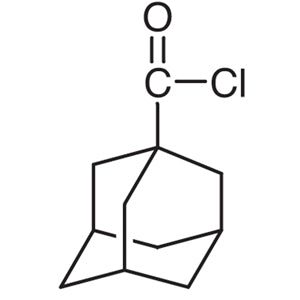
- TCI A0717 2094-72-6 1-Adamantanecarbonyl Chloride
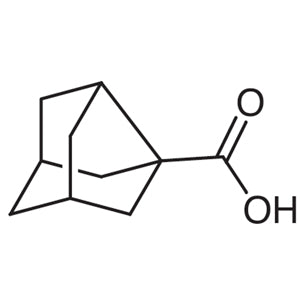
- TCI N0621 16200-53-6 3-Noradamantanecarboxylic Acid
- Organic synthesis applications benefit from its stable structure and predictable reactivity, allowing precise molecular construction.
- Pharmaceutical research utilizes it to develop new compounds with specific biological activities and structural features.
- Material science applications leverage its unique molecular framework for creating advanced polymers and nanomaterials.
- Analytical chemistry uses it as a standard reference for identifying and quantifying complex compounds in various samples.
- Environmental studies incorporate it to model and analyze the behavior of organic compounds in different chemical environments.
| Brand | TCI |
|---|---|
| CAS number | 828-51-3 |
| Molecular formula | — |
| Purity | — |
| Category | Chemistry > Building Blocks > Non-Heterocyclic Building Blocks |
| Pack sizes | Available in standard laboratory quantities as per supplier specifications |
| Physical form | Solid, crystalline appearance |
| Storage | Store in a cool, dry place away from direct light and moisture |
This compound should be stored in a cool, dry environment, away from direct sunlight and moisture. It is recommended to use airtight containers to prevent exposure to air and humidity, which could affect its stability. Due to its non-reactive nature, it does not require special handling under normal laboratory conditions. However, it is advisable to keep it in a well-ventilated area to ensure safe handling. Avoid contact with incompatible substances, and always follow standard laboratory safety protocols when working with chemical reagents. Proper storage ensures the compound remains effective and safe for use in various research applications.
—
Produk Terkait
-
1-AdamantanecarboxylicAcid(purifiedbysublimation) TCI A3391
Regular price From Rp 1.035.300,00Regular price -
4-Oxo-1-adamantanecarboxylicAcid TCI O0369
Regular price Rp 2.254.350,00Regular price -
3-Hydroxy-1-adamantanecarboxylicAcid TCI H1255
Regular price From Rp 1.193.850,00Regular price -
Ethyl1-Adamantanecarboxylate TCI A0722
Regular price From Rp 2.227.050,00Regular price -
1-AdamantanecarbonylChloride TCI A0717
Regular price From Rp 928.200,00Regular price -
3-NoradamantanecarboxylicAcid TCI N0621
Regular price Rp 2.491.650,00Regular price -
Methyl1-Adamantanecarboxylate TCI M2119
Regular price From Rp 2.677.500,00Regular price -
Adamantane-1,3-diamine TCI A3265
Regular price From Rp 3.419.850,00Regular price