3-Noradamantanecarboxylic Acid is a chemical compound widely used in laboratory settings for the synthesis of complex molecules. As a building block in organic chemistry, it serves as a versatile intermediate in the creation of heterocyclic and organic compounds. Its role in chemical reactions is crucial for the development of new materials and pharmaceuticals. This compound is commonly found in research laboratories, where it is utilized to build more complex molecular structures through various chemical transformations.
The stability of its molecular structure and controlled reactivity make it a preferred choice for synthetic chemists. These properties allow it to participate in substitution reactions and other essential chemical processes that are fundamental to organic research. Its chemical characteristics enable it to be a reliable component in the synthesis of compounds with specific functional groups. The availability of this compound in a solid form ensures ease of handling and use in laboratory procedures.
In Indonesian laboratories, 3-Noradamantanecarboxylic Acid is extensively used in organic chemistry research, particularly in pharmaceutical and material science applications. It is a foundational reagent for the synthesis of new compounds, contributing to the advancement of scientific innovation. Researchers in universities and research institutions rely on this compound for experimental work aimed at developing novel chemical structures and applications.
- Organic synthesis is a key application where this compound is used to construct complex molecular frameworks due to its structural versatility and reactivity.
- Pharmaceutical research benefits from its role in the development of new drug molecules, as it can be modified to introduce specific functional groups.
- Material science applications leverage its chemical properties to create advanced polymers and functional materials with tailored characteristics.
- Academic research in chemistry utilizes it as a fundamental building block for teaching and experimental studies in synthetic methodologies.
- Industrial chemical processes incorporate it as a precursor in the production of specialty chemicals and fine chemicals for various commercial uses.
| Brand | TCI |
|---|---|
| CAS number | 16200-53-6 |
| Molecular formula | — |
| Purity | — |
| Category | Chemistry > Building Blocks > Non-Heterocyclic Building Blocks |
| Pack sizes | Available in standard laboratory quantities |
| Physical form | Solid |
| Storage | Store in a cool, dry place away from moisture and direct sunlight |
This compound should be stored in a cool, dry environment to maintain its chemical stability and prevent degradation. It is recommended to keep it in a sealed container to avoid exposure to moisture and air, which could affect its purity. Proper ventilation is essential when handling the material to minimize inhalation risks. It should be stored away from incompatible substances such as strong oxidizers or acids. Laboratory personnel should wear appropriate personal protective equipment, including gloves and safety goggles, when handling this compound. Regular monitoring of storage conditions ensures the compound remains suitable for use in chemical synthesis and research applications.
—
Produk Terkait
-
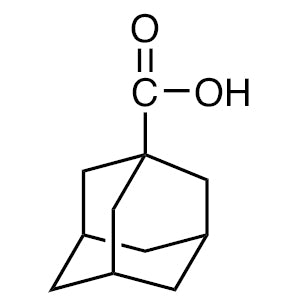
1-AdamantanecarboxylicAcid(purifiedbysublimation) TCI A3391
Regular price From Rp 1.035.300,00Regular price -
1-AdamantanecarboxylicAcid TCI A0742
Regular price From Rp 1.378.650,00Regular price -
Ethyl1-Adamantanecarboxylate TCI A0722
Regular price From Rp 2.227.050,00Regular price -
4-Oxo-1-adamantanecarboxylicAcid TCI O0369
Regular price Rp 2.254.350,00Regular price -
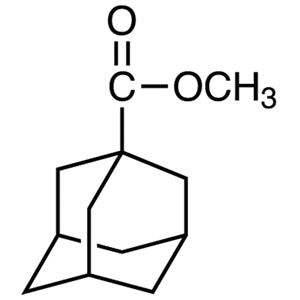
Methyl1-Adamantanecarboxylate TCI M2119
Regular price From Rp 2.677.500,00Regular price -
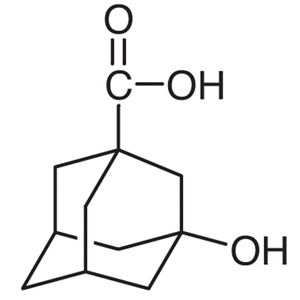
3-Hydroxy-1-adamantanecarboxylicAcid TCI H1255
Regular price From Rp 1.193.850,00Regular price -
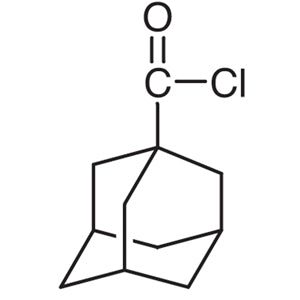
1-AdamantanecarbonylChloride TCI A0717
Regular price From Rp 928.200,00Regular price -
Adamantane-1,3-diamine TCI A3265
Regular price From Rp 3.419.850,00Regular price