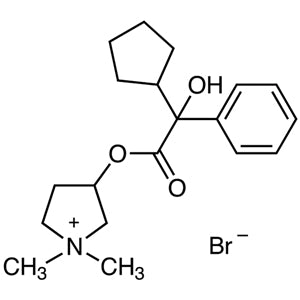
Atropine, with CAS number 51-55-8, is a widely used alkaloid in life science laboratories. It is a key compound in biochemical and pharmacological research due to its ability to block acetylcholine receptors. This compound plays a crucial role in studying the effects of neurotransmitters on the parasympathetic nervous system. Its anticholinesterase activity makes it an essential tool for evaluating physiological responses to neural stimulation. Atropine is commonly found in experiments related to the nervous system, drug effects, and pharmacological mechanisms. Its presence in various research fields highlights its versatility and importance in scientific studies.
Atropine is preferred for its selective muscarinic receptor blockade and chemical stability. It is available in powder or liquid form, depending on packaging, and remains chemically stable under appropriate storage conditions. Its non-colored appearance and consistent physical form make it reliable for use in controlled laboratory environments. The compound's ability to inhibit muscarinic receptors without affecting other receptor types allows for targeted experimental applications. These properties ensure that atropine remains a trusted reagent in both academic and research settings.
In Indonesian laboratories, atropine is commonly used in educational institutions and research facilities. It is integral to studies involving the nervous system, cardiac effects, and gastrointestinal responses. Its role in pharmacological research and physiological studies makes it a staple in many laboratories across Indonesia. The compound's reliability and effectiveness contribute to its widespread use in both teaching and experimental research.
Advantages (TCI brochure)
- Tropane alkaloid first extracted from the root of belladonna (Atropa belladonna) in the 1830s
- Competitive antagonist of muscarine-like actions of acetylcholine
- Classified as an antimuscarinic agent
TCI brochures (PDF)
- Neurotransmission Research Reagents 2026-07-17 · p. 1
- Traditional Medicine/Crude Medicine Research Reagents 2024-09-11 · p. 1
- Alkaloids 2025-10-10 · p. 3
- Plant Research Reagents 2026-02-24 · p. 8
- Phytochemicals 2025-12-17 · p. 2
- Pharmaceutical Ingredients for Research and Experimental Use 2026-03-09 · p. 24
- Atropine is used in pharmacological research to study the effects of drugs on the nervous system due to its ability to block muscarinic receptors.
- It is applied in cardiovascular studies to evaluate the impact of anticholinergic agents on heart rate and blood pressure.
- Atropine is essential in gastrointestinal research for analyzing the effects of parasympathetic inhibition on digestion.
- It is used in neuropharmacology to investigate the mechanisms of neurotransmitter action and receptor interactions.
- The compound is employed in toxicology studies to assess the safety and efficacy of various compounds in biological systems.
| Brand | TCI |
|---|---|
| CAS number | 51-55-8 |
| Molecular formula | — |
| Purity | — |
| Category | Life Science > Biochemicals and Reagents > Alkaloids |
| Pack sizes | Available in various quantities as per supplier specifications |
| Physical form | Powder or liquid, depending on packaging |
| Storage | Store in a cool, dry place away from light and moisture |
Atropine should be stored in a cool, dry place, away from direct light and moisture to maintain its chemical stability. It is recommended to use airtight containers to prevent contamination and degradation. Due to its potency, proper handling is essential to avoid exposure. Laboratory personnel should wear appropriate personal protective equipment when handling the compound. Regular monitoring of storage conditions ensures the integrity of the product. Atropine is not flammable, but it should be kept out of reach of children and not mixed with incompatible substances. Proper labeling and storage practices are crucial for safe and effective use in laboratory settings.
—
Product Categories
- Biochemicals and ReagentsAlkaloidsTropane Alkaloids
- Biochemicals and ReagentsCrude Medicine Ingredients for Research and Experimental Use
- Biochemicals and ReagentsPharmaceutical Research Reagents (for Experimental Use)Neurotransmitter Agent Ingredients (for Research and Experimental Use)
- Biochemicals and Reagents
- Cell BiologyCell Signaling and NeuroscienceNeuroscience
- Cell BiologyNutrition ResearchPhytochemicals
- Pharmaceutical Development and Drug Discovery ResearchPharmaceutical Research Reagents (for Experimental Use)Neurotransmitter Agent Ingredients (for Research and Experimental Use)
- Pharmaceutical Development and Drug Discovery ResearchCrude Medicine Ingredients for Research and Experimental Use
Produk Terkait
-
AtropineSulfateMonohydrate TCI A0550
Regular price From Rp 1.908.900,00Regular priceRp 1.350.300,00Sale price From Rp 1.908.900,00 -
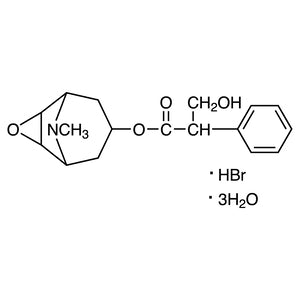
ScopolamineHydrobromideTrihydrate TCI S0021
Regular price From Rp 2.730.000,00Regular priceRp 1.924.650,00Sale price From Rp 2.730.000,00 -
ScopolamineMethylBromide TCI S0231
Regular price Rp 3.048.150,00Regular priceRp 2.147.250,00Sale price Rp 3.048.150,00 -
Reserpine TCI R0007
Regular price Rp 1.988.700,00Regular priceRp 1.405.950,00Sale price Rp 1.988.700,00 -
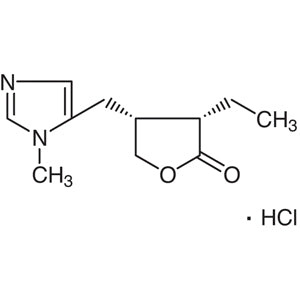
PilocarpineHydrochloride TCI P0434
Regular price From Rp 1.351.350,00Regular priceRp 960.750,00Sale price From Rp 1.351.350,00 -
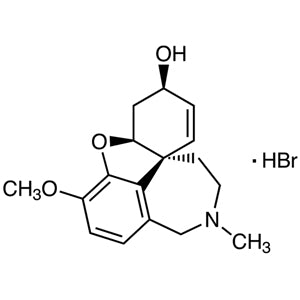
GalantamineHydrobromide TCI G0293
Regular price From Rp 3.445.050,00Regular priceRp 2.424.450,00Sale price From Rp 3.445.050,00 -
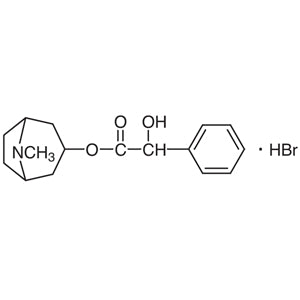
HomatropineHydrobromide TCI H0155
Regular price Rp 1.298.850,00Regular priceRp 924.000,00Sale price Rp 1.298.850,00 -
Glycopyrrolate TCI G0392
Regular price Rp 5.592.300,00Regular priceRp 3.925.950,00Sale price Rp 5.592.300,00